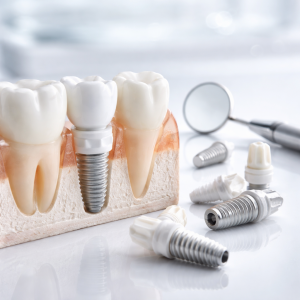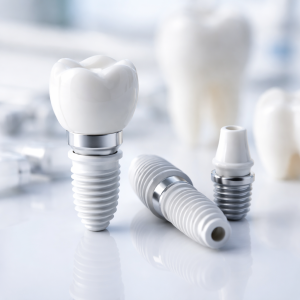
Zirconia dental implants offer a metal-free, aesthetically superior, and highly biocompatible solution for tooth replacement, though their clinical application requires careful consideration of structural design. Missing teeth are more than just a cosmetic concern; they often lead to bone loss and shifting dental alignment. If you leave these gaps untreated, your oral health degrades, potentially causing speech issues and a sunken facial appearance. Fortunately, zirconia implants provide a high-performance ceramic alternative that addresses these issues while maintaining a natural, tooth-colored look.
Why choose zirconia implants for tooth restoration?
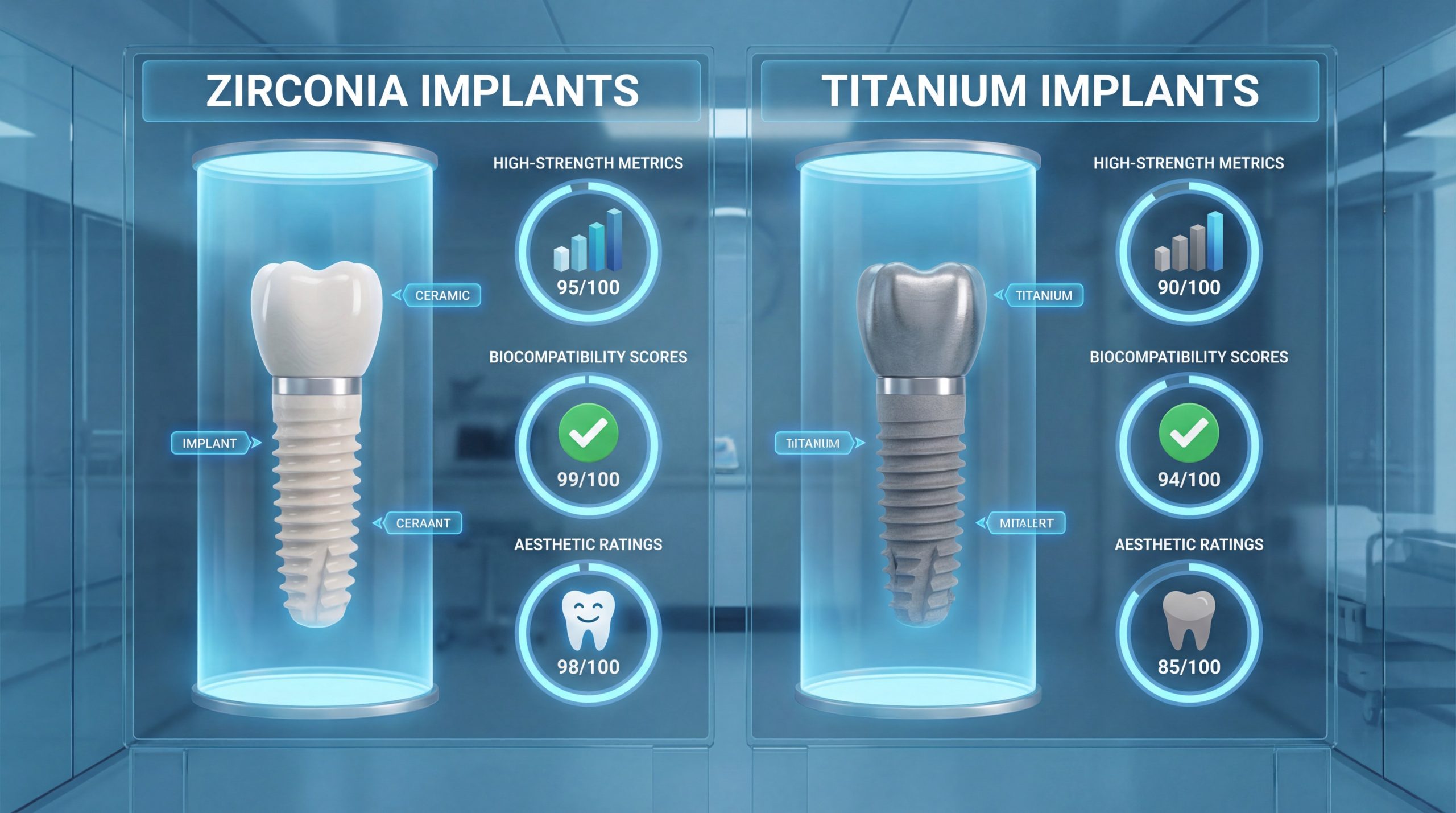
You should choose zirconia implants because they provide an unmatched combination of biological safety and visual appeal. These ceramic posts are designed to mimic the natural root of your tooth, ensuring that no dark metal shadows show through your gums.
Superior aesthetic integration
Think about it:
- The naturally white material blends seamlessly with your existing teeth.
- You avoid the “gray line” effect common with metallic alternatives.
- It supports a more vibrant, youthful smile in the aesthetic zone.
Hypoallergenic properties
- Ceramic is an ideal choice if you have sensitivities to various metals.
- It eliminates the risk of galvanic currents in your mouth.
Key Takeaway: Ceramic restorations offer a lifelike appearance that metal simply cannot replicate.
| Feature | Zirconia Benefit | |
|---|---|---|
| Color | Opaque white, tooth-like | |
| Allergy Risk | Virtually zero | |
| Visual Result | High-end natural look |
Analysis Guide: Evaluate your patient’s gingival thickness to determine if a white ceramic post is necessary to prevent metal visibility.
Are zirconia implants better than titanium for aesthetics?
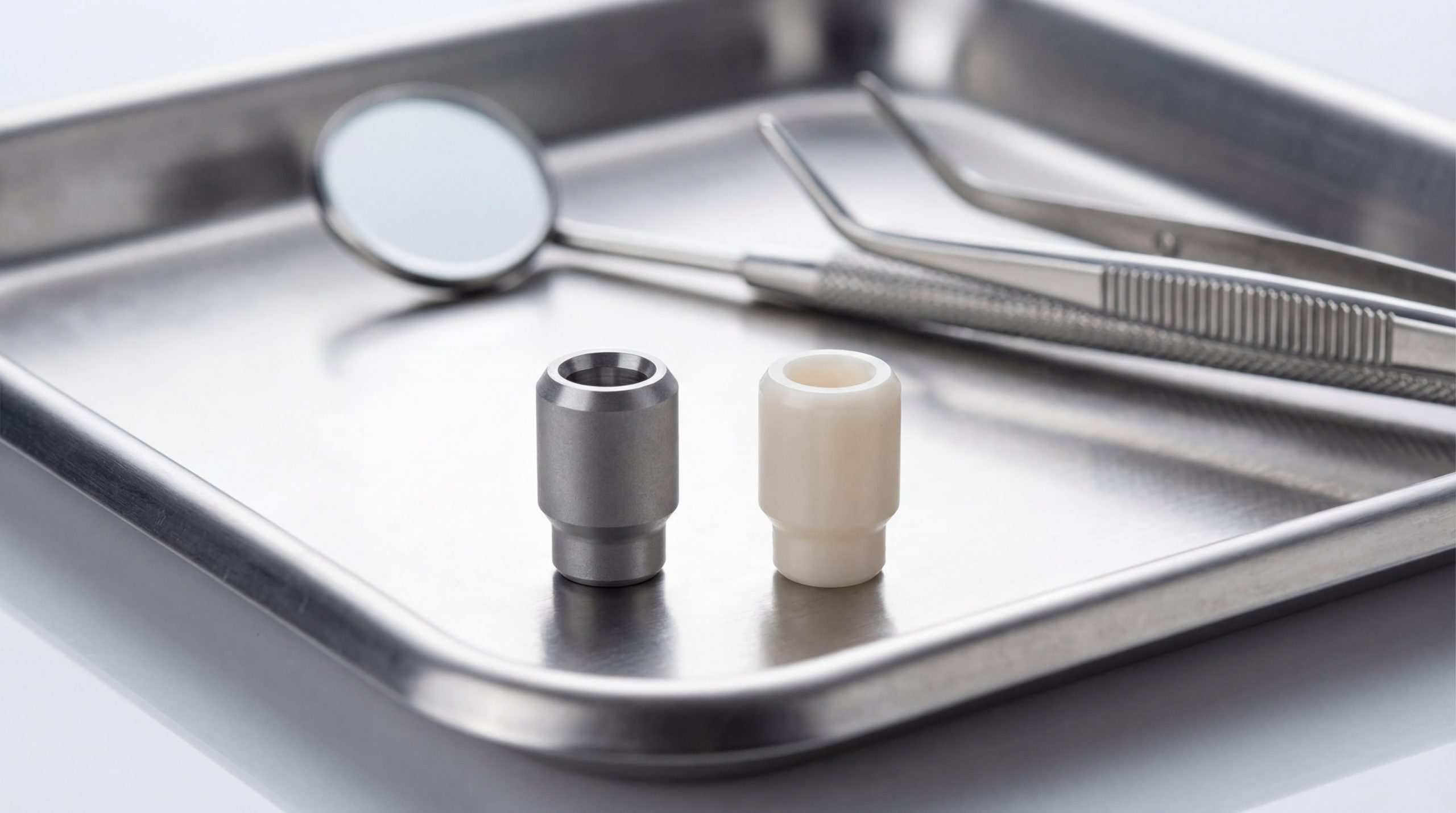
Yes, zirconia implants are generally considered superior for aesthetics because they are tooth-colored and do not corrode. This makes them the primary choice for patients with thin gum tissue where a metal post might be visible.
Eliminating the gray shadow
But wait, there’s more:
- Traditional metal can create a dark tint at the gumline over time.
- Ceramic remains white even if minor gum recession occurs.
- The light-reflecting properties of ceramic match natural enamel.
Soft tissue affinity
- Your gums tend to attach more readily to ceramic surfaces.
- This creates a tighter “seal” that looks healthy and pink.
Key Takeaway: For a smile that looks completely natural, ceramic is the gold standard in modern dentistry.
| Aesthetic Factor | Zirconia Performance | |
|---|---|---|
| Gingival Tint | Always remains natural | |
| Recession Impact | Minimal visual change | |
| Translucency | Mimics natural tooth roots |
Analysis Guide: Compare the light transmission of ceramic versus metal to show patients how the restoration will look in natural lighting.
How do zirconia implants improve gum health?
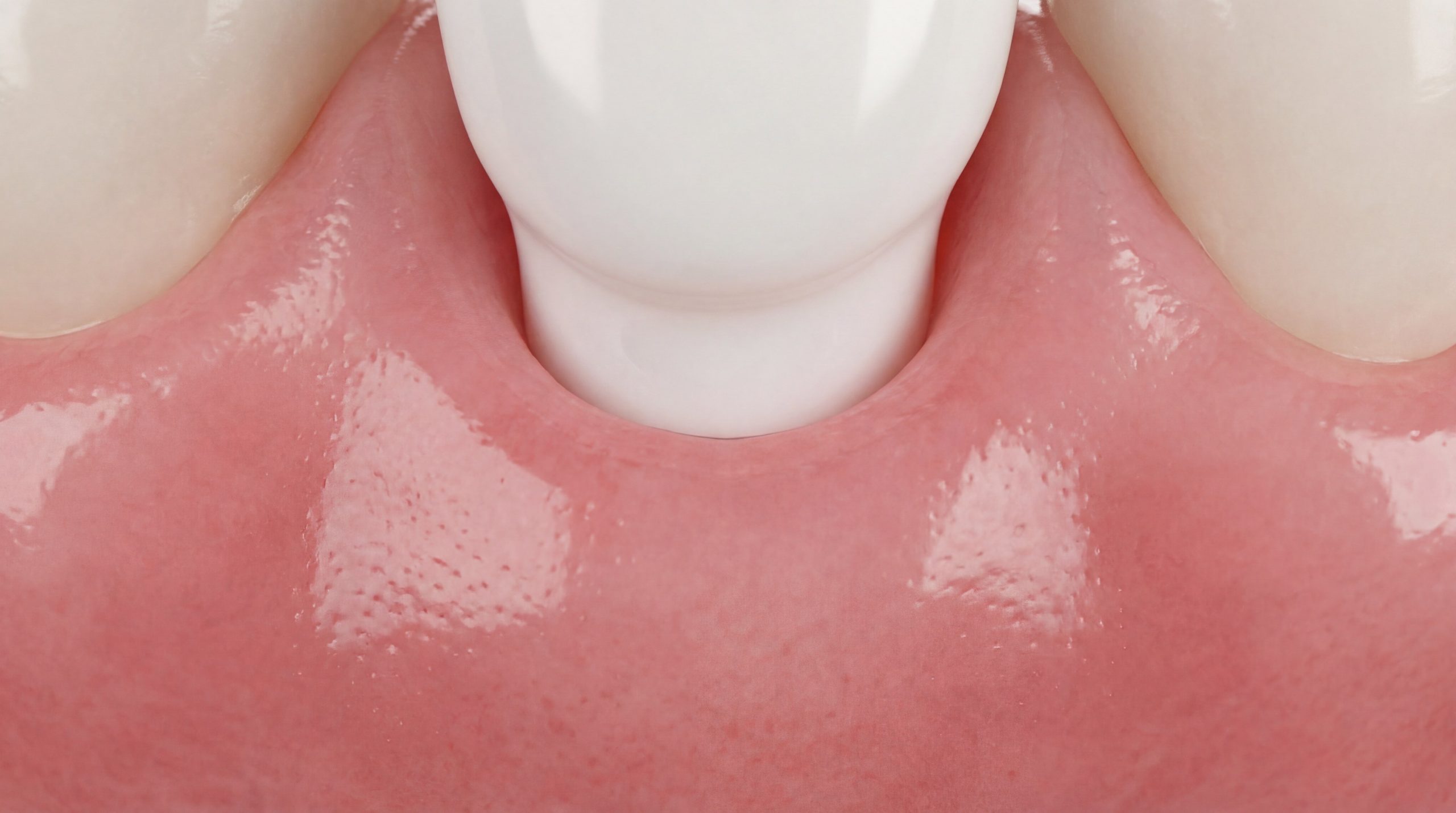
Gum health improves with zirconia implants because the material is highly biocompatible and encourages soft tissue attachment. Because it is non-conductive, it does not attract the same inflammatory response that some metals can trigger.
Enhanced gingival attachment
Here is the kicker:
- The ceramic surface allows for a strong hemidesmosomal attachment.
- You will notice less inflammation around the implant site.
- A healthy “biological width” is more easily maintained.
Reduced thermal sensitivity
- Ceramic does not conduct heat or cold like metal does.
- This leads to a more comfortable experience when eating hot or cold foods.
Key Takeaway: Better tissue integration leads to a more stable and infection-resistant restoration.
| Health Metric | Ceramic Impact | |
|---|---|---|
| Inflammation | Significantly lower | |
| Tissue Bond | Excellent attachment | |
| Sensitivity | Low thermal conductivity |
Analysis Guide: Monitor the gingival sulcus depth during follow-ups to verify the stability of the soft tissue seal.
Can zirconia implants resist plaque and bacteria?
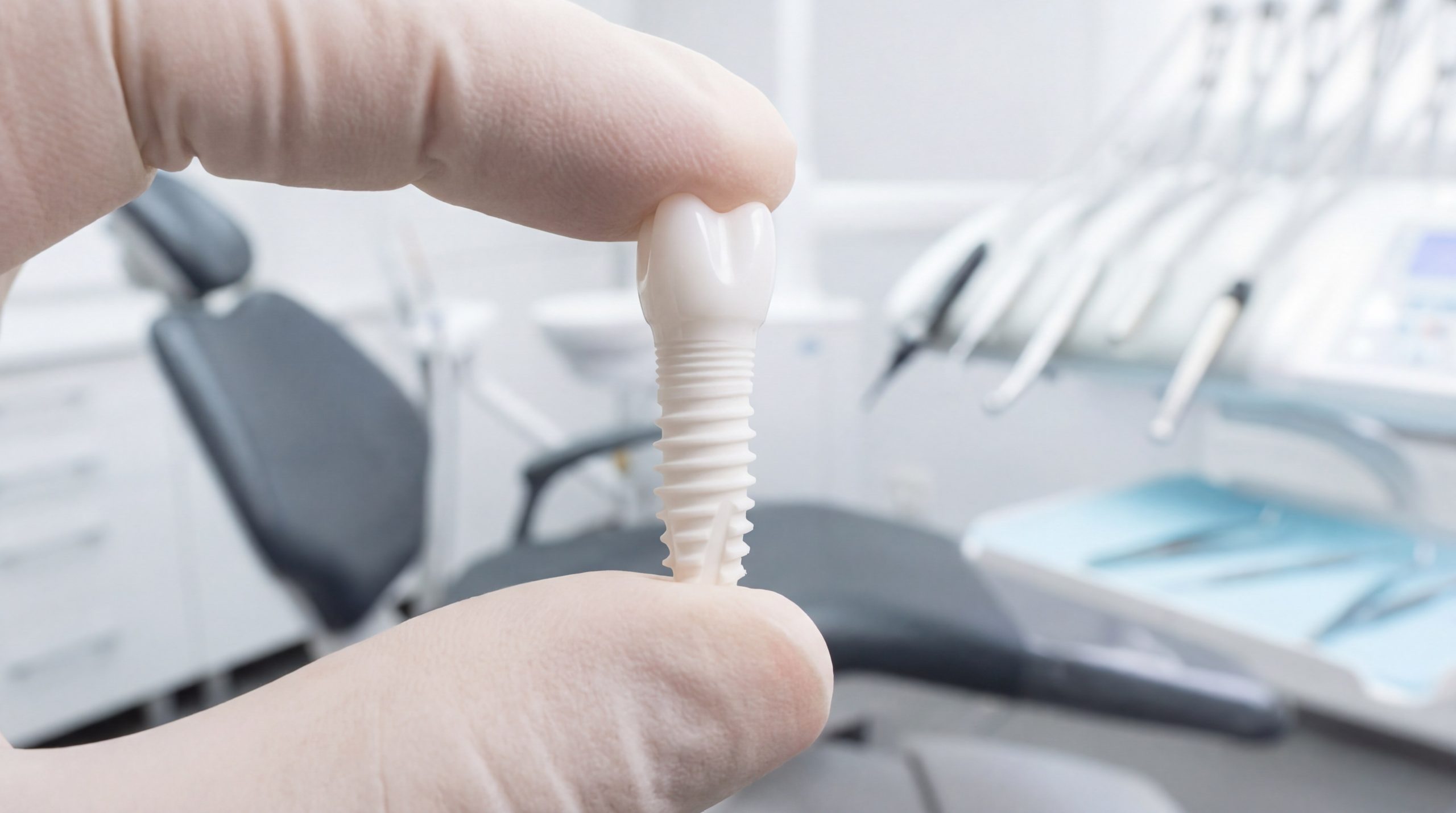
Lower bacterial adhesion is a hallmark of zirconia implants , making them highly resistant to plaque buildup. This smooth, non-porous surface helps prevent the onset of peri-implantitis, a leading cause of implant failure.
Low plaque accumulation
Consider this:
- Biofilm finds it difficult to stick to the polished ceramic surface.
- You can maintain hygiene with standard brushing and flossing.
- Reduced plaque leads to healthier surrounding bone and tissue.
Resistance to infection
- Lower bacterial counts mean a lower risk of chronic inflammation.
- The material does not corrode, which further protects the site.
Key Takeaway: A cleaner implant surface directly translates to a lower risk of long-term complications.
| Hygiene Factor | Ceramic Benefit | |
|---|---|---|
| Plaque Affinity | Very low | |
| Bacterial Growth | Inhibited by surface smoothness | |
| Cleaning Ease | Highly manageable |
Analysis Guide: Review patient hygiene habits to ensure they leverage the low-plaque properties of the ceramic post.
Do zirconia implants integrate well with the bone?
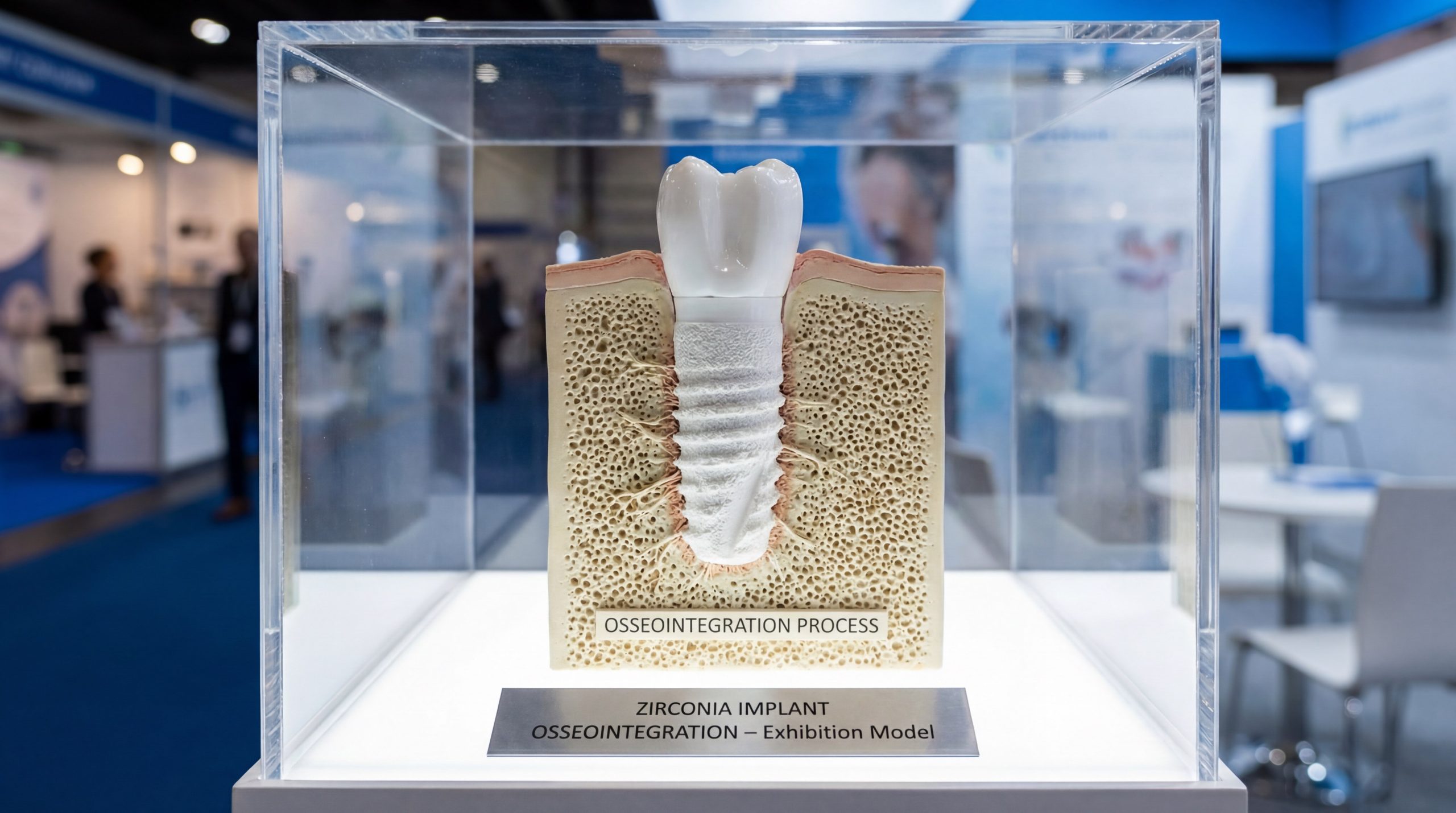
Clinical evidence shows that zirconia implants integrate with the jawbone at rates comparable to traditional titanium. The process, known as osseointegration, ensures that your new tooth is firmly anchored and can function like a natural one.
Successful bone bonding
That is not all:
- Bone cells (osteoblasts) grow directly onto the ceramic surface.
- The surface is often roughened to increase the contact area.
- Stability is achieved within a similar timeframe as metal implants.
Long-term stability
- Once integrated, the implant resists shifting under pressure.
- It provides the necessary stimulation to prevent jawbone atrophy.
Key Takeaway: You can trust ceramic to provide a stable, permanent foundation for your dental restoration.
| Integration Metric | Performance Level | |
|---|---|---|
| Bone Contact | High (comparable to metal) | |
| Stability | Excellent once healed | |
| Healing Time | Standard (3-6 months) |
Analysis Guide: Use radiographic imaging to confirm the density of the bone-to-implant interface during the healing phase.
What are the main cons of zirconia implants?
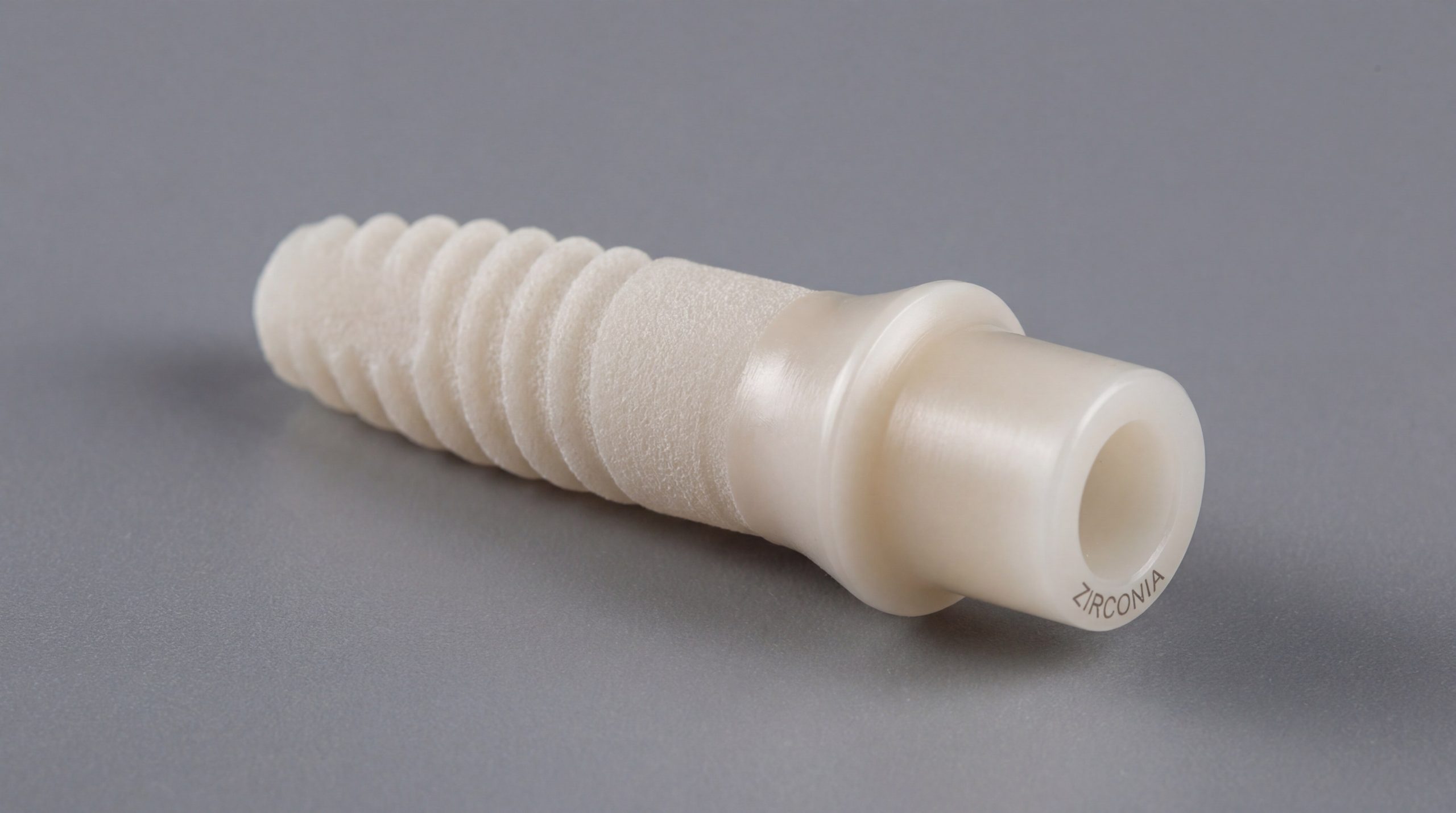
The main cons of zirconia implants involve their relative brittleness compared to metal and the current limitations in one-piece designs. While incredibly strong, ceramic lacks the ductility of titanium, making it more susceptible to fractures if not handled correctly.
Design and versatility issues
But wait, there’s more:
- Many options are one-piece, meaning the angle cannot be adjusted.
- This requires high precision during the initial surgical placement.
- You may have fewer prosthetic options for complex full-mouth cases.
Material aging concerns
- Ceramic can undergo “low-temperature degradation” over many years.
- Mechanical adjustments with a drill can cause microscopic cracks.
Key Takeaway: Proper case selection and expert placement are critical to overcoming the structural risks of ceramic.
| Drawback | Clinical Impact | |
|---|---|---|
| Brittleness | Potential for fracture under extreme stress | |
| Versatility | Limited abutment angles | |
| Adjustability | Difficult to modify after placement |
Analysis Guide: Assess the patient’s bite alignment carefully to ensure no excessive lateral forces will stress the ceramic post.
How are zirconia implants manufactured for precision?
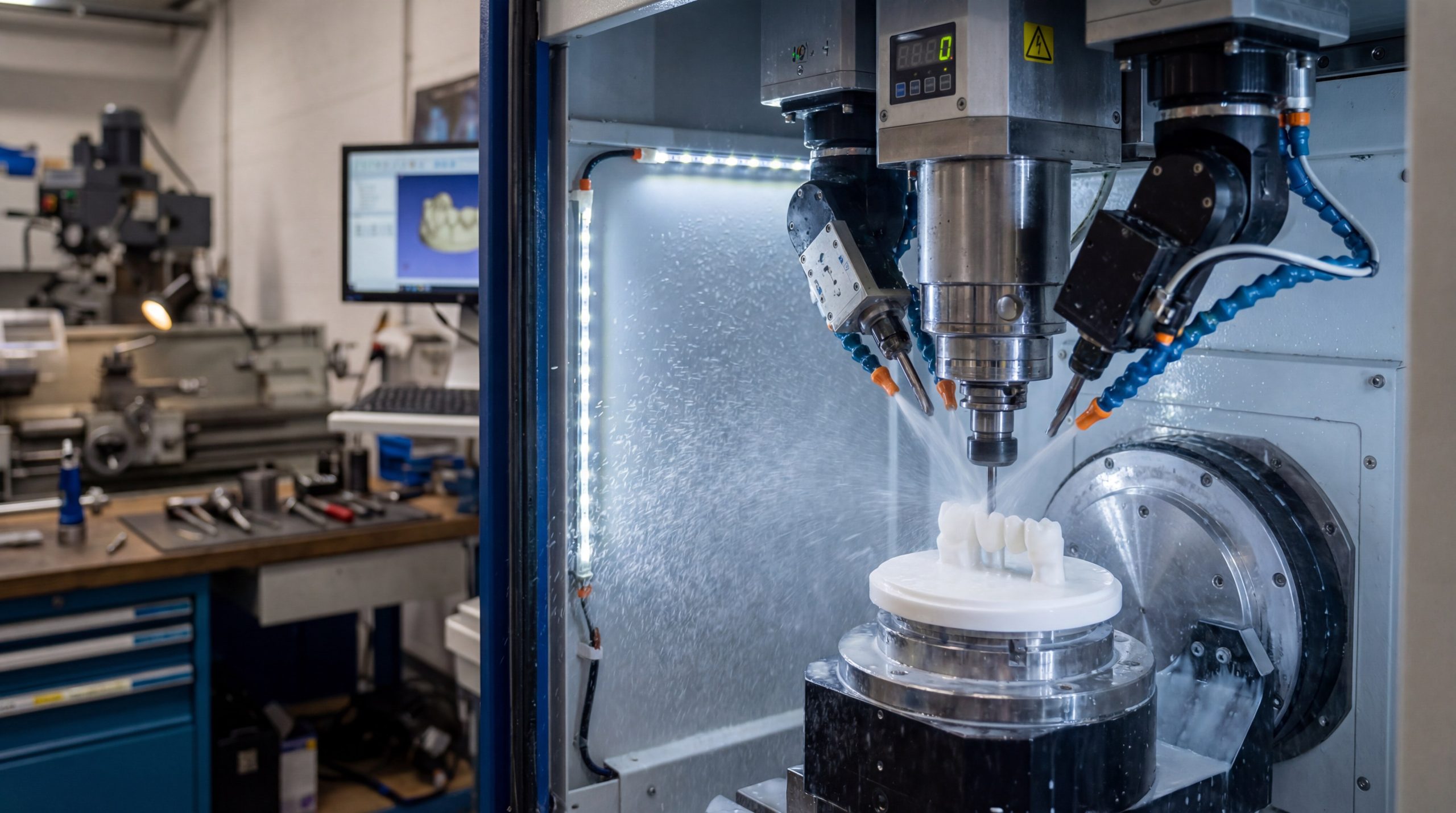
Modern zirconia implants are manufactured using advanced CAD/CAM technology and high-heat sintering to ensure maximum density. This digital workflow allows for extremely tight tolerances and customized shapes that fit your anatomy perfectly.
Advanced milling processes
You might wonder:
- Computers design the implant to withstand specific stress points.
- The raw ceramic is milled in a “green” state for better accuracy.
- Final sintering at high temperatures gives the material its strength.
Quality control standards
- Every unit is inspected for internal voids or micro-cracks.
- Advanced surface treatments are applied to boost bone growth.
Key Takeaway: High-tech manufacturing has significantly reduced the failure rates associated with early ceramic designs.
| Production Step | Importance | |
|---|---|---|
| CAD Design | Ensures anatomical fit | |
| Sintering | Reaches maximum material hardness | |
| Inspection | Eliminates defective units |
Analysis Guide: Verify the manufacturer’s quality certifications to ensure the ceramic was processed using high-pressure sintering.
Can zirconia implants handle heavy molar bite force?
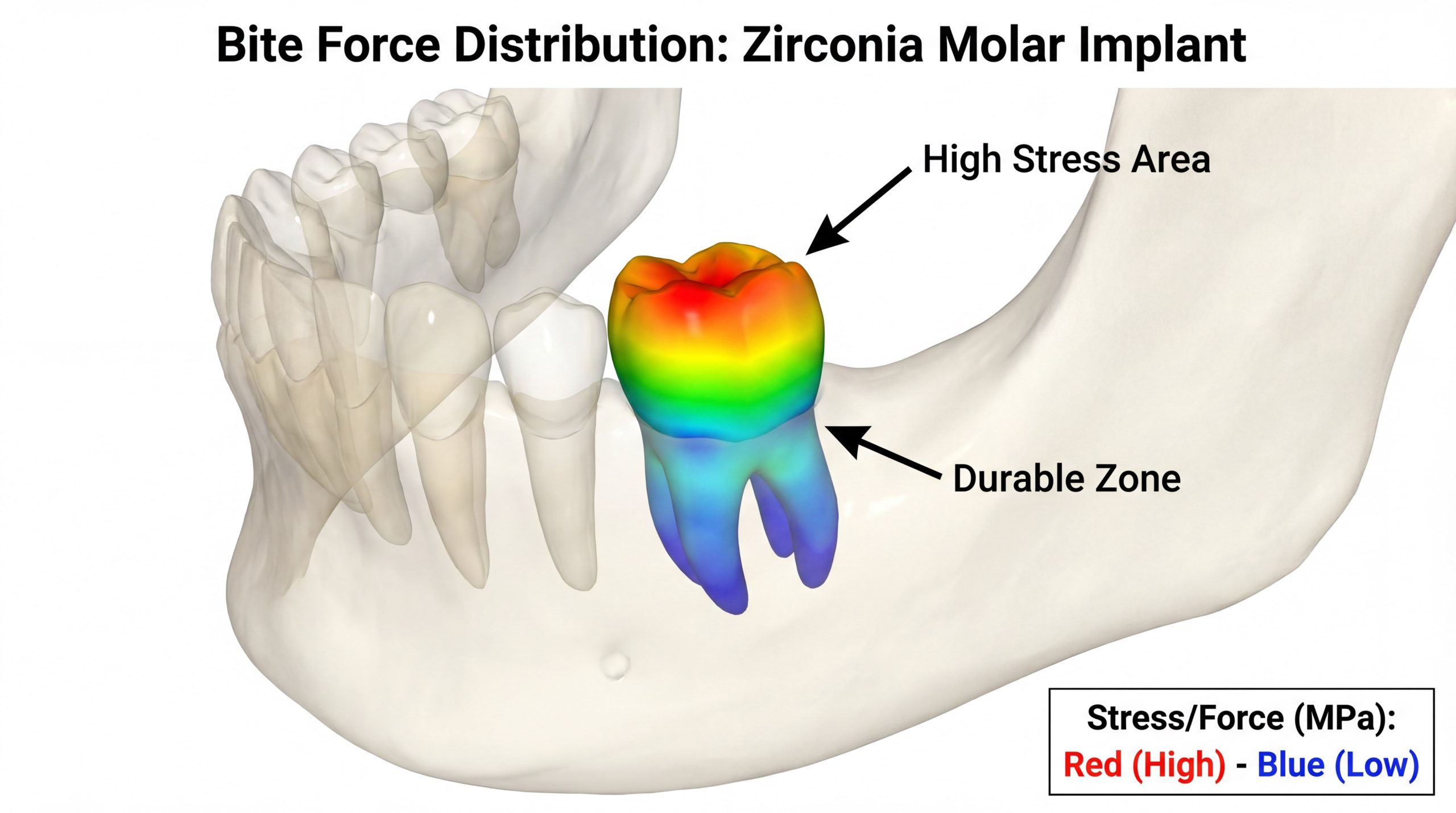
Recent studies confirm that zirconia implants can handle heavy bite forces when placed in the molar regions by a skilled professional. Their high compressive strength allows them to endure the daily pressures of chewing and grinding without deforming.
Managing occlusal stress
Think about it:
- The material is stiffer than titanium, which can be an advantage.
- Wider diameter implants are used in the back of the mouth.
- Proper alignment ensures that forces are distributed vertically.
Long-term durability
- Ceramic resists wear and tear over decades of use.
- It does not flex, which helps keep the attached crown stable.
Key Takeaway: As long as the bite is properly balanced, ceramic is a rugged choice for any tooth in the mouth.
| Application Area | Stress Tolerance | |
|---|---|---|
| Anterior (Front) | High (Best for aesthetics) | |
| Posterior (Back) | High (Requires wider diameter) | |
| Chewing Force | Excellent vertical resistance |
Analysis Guide: Perform a comprehensive bite force analysis to prevent eccentric loading that could damage the ceramic.
Are zirconia implants suitable for metal allergies?

Ceramic options are the primary solution for patients with metal allergies who still require permanent tooth replacement. Because they are 100% metal-free, they provide peace of mind for those with systemic sensitivities or autoimmune concerns.
Solving titanium sensitivity
Here is the deal:
- A small percentage of the population is sensitive to titanium alloys.
- Ceramic does not release ions that can trigger an immune response.
- You get a truly bio-inert solution for your dental health.
Holistic health benefits
- Ceramic aligns with a more natural or biological approach to dentistry.
- It avoids the risk of corrosion byproducts in the bloodstream.
Key Takeaway: For sensitive patients, ceramic isn’t just a choice—it’s a necessary health precaution.
| Patient Type | Recommended Material | |
|---|---|---|
| Standard Patient | Titanium or Zirconia | |
| Known Metal Allergy | Zirconia | |
| Holistic Preference | Zirconia |
Analysis Guide: Conduct an allergy screening or MELISA test if the patient has a history of reacting to jewelry or other metals.
What is the future of zirconia implants in dentistry?
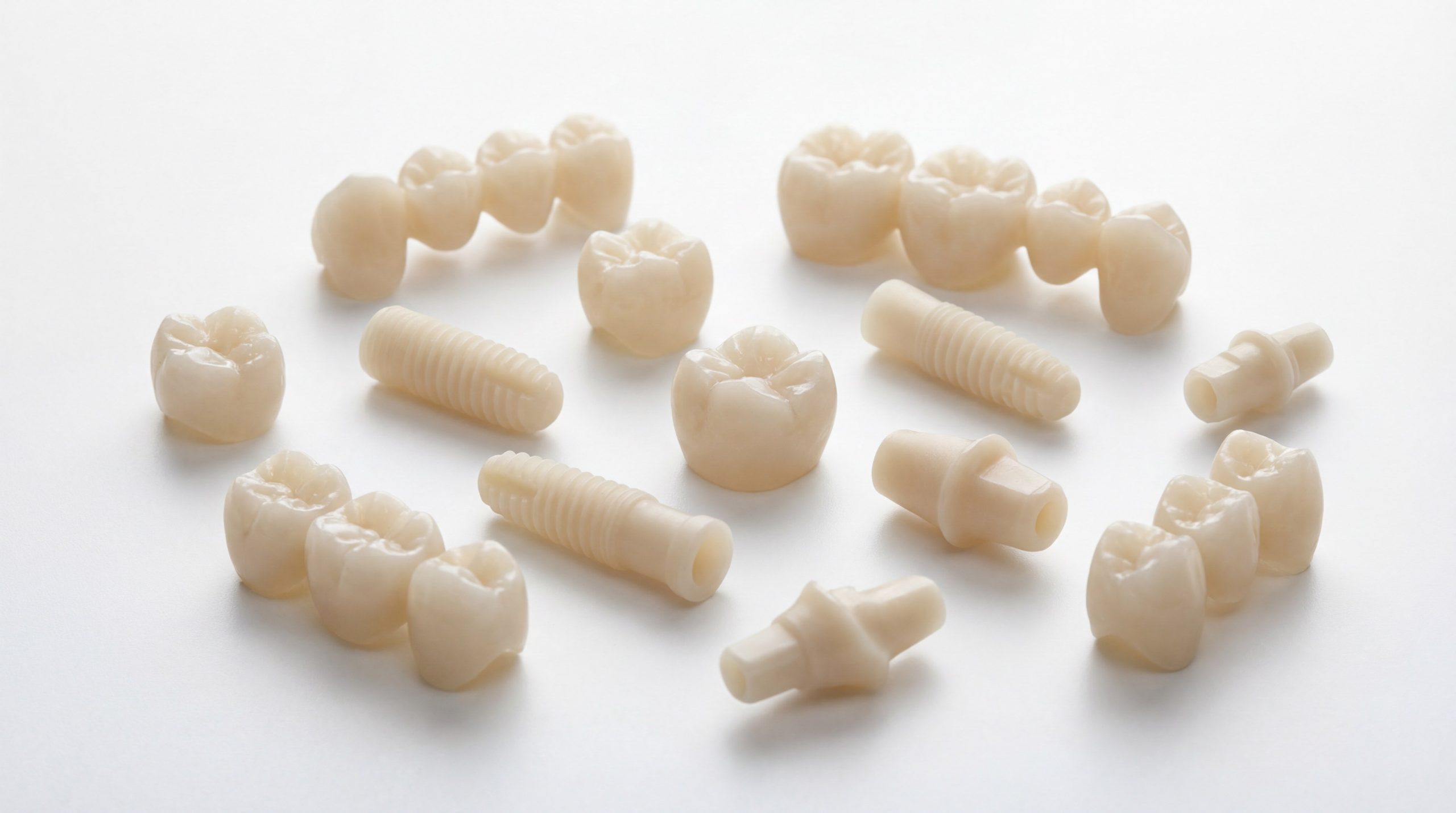
The future of zirconia implants looks bright as the industry moves toward two-piece designs and 3D-printed ceramic structures. As more long-term data becomes available, ceramic is poised to become a mainstream alternative to metal in all dental practices.
Evolution of two-piece designs
The truth is:
- Newer designs allow for better prosthetic flexibility.
- You can now choose different abutment shapes for a custom fit.
- This makes the surgical process much easier for the dentist.
Rising patient demand
- More people are asking for “white” or “metal-free” options.
- Advancements in 3D printing will likely lower the cost over time.
Key Takeaway: Technological innovation is rapidly closing the gap between ceramic versatility and metal reliability.
| Future Trend | Expected Impact | |
|---|---|---|
| 3D Printing | Lower costs and custom shapes | |
| Two-Piece Units | Easier surgical placement | |
| Global Adoption | More clinical data and trust |
Analysis Guide: Keep updated on the latest clinical trials regarding two-piece ceramic systems to offer your patients the most modern solutions.
Conclusion
Zirconia dental implants represent the pinnacle of aesthetic and biological tooth replacement. By combining extreme durability with a metal-free composition, they provide a future-proof solution for anyone seeking a healthy, beautiful smile. Our vision is to lead the industry in providing high-purity ceramic components that define the next generation of dental care. To explore our full range of advanced ceramic solutions or to find a provider near you, contact us today .
FAQ
1. Can I get zirconia implants if I have bone loss?Yes, but you may need a bone graft first. Ceramic implants require a stable foundation of healthy bone to achieve successful osseointegration.
2. What is the best way to clean my new ceramic implant?The best way is to use a soft-bristled brush and non-abrasive toothpaste. Regular hygiene prevents any minor buildup from affecting the surrounding gum tissue.
3. Can I replace my old titanium implants with zirconia?Yes, you can replace them if the old ones have failed or if you’ve developed a metal sensitivity. Your dentist will need to remove the existing post and ensure the site has healed before placing ceramic.
4. Are zirconia implants more expensive?Usually, they are more expensive than titanium. This is due to the higher material costs and the specialized manufacturing processes required to produce high-strength ceramics.
5. How long do these ceramic implants typically last?They are designed to last a lifetime with proper care. While they are newer than metal, current data shows they are highly durable and resistant to the oral environment.