You bite down on a piece of ice or a hard candy, and suddenly, you feel a sharp crack in your molar. The pain is instant, and you know something is wrong.
A visit to the dentist confirms your fears: you need a crown. But with so many options—gold, porcelain, resin—the choice feels overwhelming, and you worry about choosing a material that looks fake or breaks easily.
This comprehensive guide details why dentists increasingly recommend the Zirconia Crown as the premier solution. It combines the strength of metal with the natural beauty of porcelain to restore your smile effectively.
What Is a Zirconia Crown Made Of?
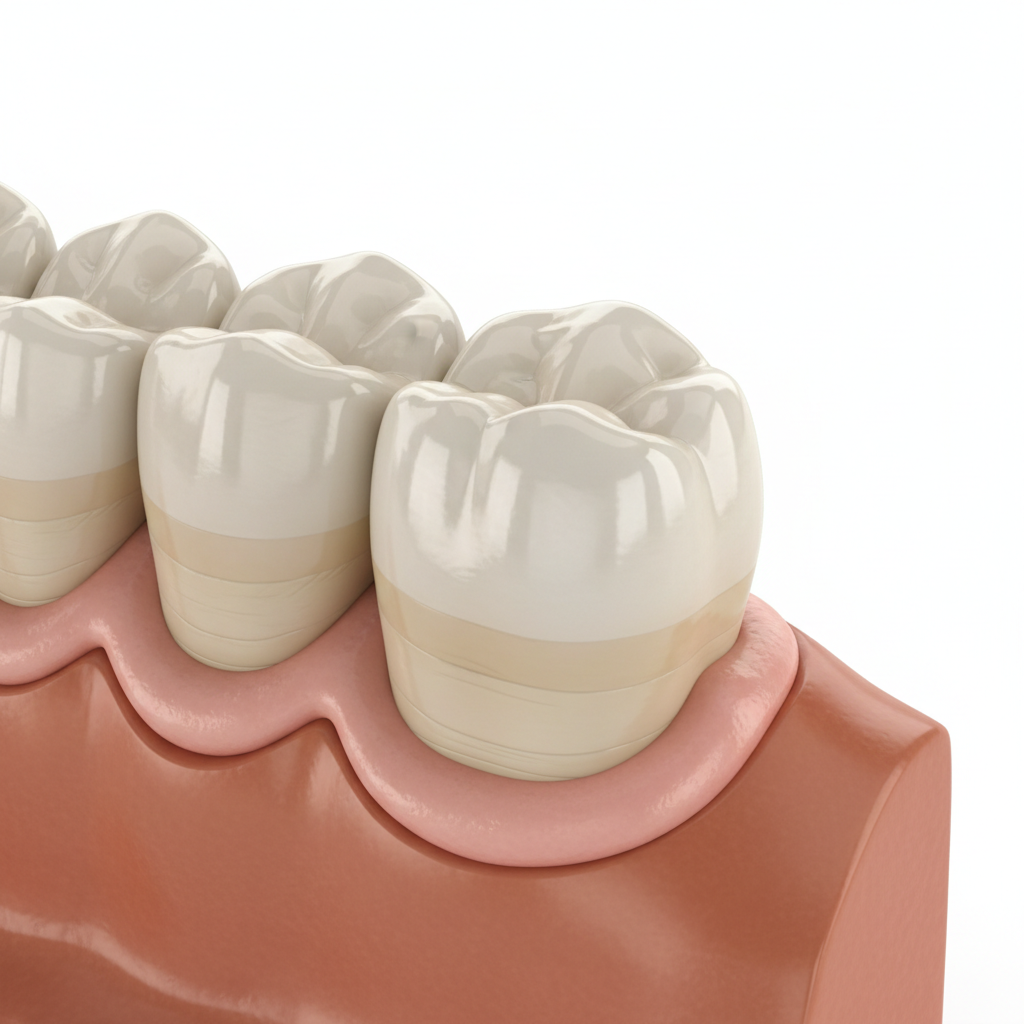
A Zirconia Crown is a dental restoration crafted from zirconium dioxide, a robust ceramic material known for its toughness and resistance to wear. Here is the breakdown: this white crystalline oxide acts like “ceramic steel,” offering a metal-free structure that is biologically inert. It is compatible with the human body and minimizes the risk of allergic reactions common with metal alloys.
Monolithic vs. Layered Types
Zirconia crowns come in two primary forms: monolithic and layered. Monolithic crowns are milled from a single block of medical-grade zirconia materials , making them incredibly strong and virtually unbreakable. Layered crowns feature a zirconia core with a porcelain overlay, providing enhanced translucency that closely mimics natural enamel for front teeth.
Material Science
The crystalline structure of zirconium dioxide stops cracks from propagating, a feature known as transformation toughening. This unique property allows the material to withstand high biting forces without fracturing.
Key Takeaway: Material Composition
Key Takeaway: Zirconia offers a unique combination of extreme durability and biological safety.
| Property | Description | Benefit | |
|---|---|---|---|
| Composition | Zirconium Dioxide (ZrO2) | Biocompatible and metal-free. | |
| Structure | Crystalline lattice | Resists crack propagation. | |
| Type | Monolithic or Layered | Versatile for anterior or posterior use. | |
| Esthetics | White, opaque to translucent | Mimics natural tooth shade. |
Analysis: This table highlights why zirconium dioxide is superior to traditional ceramics for load-bearing dental restorations, balancing structural integrity with aesthetic versatility.
Why Choose a Zirconia Crown?
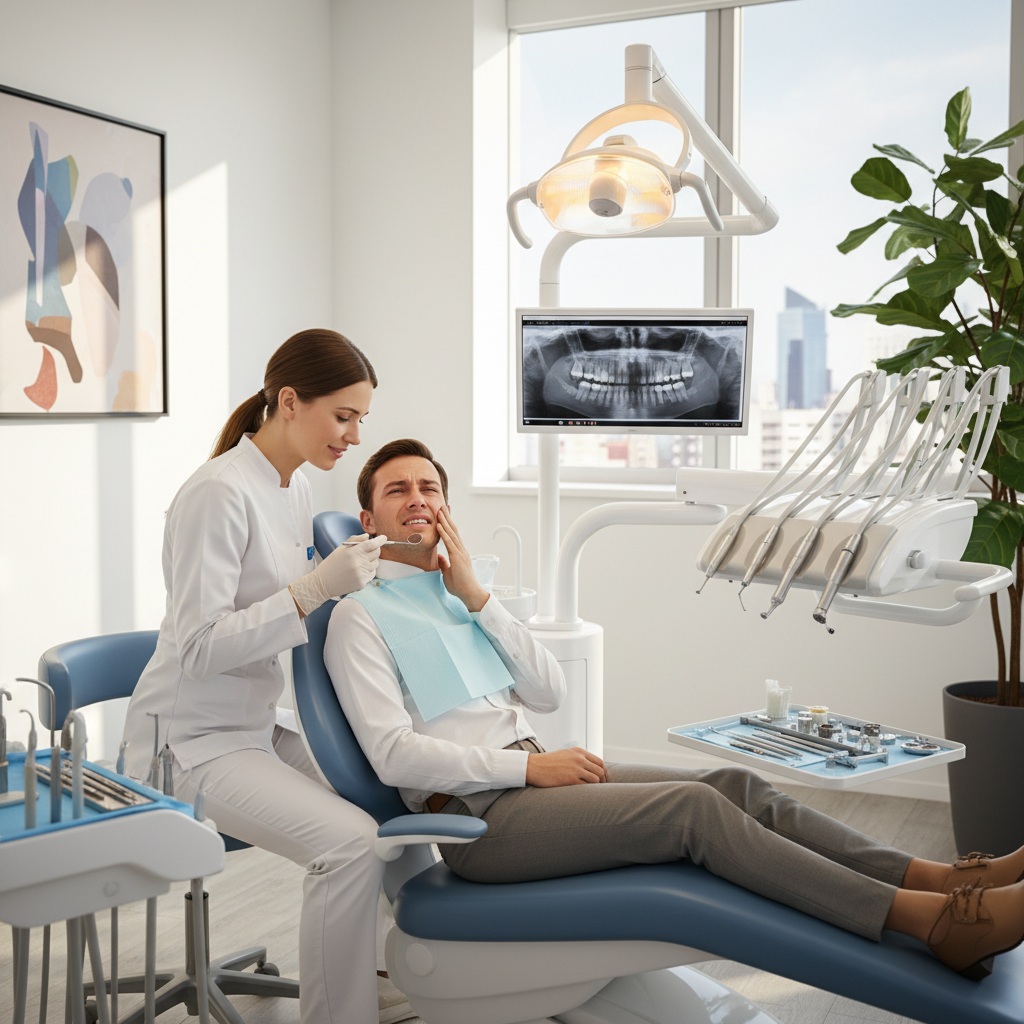
The primary reason patients choose zirconia is its exceptional balance of durability and cosmetic appeal. You might be wondering: why is this material rapidly replacing traditional porcelain-fused-to-metal (PFM) options?
Biocompatibility and Safety
Zirconia is highly biocompatible, meaning it does not provoke an immune response or inflammation in the gum tissue. For patients with sensitivities to metals like nickel, this material offers a safe, hypoallergenic alternative.
Preservation of Tooth Structure
Because zirconia is so strong, crowns can be made thinner than other ceramic options. This allows your dentist to remove less of your natural tooth structure during the preparation phase, preserving the integrity of your original tooth.
Key Takeaway: Major Benefits
Key Takeaway: Zirconia crowns provide a safe, conservative, and robust solution for tooth restoration.
| Benefit | Impact on Patient | Comparison to PFM | |
|---|---|---|---|
| Safety | Hypoallergenic. | No risk of metal allergy. | |
| Preservation | Conservative prep. | Saves more natural tooth. | |
| Strength | Resists fractures. | 3x stronger than porcelain. | |
| Comfort | Smooth surface. | Less wear on opposing teeth. |
Analysis: The data confirms that zirconia outperforms legacy materials in both safety profiles and the preservation of natural biology.
When Is Zirconia a Good Choice?
Zirconia is particularly effective for restoring molars due to its ability to withstand heavy chewing forces. Consider this: if you have a history of breaking crowns or grinding your teeth, this material provides the resilience you need.
Restoring Molars and Back Teeth
The back teeth endure the most pressure during chewing, requiring a material that will not chip or crack. Monolithic zirconia is the gold standard here, offering the strength of metal without the unsightly appearance.
Solutions for Bruxism
For patients who grind their teeth (bruxism), standard porcelain can easily fracture. Zirconia’s high flexural strength makes it an ideal choice for biocompatible dental ceramic parts that must survive in a high-stress environment.
Key Takeaway: Ideal Candidates
Key Takeaway: Zirconia is the go-to solution for heavy biters and posterior restorations.
| Indication | Why Zirconia? | Priority | |
|---|---|---|---|
| Molars | Withstands heavy forces. | High | |
| Bruxers | Resists grinding wear. | High | |
| Tight Space | Thin material is strong. | Medium | |
| Esthetics | Natural look available. | Medium |
Analysis: This checklist helps identify that patients with functional durability needs benefit most from zirconia restorations compared to purely cosmetic options.
How Durable Are Zirconia Crowns?

Zirconia is renowned for its superior flexural strength, often measuring between 1000 and 1200 MPa. Here is the deal: that is nearly five times stronger than standard porcelain crowns.
Resistance to Fractures
Clinical studies have shown that monolithic zirconia crowns have incredibly low fracture rates. Unlike porcelain-fused-to-metal crowns, there is no veneer to chip off, making the structure solid and reliable.
Wear Resistance
Despite its hardness, polished zirconia is gentle on opposing teeth. Proper processing ensures the surface is smooth, preventing the abrasive wear often seen with other ceramic materials.
Key Takeaway: Durability Stats
Key Takeaway: Zirconia provides industry-leading strength that minimizes the risk of restoration failure.
| Material | Flexural Strength (MPa) | Fracture Risk | |
|---|---|---|---|
| Zirconia | 900 – 1200 | Very Low | |
| Lithium Disilicate | 350 – 400 | Low/Medium | |
| Porcelain | 70 – 120 | High | |
| Gold | N/A (Malleable) | Very Low |
Analysis: The significant gap in flexural strength demonstrates why zirconia is classified as “ceramic steel” and trusted for long-term performance.
What Happens During the Procedure?
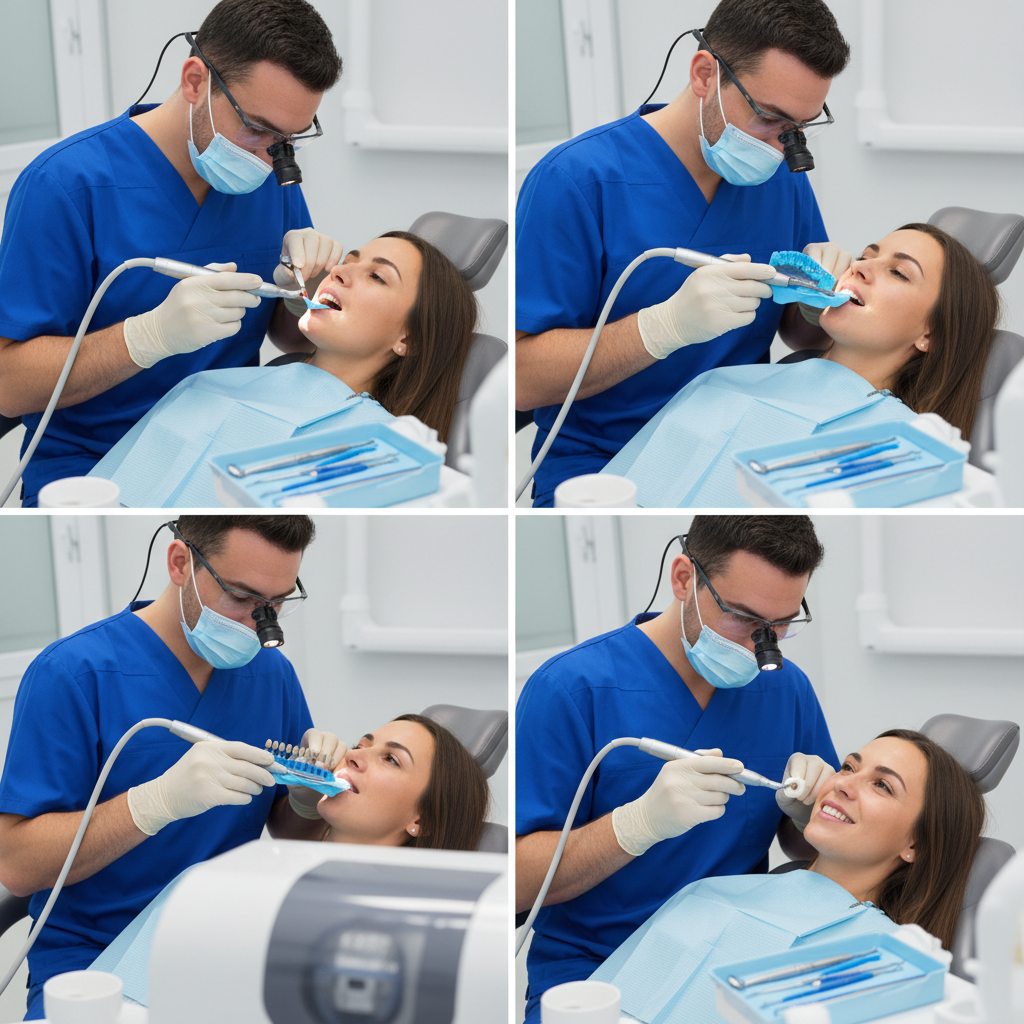
The process is streamlined thanks to digital technology, often requiring fewer visits than traditional methods. Step by step: your dentist will prepare the tooth, scan it, and fit the custom crown.
Preparation and Scanning
First, the dentist numbs the area and reshapes the tooth to accommodate the crown. Instead of messy impression putty, an intraoral scanner captures a precise 3D digital image of your teeth.
Fitting and Cementation
Once the crown is milled, you will return for the final fitting. The dentist checks the margins and bite before bonding it permanently with dental cement, ensuring a seamless fit.
Key Takeaway: Timeline Overview
Key Takeaway: Modern CAD/CAM workflows make the zirconia procedure efficient and comfortable.
| Stage | Duration | Action | |
|---|---|---|---|
| Prep | 30-60 mins | Shaping & numbing. | |
| Scan | 10-15 mins | Digital 3D model. | |
| Temp | 1-2 weeks | Protective cover. | |
| Bonding | 30-45 mins | Final placement. |
Analysis: This workflow highlights the efficiency of modern dentistry compared to older, multi-week processes involving physical molds.
What Is the Cost of a Zirconia Crown?
Investing in a zirconia crown is an investment in your long-term oral health. Let’s talk numbers: prices typically range from
1,000to
2,500 per tooth in the US, varying by region and complexity.
Average Price Ranges
While costs vary, zirconia is generally comparable to PFM crowns but more expensive than basic resin options. Insurance often covers up to 50% of the procedure if it is medically necessary.
Value for Money
Although the upfront cost is higher than some alternatives, the longevity of zirconia makes it cost-effective. You are less likely to need repairs or replacements compared to weaker ceramic options. Browse our full product catalog to understand the material grades available.
Key Takeaway: Financial Breakdown
Key Takeaway: While the initial cost is significant, the durability of zirconia offers excellent long-term value.
| Cost Component | Estimated Range | Notes | |
|---|---|---|---|
| Total Fee | 1,000−2,500 | Before insurance. | |
| Insurance Pay | 500−1,250 | Typ. 50% coverage. | |
| Patient Pay | 500−1,250 | Plus deductible. | |
| Lab Fee | Included | Part of total fee. |
Analysis: Understanding these ranges helps patients plan financially for their restoration without unexpected surprises.
How Does Zirconia Compare to PFM?
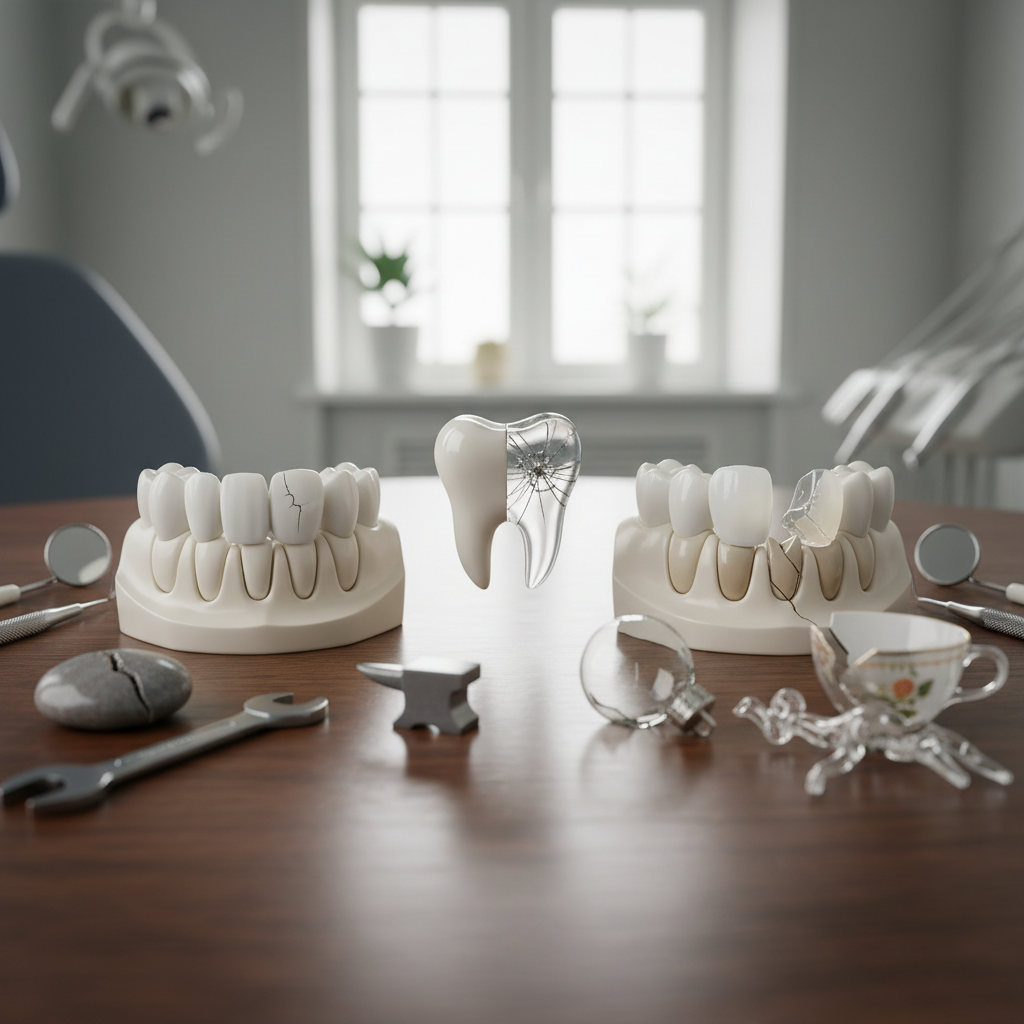
Comparing Zirconia to Porcelain-Fused-to-Metal (PFM) reveals distinct advantages. The difference is clear: PFM has been the standard for decades, but zirconia solves its aesthetic and structural flaws.
Aesthetic Differences
PFM crowns often develop a dark gray line at the gum margin as gums recede over time. Zirconia is white through and through, ensuring that margins remain invisible and the look stays natural.
Structural Integrity
Porcelain can chip off the metal core of a PFM crown under stress. Monolithic zirconia is a solid material with no layers to separate, eliminating the risk of veneer chipping.
Key Takeaway: Comparative Analysis
Key Takeaway: Zirconia eliminates the aesthetic compromises and structural weaknesses of metal-ceramic crowns.
| Feature | Zirconia Crown | PFM Crown | |
|---|---|---|---|
| Core | Zirconium Dioxide | Metal Alloy | |
| Chipping | Very Low Risk | Moderate Risk | |
| Esthetics | No dark lines | Dark line risk | |
| Bio-safe | High | Low/Medium |
Analysis: The comparison demonstrates that zirconia is a superior technological evolution over PFM for most restorative needs.
Do Zirconia Crowns Look Natural?
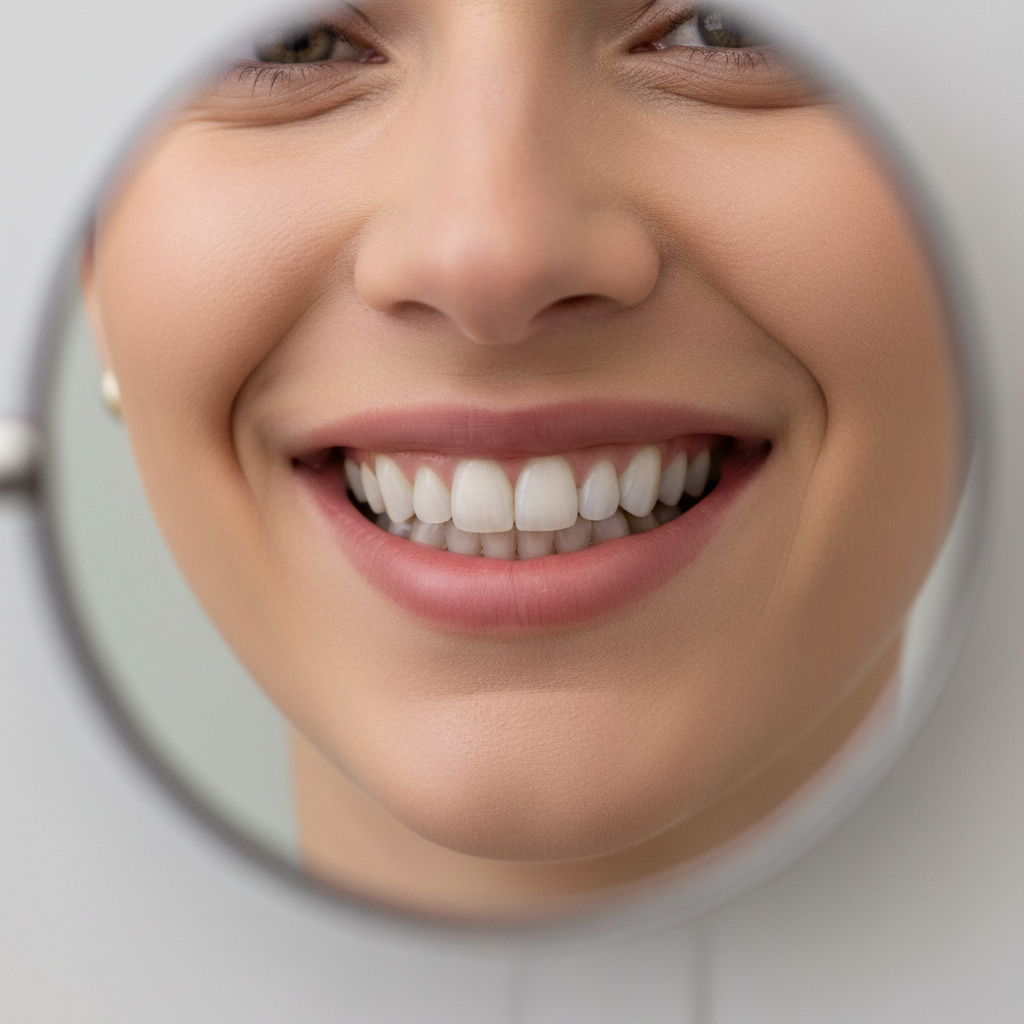
Modern zirconia crowns are highly aesthetic and can be color-matched to your existing teeth. Ready for the good part? High-translucency options allow light to pass through, mimicking real enamel.
Color Matching
Your dentist will select a shade that blends perfectly with your smile. Advanced staining techniques allow for characterization that matches the unique look of your natural teeth.
Translucency Levels
Newer formulations of zirconia offer varying levels of translucency. This means they look less opaque and “chalky” than older versions, providing a vibrant, lifelike appearance.
Key Takeaway: Aesthetic Quality
Key Takeaway: Advances in material science allow zirconia to rival the beauty of natural teeth.
| Feature | Old Zirconia | Modern Zirconia | |
|---|---|---|---|
| Opacity | High (Chalky) | Low (Translucent) | |
| Shade | Monochromatic | Multi-layered | |
| Use Case | Molars only | All teeth | |
| Realism | Low | High |
Analysis: The evolution from opaque to translucent materials has expanded the use of zirconia to the aesthetic zone of the smile.
How Do You Maintain a Zirconia Crown?
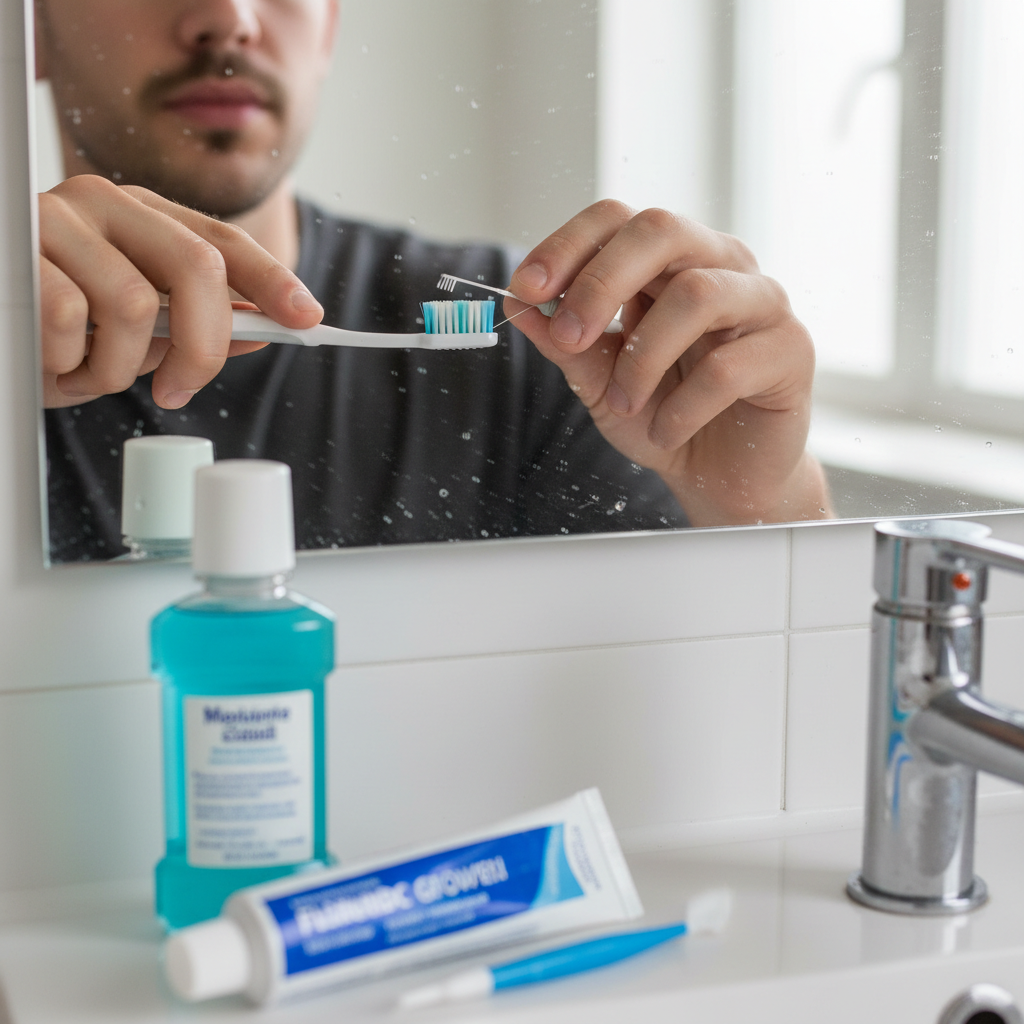
Treating your crown with care ensures it remains pristine for years. Don’t forget: while zirconia is resistant to cavities, the tooth structure underneath is not.
Daily Oral Hygiene Routine
Brush twice daily and floss carefully around the crown to remove plaque. Using a non-abrasive toothpaste helps protect the glazed surface of the restoration.
Dietary Restrictions
Avoid chewing on extremely hard objects like ice or pens. Although zirconia is strong, excessive force can damage your natural root or jaw. Contact our technical team if you have specific questions about material care.
Key Takeaway: Maintenance Protocol
Key Takeaway: Simple, consistent hygiene habits are the only requirement to keep your crown in top condition.
| Habit | Frequency | Purpose | |
|---|---|---|---|
| Brushing | 2x Daily | Remove plaque. | |
| Flossing | 1x Daily | Clean margins. | |
| Checkups | 6 Months | Monitor integrity. | |
| Nightguard | Nightly | Protect from grinding. |
Analysis: Adhering to this maintenance schedule is essential for preventing secondary decay at the crown margins.
What Are the Long-Term Outcomes?

Clinical data supports the exceptional longevity of zirconia restorations. Here is the truth: studies often show survival rates exceeding 95% over 10 years.
Survival Rates and Longevity
With proper care, a zirconia crown can last 10 to 15 years or more. Failures are typically due to decay of the underlying tooth rather than fracture of the crown itself.
Signs of Wear or Failure
If you notice a loose feeling or persistent sensitivity, see your dentist immediately. As an ISO-certified manufacturing partner , we understand that material quality plays a huge role in these outcomes.
Key Takeaway: Longevity Data
Key Takeaway: Zirconia crowns offer one of the highest survival rates of any dental material.
| Material | Avg Lifespan | Main Failure Mode | |
|---|---|---|---|
| Zirconia | 10-15+ Years | Decay at margin. | |
| PFM | 10-12 Years | Porcelain chipping. | |
| Gold | 15-20 Years | Wear-through (rare). | |
| Resin | 5-7 Years | Fracture/Wear. |
Analysis: Zirconia rivals gold in longevity while providing the aesthetic benefits gold cannot offer.
Conclusion
A Zirconia Crown represents the pinnacle of modern dental restoration, effectively solving the trade-off between strength and aesthetics. By offering a metal-free, durable, and natural-looking solution, zirconia allows you to eat, speak, and smile with absolute confidence. Whether you are repairing a cracked molar or enhancing your smile, this material delivers reliable results that last for decades.
Ready to restore your smile? Contact us today to find the right solution for your dental needs.
FAQ
Q1: Is a zirconia crown safe for patients with metal allergies?Yes, zirconia is 100% metal-free and biocompatible. It is an excellent choice for patients who have allergic reactions to metals commonly used in other crowns, such as nickel, mercury, or gold alloys.
Q2: Can a zirconia crown be whitened after it is placed?No, ceramic materials like zirconia do not respond to traditional teeth whitening treatments. If you plan to whiten your teeth, it is recommended to do so before getting your crown, so the new crown can be matched to your brighter smile.
Q3: How long does the numbing last after the procedure?The numbness from the local anesthesia typically wears off within 2 to 4 hours after the procedure. You might feel some minor tenderness in the gum area for a day or two, but this usually resolves quickly with over-the-counter pain relievers.
Q4: What is the main disadvantage of a zirconia crown?The main disadvantage is that they can be harder to adjust once placed due to their extreme hardness. Additionally, if not polished correctly, they can wear down the opposing natural teeth, though modern zirconia has improved significantly in this regard.
Q5: How does the scanning process for a zirconia crown work?Instead of using gooey impression trays, the dentist uses a handheld intraoral scanner to take thousands of pictures of your tooth. These images create a precise 3D digital model on a computer, which is then used to design and mill your custom crown.