In the quest for high-quality glazing in ceramics, understanding the flow and behavior of glazes is critical. While a strong glaze formulation is vital, it does not guarantee the desired finish. Many manufacturers face the challenge of achieving consistent application quality. This is where glaze rheology becomes essential—it governs how glazes flow, adhere, and level. The focal point of this article is the Particle Size Distribution (PSD) of zircon powder, particularly its role in controlling rheology in opacified glazes. Accurate control of zircon PSD can significantly enhance the performance and appearance of the final product, giving manufacturers a reliable path to success in glazing.
How Does Zircon Powder PSD Affect Glaze Rheology?
Zircon powder is widely used in ceramic glazes due to its excellent properties. The Particle Size Distribution (PSD) of zircon powder is paramount for understanding its impact on glaze rheology. Rheology essentially describes how a fluid behaves under different conditions, which is crucial in the application and performance of glazes.
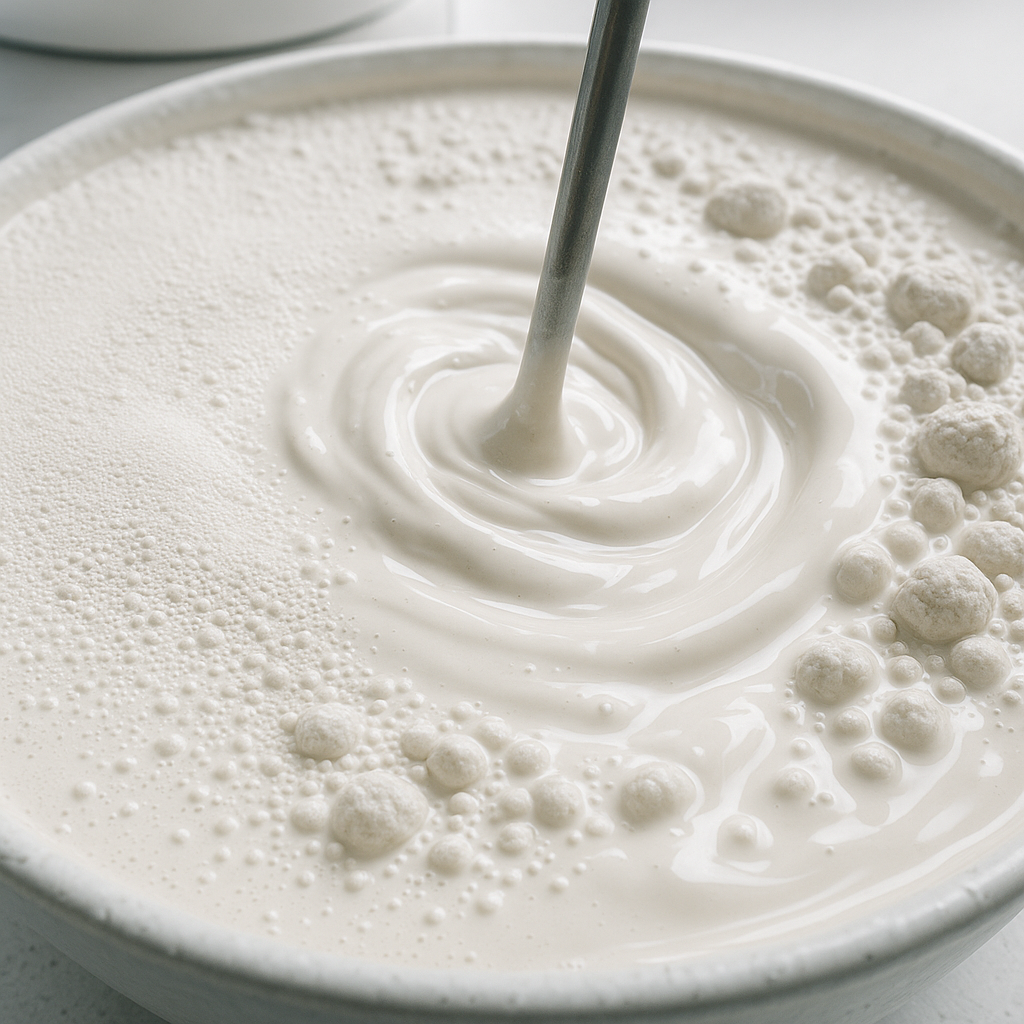
When we refer to glaze rheology, we’re discussing how well a glaze can flow, adhere, and form a uniform layer when applied. An optimal PSD ensures that the glaze maintains stability and provides consistent performance during application. It’s important for decision-makers in manufacturing to grasp how PSD directly correlates to rheological properties, as this knowledge allows for tweaking formulations for better outcomes.
Several factors come into play when considering glaze rheology. Viscosity is a key parameter that directly affects how easily a glaze can be applied and how it will behave during drying and firing. When the glaze has an ideal PSD, it results in a viscosity that is neither too thick nor too thin. A glaze that is too viscous will not spread evenly, leading to defects, while one that is too fluid will not adhere properly, causing drips and imperfections.
Moreover, uniformity in particle size contributes to a smoother application. If a glaze contains a significant amount of larger particles, it may lead to an uneven surface once dried. Additionally, the presence of both fine and coarse particles can create issues such as settling, where heavier particles sink to the bottom of the container. This leads to inconsistencies in the glaze composition, further impacting the final product’s quality.
| Factors Influencing Glaze Performance | Key Impacts |
|---|---|
| Particle Size Distribution (PSD) | Affects flow and application quality |
| Surface Area | Influences water demand and viscosity |
| Particle Shape | Determines packing density and stability |
What are the Key Properties of Zircon Powder?
Understanding the key properties of zircon powder is essential for manufacturers who want to optimize glaze performance. The chemical composition of zircon powder primarily consists of zirconium silicate. This compound is known for its high stability and resistance to high temperatures, making it optimal for use in various types of glazes.
Physical characteristics also play a significant role in performance. The size, shape, and distribution of zircon particles significantly affect their behavior in a glaze mix. A well-defined PSD not only leads to improved fluid dynamics but also enhances the adhesion and leveling properties of the glaze on the substrate.
The surface characteristics of zircon powder are critical. Finer particles can increase the specific surface area and enhance viscosity, while coarser particles may accelerate settling and reduce glossiness. For instance, finer particles can create a more uniform filler effect in the glaze, allowing for better light reflection when the glaze is fired. This characteristic is crucial for achieving a high-gloss finish.
Additionally, the thermal stability of zircon powder contributes significantly to the glaze’s performance during firing. Zircon retains its properties under high temperatures, preventing the glaze from blistering or cracking. Thus, a comprehensive understanding of these properties aids in tailoring formulations that satisfy performance criteria in ceramic applications.
| Key Properties of Zircon Powder | Influence on Glaze |
|---|---|
| Chemical Composition | Stability at high temperatures |
| Particle Size Distribution (PSD) | Affects flow and application |
| Surface Characteristics | Influences adhesion and gloss |
How Can You Measure Rheology in Glazes?
Measuring rheology accurately is vital for assessing and controlling glaze behavior. The primary objective is to determine how the glaze flows under different conditions—whether it be static or dynamic environments. Manufacturers typically use several methods for measuring rheological properties.
One common technique is rotational viscometry, which provides insights into a glaze’s viscosity at various shear rates. This method involves spinning a spindle within the glaze and measuring the resistance encountered. It is a simple yet effective way to measure viscosity and understand how the glaze will behave during application.
Another widely-used approach is using a flow cup or funnel to assess how quickly glaze flows under gravity. This method is particularly useful in evaluating the glaze’s flow characteristics without requiring complex equipment. The results can serve as a quick performance indicator to assess product quality.
The results from these measurements help in fine-tuning formulations to achieve the desired consistency and application behavior. Regular monitoring of rheological properties can lead to adjustments in formulation, such as altering water content or modifying the PSD of zircon powder to improve performance. Successful manufacturers often emphasize a feedback loop where rheological data drives formulation refinements.
| Rheological Measurement Techniques | Description |
|---|---|
| Rotational Viscometry | Measures viscosity at various shear rates |
| Flow Cup Method | Assesses flow rate under gravity |
| Capillary Viscometer | Determines viscosity using confined flow |
How Do Particle Size and Distribution Impact Glaze?
Particle size and distribution have a profound impact on the performance of ceramic glazes. A smaller D50 value indicates a finer average particle size, which leads to a larger specific surface area. This increased surface area enhances the interaction between particles and requires more water and dispersants to achieve the proper consistency.
Understanding these dynamics is essential for manufacturers. If the average particle size is too small, it can lead to excessive viscosity and thus make application difficult. In contrast, if the D90 value is excessively high, it signals an abundance of coarse particles that could hinder flow and lead to settling issues.
The combination of both fine and coarse particles can create a complex scenario. Fine particles help achieve smooth application and even surface finish, while coarser particles can provide structural integrity. However, too many coarse particles can settle quickly, leading to defects such as hard caking. This can cause a manufacturer to spend extra time and resources while trying to maintain product consistency.
Therefore, manufacturers must find the right balance in particle size and distribution. Regular testing and adjustments based on specific application requirements can mitigate potential issues caused by inappropriate PSD.
| Impact of Particle Size | Effects on Glaze |
|---|---|
| Smaller D50 | Higher surface area and water demand |
| Higher D90 | Faster settling and application inconsistency |
| Balanced PSD | Improved fluidity and performance stability |
What Challenges Are Associated with Zircon Powder PSD?
Despite its advantages, using zircon powder with an improper PSD can lead to several significant challenges. Firstly, too many coarse particles (high D90) can cause settling issues. When larger particles dominate, gravity will overpower any forces that keep them suspended. This can lead to sediment formation at the bottom of storage tanks, making it hard for operators to disperse the material.
Inconsistent application is another concern. A glaze with an uneven density can result in variations in color, opacity, and thickness. These inconsistencies can affect customer perception and product quality, which is often a key metric for success in the ceramics industry. Moreover, since aesthetics play a huge role in customer satisfaction, any imperfections will likely become a significant issue.
Additionally, coarse particles can clog equipment, leading to costly production delays and increased maintenance. Producers may find themselves continually cleaning nozzles and screens, resulting in lost production time and higher operating costs. Thus, addressing these issues often requires manufacturers to conduct regular assessments of the zircon powder used in their glazes.
Through diligent testing and monitoring, many manufacturers are successful in optimizing their processes. By continually adjusting their formulations based on the particle size distribution, they can avoid many pitfalls that tend to arise from poor material choices.
| Challenges of Improper PSD | Consequences |
|---|---|
| Hard Caking | Difficult dispersal during production |
| Inconsistent Application | Variations in final product appearance |
| Clogging Issues | Downtime and maintenance costs |
How Can Manufacturers Optimize Zircon Powder PSD?
Optimizing zircon powder PSD is essential for improving glaze performance. To achieve this, manufacturers can employ several strategies. One effective method is selecting the right grinding technology. Different milling techniques produce varied PSDs; therefore, understanding the technology can help achieve the desired particle size distribution.
For example, jet milling is a popular option. This method provides finer particles and a narrow particle size distribution. On the other hand, ball milling can lead to a broader PSD, which might not be suitable depending on the application. Thus, choosing the right equipment that aligns with desired outcomes is crucial.
Another critical aspect is continuous monitoring of the PSD. Utilizing techniques like laser diffraction can assist manufacturers in obtaining real-time data on particle size. This allows for timely adjustments that ensure consistency. By integrating this data into production metrics, businesses can streamline processes, minimize waste, and improve overall product quality.
Additionally, blending zircon powders of different PSDs can also yield better results. Combining finer and coarser particles in established proportions can maintain flow properties while providing excellent coating performance. This strategy can also help accommodate variations in raw materials, ensuring a consistent end product for customers.
Through these methods, manufacturers can achieve a glossier and more uniform glaze, significantly enhancing product quality. Ultimately, continual feedback and adjustment create a cycle of improvement that benefits production outcomes.
| Optimization Techniques | Description |
|---|---|
| Right Grinding Technology | Chooses milling methods for optimal PSD |
| Continuous PSD Monitoring | Uses laser diffraction for real-time analysis |
| Blending Different Zircon Powders | Combines various sizes for balanced performance |
What are the Applications of Zircon Powder in Industry?
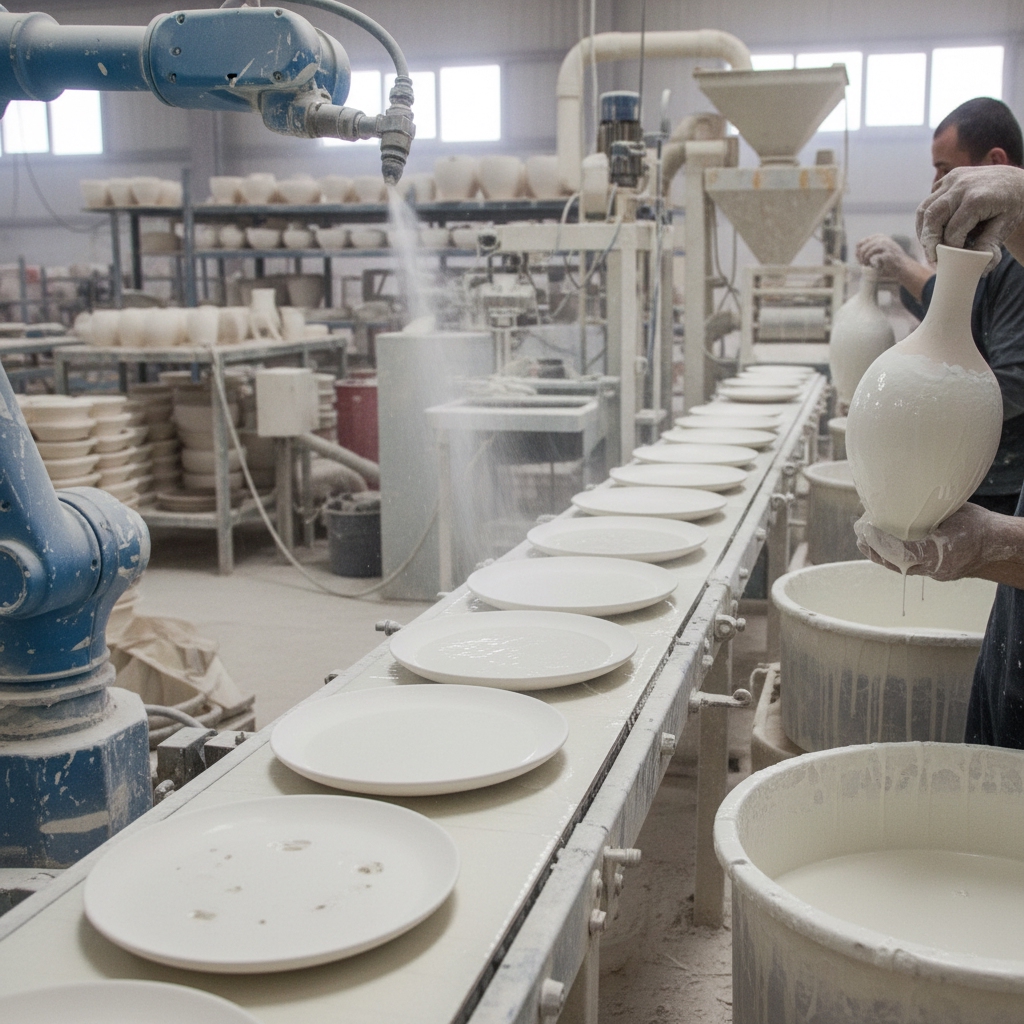
Zircon powder finds widespread application in various industries, particularly in ceramics. Its excellent thermal resistance and stability make it a preferred choice in glazed ceramics. High-quality glazes rely on the superior properties of zircon powder, as they significantly enhance finished product durability and aesthetics.
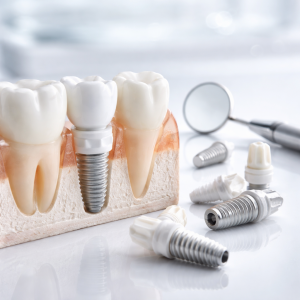
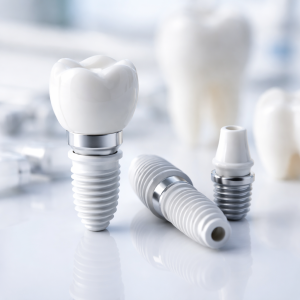
In addition to ceramics, zircon powder is utilized in glass manufacturing, refractory materials, and even dental applications. Each of these industries relies heavily on the right use of zircon powder to achieve desirable functional properties.
In ceramics, zircon powder enhances gloss and brightness, making it an essential component for decorative glazes. In glass manufacturing, it contributes to clarity and low expansion properties, reducing the chances of defects during production. In dental applications, zircon is favored for its biocompatibility and strength, offering practitioners reliable materials for dental restorations.
As industries continue to innovate, the role of zircon powder will expand. Manufacturers who optimize its usage will benefit from improved product quality and customer satisfaction across the board.
| Industries Using Zircon Powder | Primary Applications |
|---|---|
| Ceramics | Glazes and coatings |
| Glass Manufacturing | Components for glass products |
| Dental Ceramics | Materials for dental restorations |
Conclusion and Practical Guidelines
In summary, understanding zircon powder’s physical properties, particularly PSD, is critical for achieving successful glazing applications. Proper management of PSD allows for improved application quality, as it directly influences rheology, viscosity, and suspension behavior.
Manufacturers can gain substantial advantages by establishing strict purchasing standards for D50 and D90 values. By incorporating ongoing monitoring and adjustments in formulation, consistent quality can be maintained.
For systematic improvements in glazing processes, partner with Global Industry to implement the outlined strategies. Adhering to these practical guidelines will empower you to enhance production outcomes and minimize waste effectively.
FAQ Section
Q1: How does zircon powder PSD impact the quality of glazes?
Zircon powder PSD affects the flow behavior and viscosity of glazes, influencing overall quality.
Q2: What methods are used to measure the PSD of zircon powder?
Common methods include laser diffraction and sedimentation techniques, allowing for precise PSD determination.
Q3: Why is rheology important in glaze formulations?
Rheology helps predict how glazes will behave during application processes, impacting final product effectiveness.
Q4: Can improper PSD lead to defects in finished products?
Yes, improper PSD can cause issues like uneven coating and poor adhesion, negatively affecting the finished glaze.
Q5: How can manufacturers ensure optimal zircon powder performance?
By employing rigorous quality control measures and adjusting particle size during processing, manufacturers can enhance performance.