A zirconia bridge is a high-strength dental restoration made from zirconium dioxide that replaces missing teeth with unparalleled durability and aesthetic appeal. If you are struggling with tooth loss or failing traditional restorations, the resulting loss of function and confidence can be quite distressing. Choosing zirconia arches provides a biocompatible, permanent solution that mimics the light-reflecting properties of natural enamel. This guide will walk you through the technical advantages and clinical benefits of modern zirconia prosthetic technology.
What are zirconia arches and how do they differ?
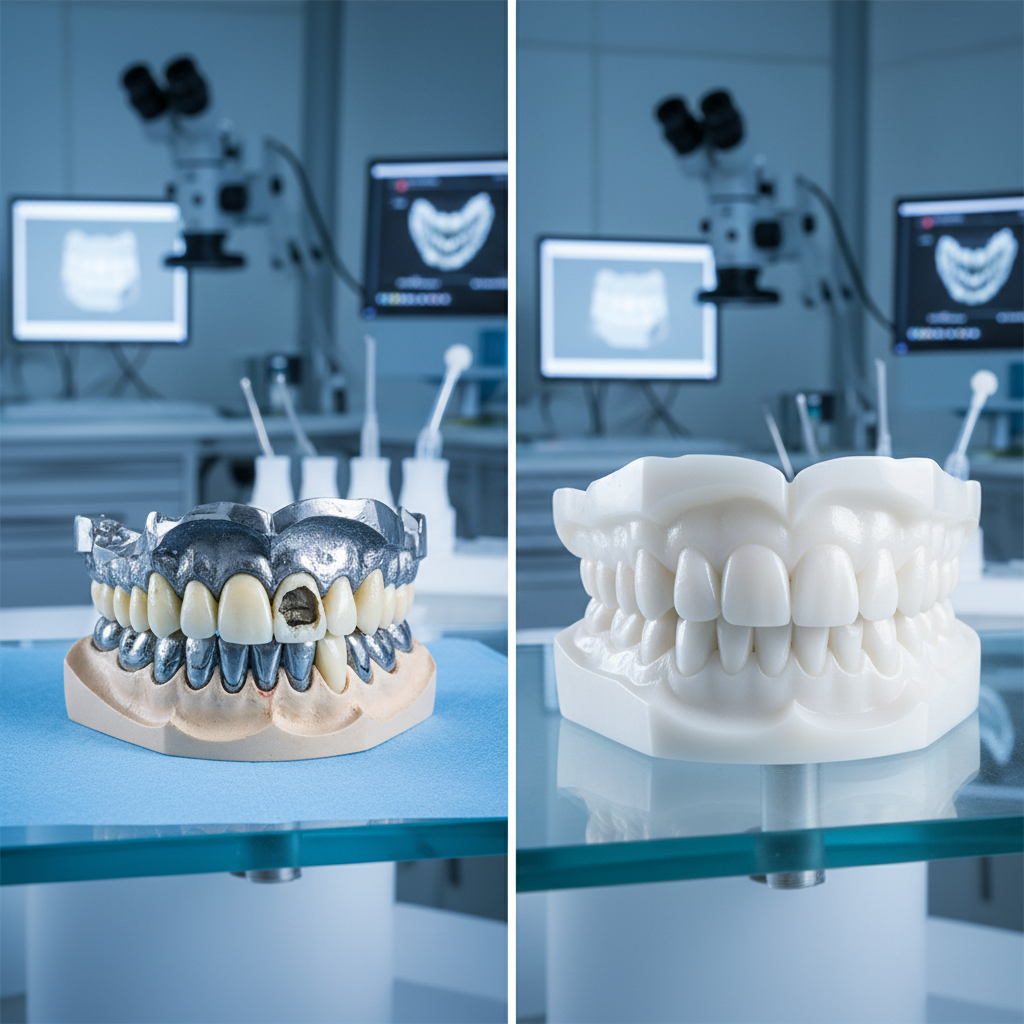
Zirconia arches are monolithic or layered ceramic restorations that provide significantly higher fracture resistance compared to traditional porcelain-fused-to-metal (PFM) bridges. These zirconia arches differ primarily in their material composition, utilizing a metal-free framework that eliminates the “gray line” often seen at the gumline. Because they are milled from a single block of material, you get a bridge that is virtually indestructible under normal biting forces. This makes them the gold standard for patients seeking both longevity and a natural-looking smile.
Defining zirconia bridge structures
When you choose this technology, you are opting for a CAD/CAM designed framework that fits with micron-level precision. But that’s not all:
- They offer high flexural strength.
- They are completely metal-free.
- They resist wear over time. This precision ensures you experience minimal adjustments during the final fitting process.
Key material distinctions
You will find that the translucency of these bridges allows them to blend seamlessly with your remaining natural teeth. Check this out:
- Multi-layered shading options.
- Enhanced biocompatibility with soft tissues.
- Low thermal conductivity for comfort.
| Feature | Traditional PFM | Zirconia Arch | |
|---|---|---|---|
| Framework | Metal Alloy | Zirconium Dioxide | |
| Aesthetics | Opaque/Dark Edges | Translucent/Natural | |
| Strength | Moderate | Extremely High |
The transition from metal-based restorations to full-ceramic solutions represents a major leap in dental material science and patient satisfaction.
Key Takeaway: Zirconia arches provide a superior combination of extreme durability and natural aesthetics that traditional metal-backed bridges simply cannot match.
Why choose zirconia arches for dental restorations?
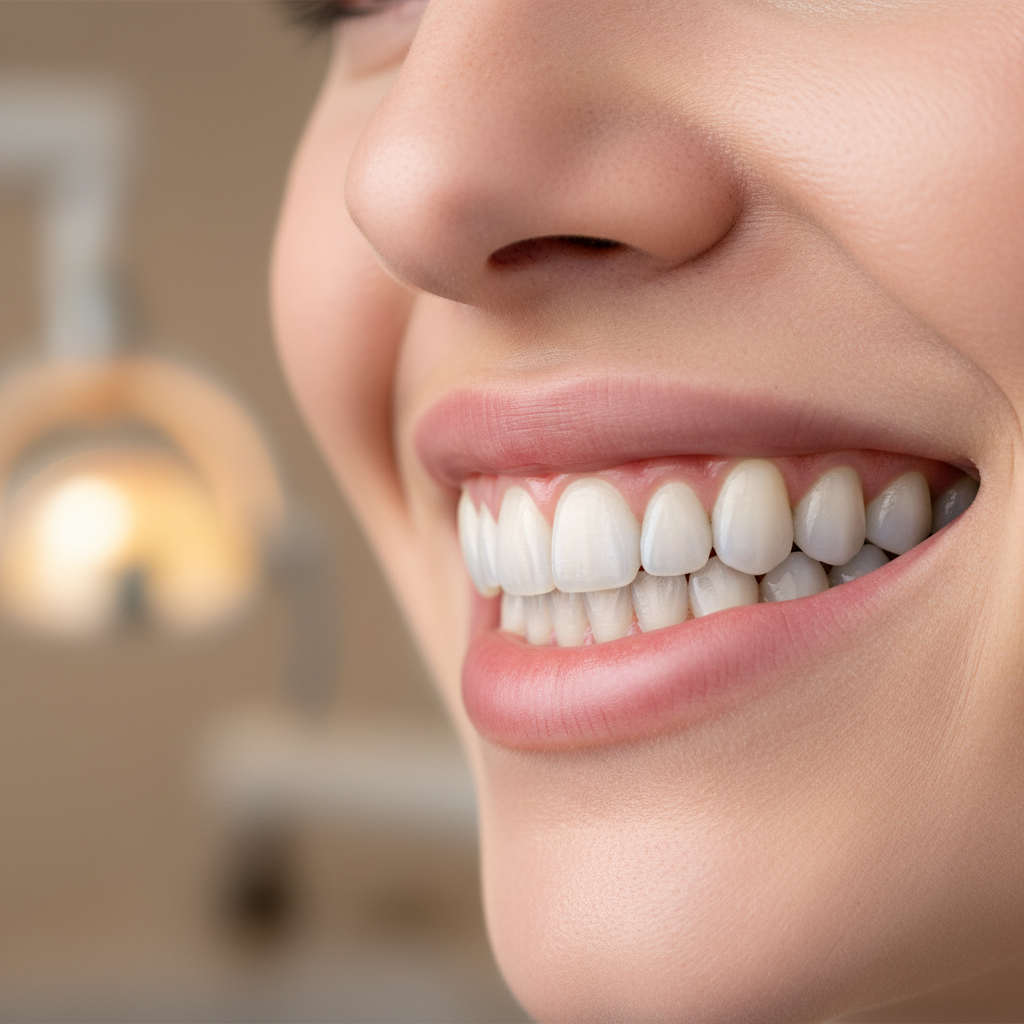
Choosing zirconia arches ensures a restoration that is nearly twice as strong as traditional ceramics, providing a long-term solution for heavy biters or grinders. These zirconia arches are preferred because they do not irritate the surrounding gum tissue, which promotes better oral health over the lifespan of the bridge. Furthermore, the material is highly resistant to staining from coffee, tea, or wine, keeping your smile bright for years. You essentially get a restoration that performs like steel but looks like natural porcelain.
Benefits of strength and durability
You can eat your favorite foods without the constant fear of chipping or breaking your dental work. Believe it or not:
- Resists over 1,000 MPa of pressure.
- Prevents cracks from spreading.
- Maintains shape under heavy loads. This structural integrity gives you the peace of mind that your investment is protected.
Aesthetic advantages over PFM
You will notice a vibrant, life-like quality in your smile because the material mimics the way light passes through real teeth. But wait, there’s more:
- No dark metal shadows at the gums.
- Custom-matched tooth shades.
- Smooth surface reduces plaque buildup.
| Benefit | Impact on You | |
|---|---|---|
| High Strength | Eat tough foods confidently | |
| No Metal | Healthier gum response | |
| Stain Resistance | Long-lasting white smile |
The combination of mechanical power and visual beauty makes this material the ultimate choice for modern restorative dentistry.
Key Takeaway: The primary reason to choose zirconia is its unique ability to offer maximum structural strength without sacrificing the natural beauty of your smile.
How are zirconia arches manufactured and processed?
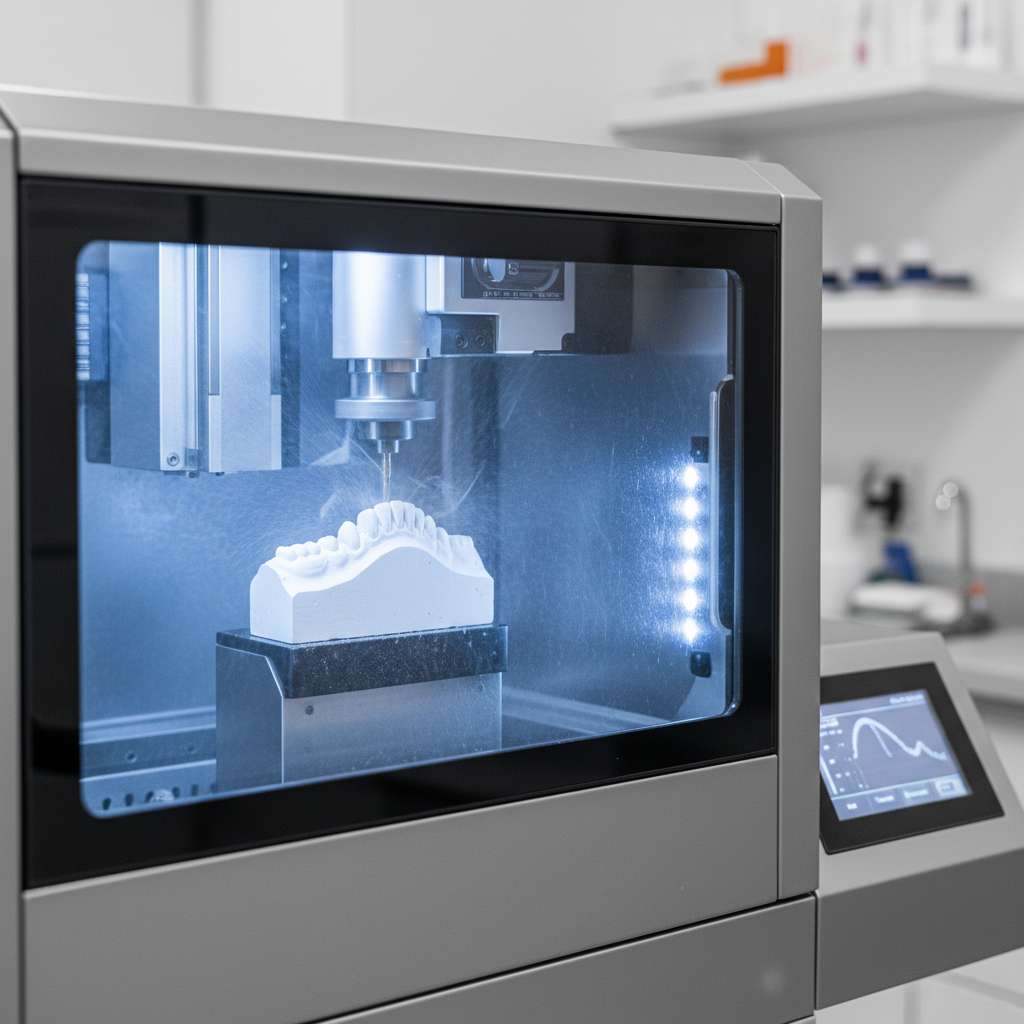
Zirconia arches are manufactured using advanced CAD/CAM (Computer-Aided Design and Manufacturing) technology to ensure a perfect digital fit for every patient. These zirconia arches begin as a solid medical-grade block which is then precision-milled according to a 3D scan of your mouth. After milling, the structure undergoes a high-heat sintering process that transforms the chalk-like material into a rock-hard ceramic. This digital workflow eliminates the human error often found in traditional hand-poured dental molds.
CAD/CAM technology in production
You benefit from a digital design process that maps every contour of your bite with incredible accuracy. Think about this:
- No messy physical impressions.
- Faster production turnaround times.
- Consistent quality across every arch. This high-tech approach ensures you receive a bridge that feels natural from the moment it is placed.
Sintering and finishing steps
You will receive a bridge that has been hardened in a specialized furnace to reach its peak physical properties. But that’s not all:
- Precision cooling prevents warping.
- Hand-applied stains add realism.
- Polishing ensures a smooth feel.
| Manufacturing Step | Purpose | |
|---|---|---|
| Digital Scanning | Captures 3D oral data | |
| Robotic Milling | Shapes the zirconia block | |
| Heat Sintering | Hardens the material |
Advanced manufacturing protocols ensure that every bridge meets the highest standards for fit, function, and longevity.
Key Takeaway: The integration of digital scanning and robotic milling guarantees that your zirconia bridge fits more accurately than any traditional manual method.
Are zirconia arches suitable for full-mouth reconstruction?
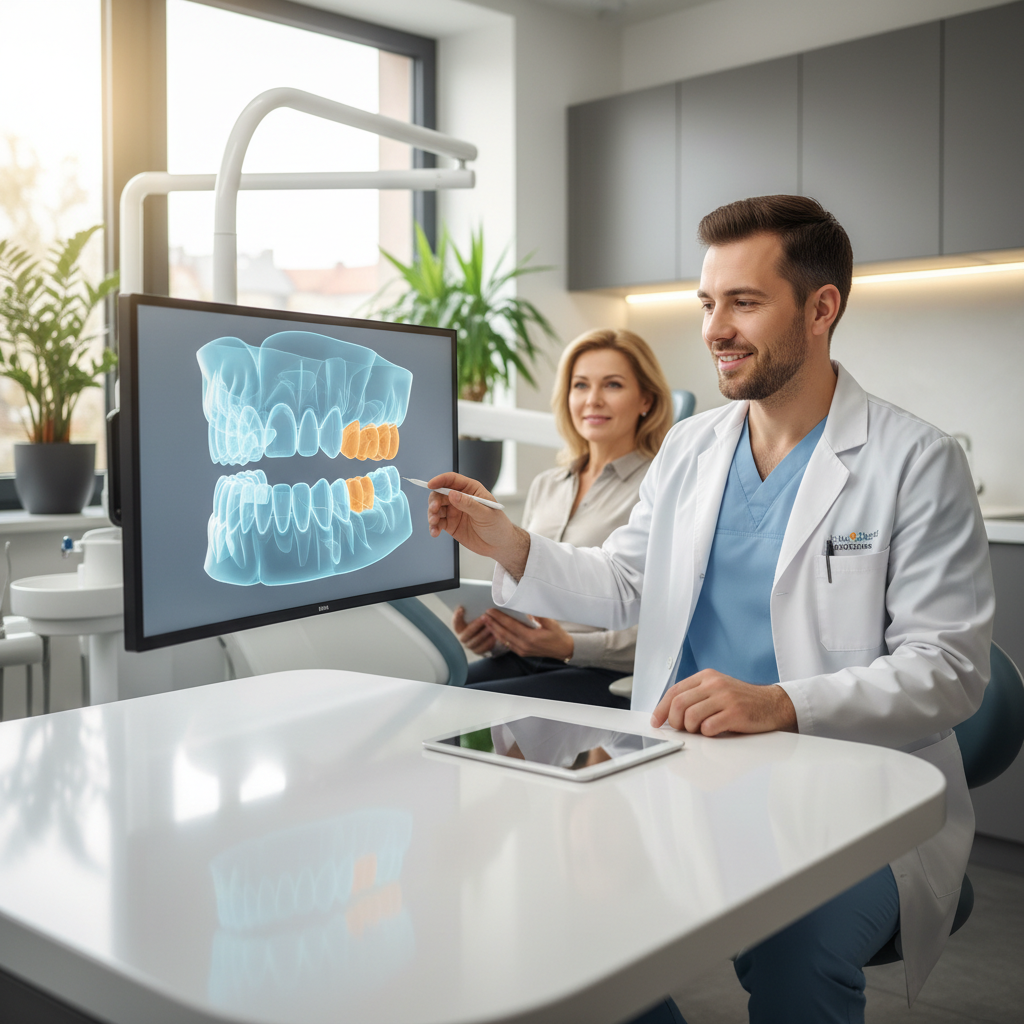
Zirconia arches are an ideal solution for full-mouth reconstruction because they can support an entire row of teeth on just a few dental implants. These zirconia arches provide the necessary rigidity to stabilize the jaw and prevent the “sunken” look often associated with total tooth loss. Because the material is so lightweight compared to metal-ceramic alternatives, patients find it much easier to adapt to their new full-arch prosthetics. This approach often involves the “All-on-X” protocol, where the bridge is securely fixed into place.
Assessing patient candidacy
You need to have sufficient bone density and healthy gums to support the implants that hold the bridge. Check this out:
- CT scans determine bone volume.
- Health history affects healing.
- Bite alignment is carefully analyzed. Your dentist will use these factors to decide if a full zirconia restoration is the right path for you.
Single arch vs. dual arch considerations
You might choose to restore just the upper or lower jaw, or both simultaneously for a complete transformation. The best part is:
- Balanced bite forces across arches.
- Uniform tooth color and shape.
- Improved facial muscle support.
| Consideration | Full Arch Benefit | |
|---|---|---|
| Stability | Fixed and non-removable | |
| Appearance | Youthful facial structure | |
| Function | Full chewing power restored |
For those facing terminal dentition, full-arch zirconia restorations offer a second chance at a perfect, functional smile.
Key Takeaway: Full-mouth reconstruction with zirconia provides a fixed, stable, and highly aesthetic alternative to traditional removable dentures.
What is the typical lifespan of zirconia arches?
The typical lifespan of zirconia arches ranges from 10 to 15 years, though many patients enjoy them for much longer with proper clinical care. These zirconia arches are designed to withstand the rigors of daily chewing without the fatigue that affects other dental materials. While the material itself is nearly indestructible, the longevity often depends on the health of the underlying supporting teeth or implants. Regular dental checkups are essential to ensure the bridge remains securely bonded and correctly aligned.
Factors influencing longevity
You can maximize the life of your bridge by avoiding extremely hard objects like ice or non-food items. But here is the kicker:
- Night guards prevent grinding damage.
- Gum health protects the foundation.
- Precise fitting reduces stress points. By following these simple guidelines, you ensure your restoration remains in peak condition for a decade or more.
Maintenance tips for maximum life
You will find that basic hygiene routines are the most effective way to keep your bridge looking new. Look at this:
- Use non-abrasive toothpastes.
- Floss under the bridge daily.
- Attend bi-annual professional cleanings.
| Life Factor | Impact Level | |
|---|---|---|
| Material Strength | Exceptionally High | |
| Oral Hygiene | Critical for Foundation | |
| Bite Pressure | Manageable with Guard |
While the material is permanent, the success of the bridge is a partnership between advanced technology and your daily habits.
Key Takeaway: With excellent oral hygiene and regular professional maintenance, a zirconia bridge can serve as a long-term solution for many years.
How do costs compare for zirconia arches vs. alternatives?
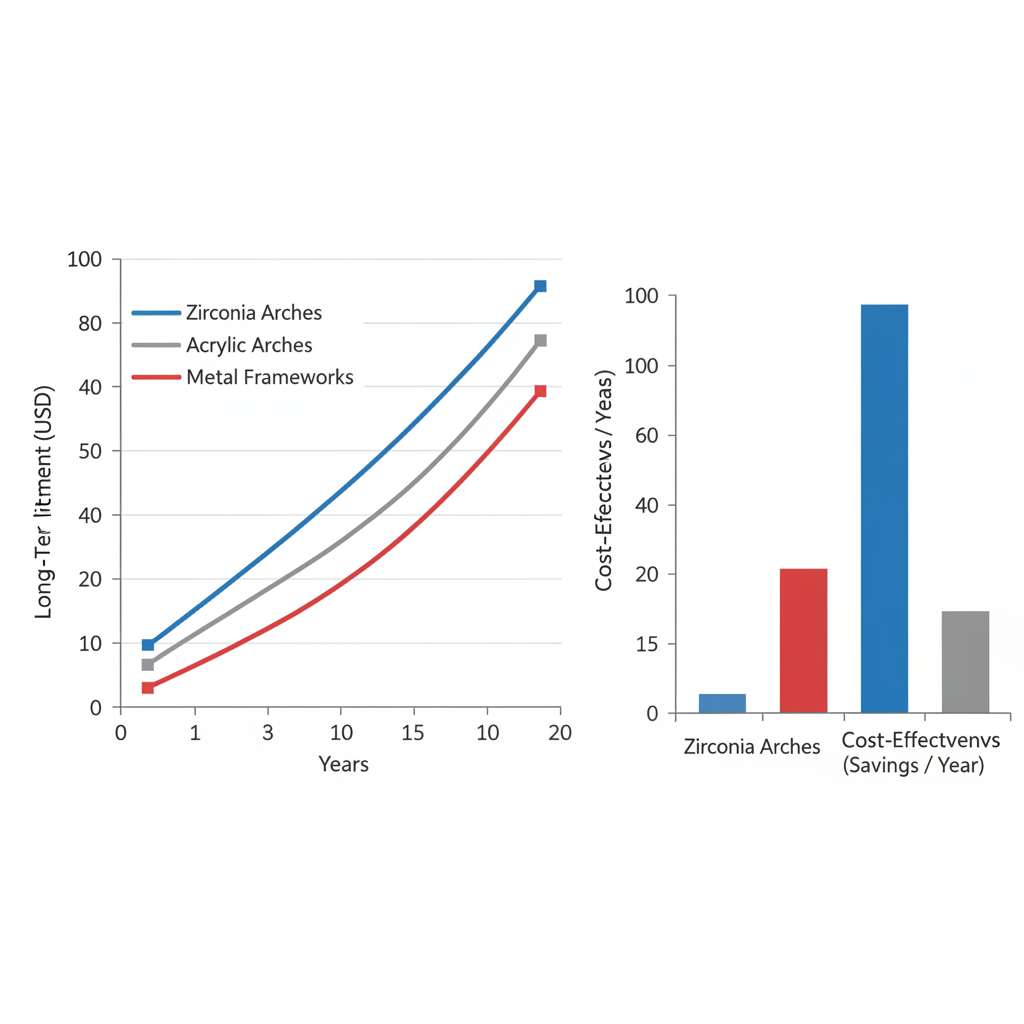
The cost of zirconia arches is typically higher than acrylic or metal-based bridges, reflecting the premium quality of the material and the technology used. However, because these zirconia arches rarely require repair or replacement, they often represent a lower total cost of ownership over time. Patients find that the upfront investment pays off through increased comfort and the avoidance of frequent dental office visits for chips or cracks. When comparing prices, it is important to look at the value of a “once-and-done” solution versus cheaper, temporary options.
Understanding the investment
You are paying for the high-end digital milling process and the superior medical-grade ceramic material. But that’s not all:
- Less risk of emergency repairs.
- No need for frequent relining.
- Permanent color that doesn’t fade. This makes the bridge a valuable long-term asset for your health and self-image.
Insurance and financing options
You may find that your dental insurance covers a portion of the restorative work, though coverage varies by plan. Check this out:
- Monthly payment plans are common.
- Health savings accounts (HSA) apply.
- Long-term durability saves money.
| Material Type | Upfront Cost | Long-term Value | |
|---|---|---|---|
| Acrylic | Lower | Low (wears out) | |
| Metal-Ceramic | Moderate | Medium (may chip) | |
| Zirconia | Higher | Very High (durable) |
Investing in a high-quality bridge today prevents the frustration and recurring costs of inferior dental prosthetics in the future.
Key Takeaway: Although zirconia has a higher initial price point, its extreme durability and low maintenance needs make it the most cost-effective choice over time.
What potential risks are associated with zirconia arches?
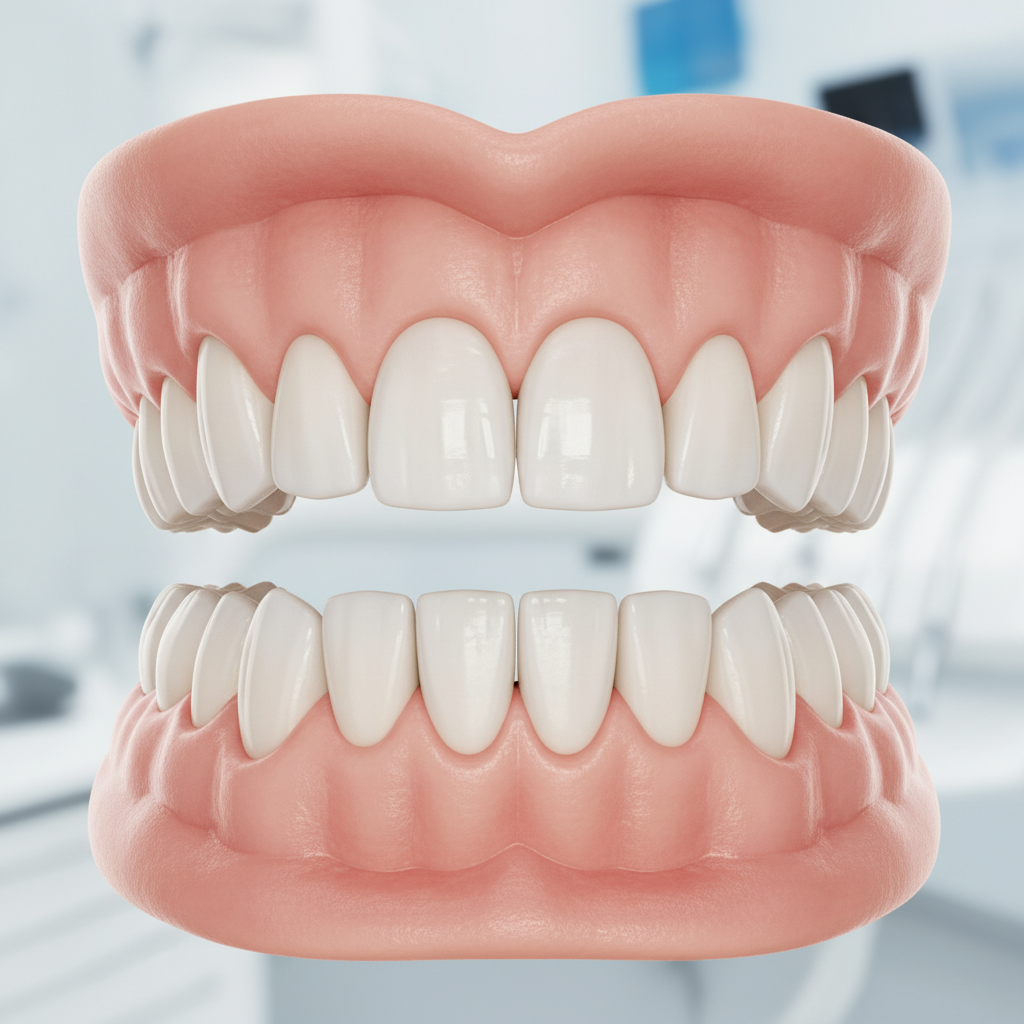
The risks associated with zirconia arches are minimal, though some patients may experience minor issues like opposing tooth wear or material chipping. Because zirconia arches are harder than natural tooth enamel, they can occasionally cause wear on the natural teeth they bite against if the bridge is not properly polished. There is also a very small risk of the ceramic layering chipping if the bridge is not monolithic, though the core remains solid. Choosing a skilled dentist who understands bite calibration is the best way to mitigate these risks.
Addressing material chipping concerns
You should know that monolithic (solid) zirconia is almost impossible to chip under normal conditions. But here is the catch:
- Layered porcelain can sometimes flake.
- Correct bite alignment prevents stress.
- High-quality labs ensure bond strength. Modern techniques have largely solved the early issues seen with older ceramic bridge designs.
Biocompatibility and patient safety
You will appreciate that zirconia is one of the most biocompatible materials used in human medicine today. Check this out:
- No allergic reactions to metal.
- No metallic taste in the mouth.
- Healthier gum tissue response.
| Potential Risk | Prevention Method | |
|---|---|---|
| Wear on Teeth | Expert polishing & bite check | |
| Chipping | Use of monolithic zirconia | |
| Sensitivity | Precise fit via CAD/CAM |
When performed by a professional, the risks of using this advanced material are significantly lower than traditional dental options.
Key Takeaway: Most risks can be completely avoided by choosing a monolithic zirconia design and ensuring your dentist performs a precise bite adjustment.
What preparation is needed for zirconia arches placement?
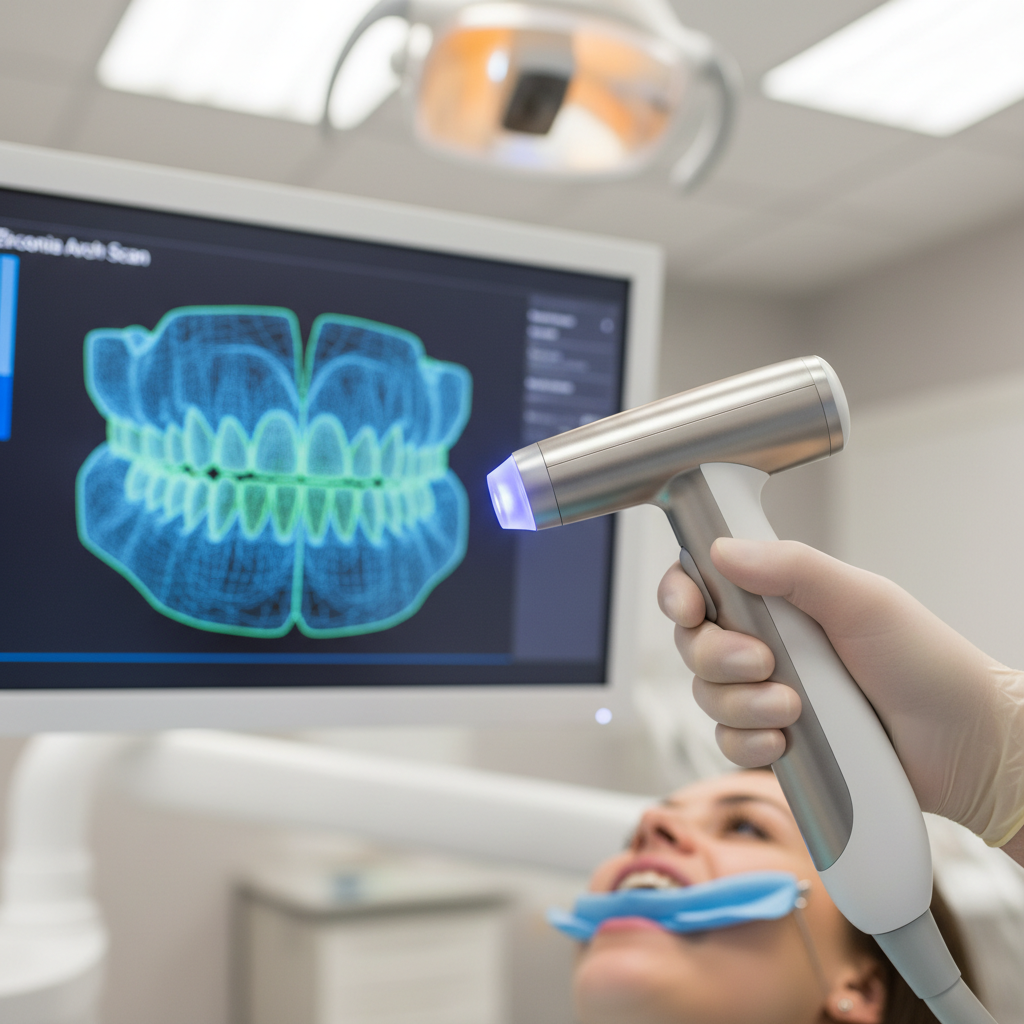
Preparation for zirconia arches involves a conservative reshaping of the supporting teeth to ensure a secure and flush fit for the bridge. These zirconia arches require less tooth reduction than traditional metal-based bridges because the material is exceptionally strong even in thin layers. Your dentist will take a digital or physical impression of the prepared teeth to send to the manufacturing lab. During the waiting period, a temporary bridge is usually placed to protect the preparations and maintain your smile.
Required tooth reduction
You will likely experience a more comfortable preparation process because the dentist preserves more of your natural tooth structure. Check this out:
- Thinner material allows for less drilling.
- Stronger bond to the remaining tooth.
- Better long-term tooth health. This conservative approach is one of the greatest clinical benefits of choosing zirconium dioxide.
Impression and fitting process
You will participate in a highly accurate digital scanning session that replaces the old-fashioned “goop” trays. But wait, there’s more:
- Instant 3D visualization of your bite.
- Faster communication with the lab.
- Fewer “redo” appointments needed.
| Preparation Step | Patient Experience | |
|---|---|---|
| Tooth Reshaping | Conservative and minimal | |
| Digital Scanning | Comfortable and quick | |
| Temporary Bridge | Protects teeth for ~2 weeks |
The streamlined preparation phase ensures that your journey to a new smile is as efficient and comfortable as possible.
Key Takeaway: Zirconia allows for a more conservative preparation, meaning you get to keep more of your natural tooth structure compared to other bridge types.
How should patients care for their new zirconia arches?
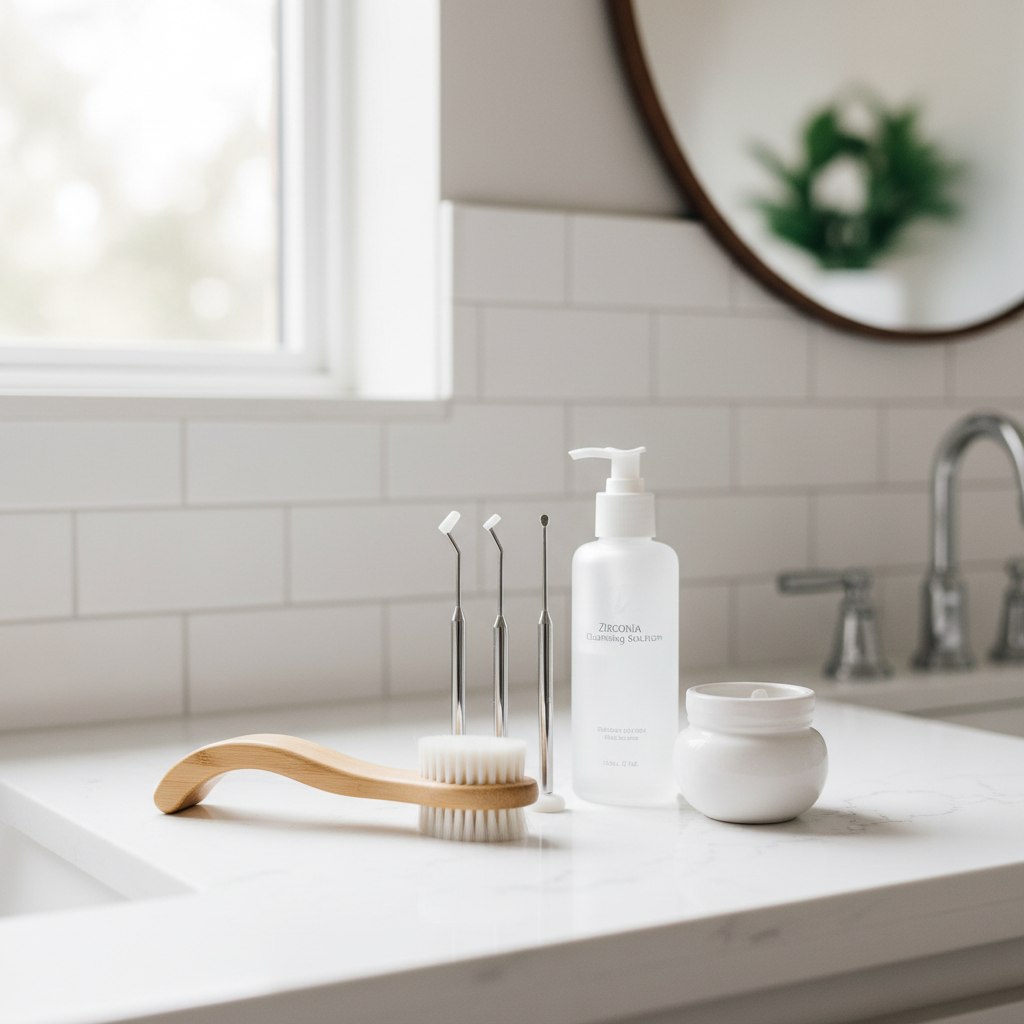
Caring for your new zirconia arches is very similar to caring for natural teeth, requiring daily brushing and flossing to prevent plaque buildup. While zirconia arches cannot decay, the natural teeth or gum tissue around the implants can still be affected by periodontal disease. Using a soft-bristled toothbrush and non-abrasive fluoride toothpaste will help maintain the polished surface of the bridge. It is also highly recommended to use a water flosser to clean the hard-to-reach areas underneath the prosthetic.
Daily cleaning and hygiene routines
You should maintain a consistent schedule of brushing at least twice a day to keep your restoration pristine. But that’s not all:
- Use a bridge threader or water flosser.
- Avoid whitening pastes with grit.
- Rinse with alcohol-free mouthwash. A clean bridge ensures that your gums remain pink and healthy, providing a beautiful frame for your new teeth.
Professional check-ups
You will need to visit your dentist regularly to ensure the bridge and its supports remain in perfect health. Check this out:
- X-rays monitor the bone levels.
- Professional polishing maintains shine.
- Bite checks prevent uneven wear.
| Maintenance Task | Frequency | |
|---|---|---|
| Brushing | Twice daily | |
| Water Flossing | Once daily | |
| Dental Visit | Every 6 months |
By committing to a simple hygiene routine, you protect your investment and ensure your bridge lasts for decades.
Key Takeaway: While the bridge material itself cannot get cavities, diligent daily cleaning is vital to protect the gums and bone that hold it in place.
Where can I find quality suppliers for zirconia arches?
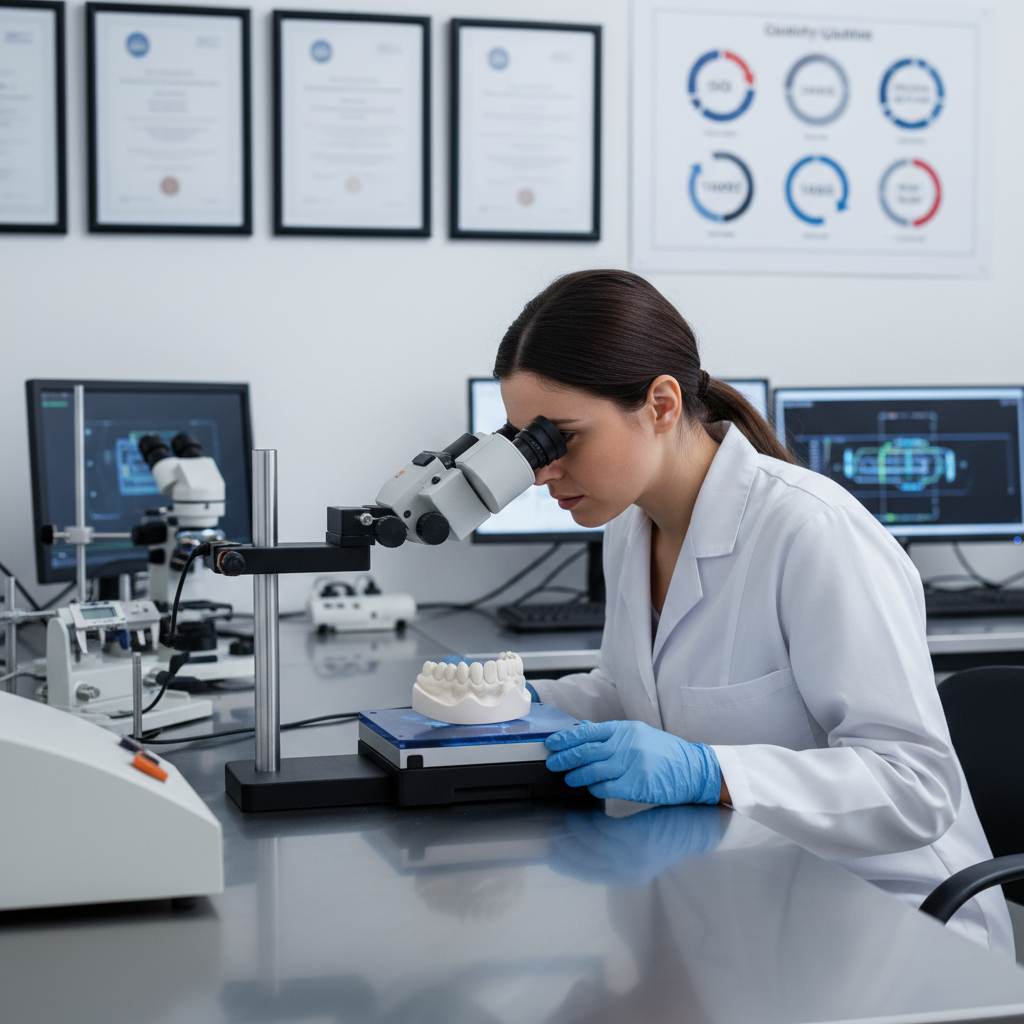
Finding quality suppliers for zirconia arches involves identifying labs that use certified, medical-grade zirconium dioxide and modern CAD/CAM equipment. High-quality zirconia arches are typically produced by manufacturers that follow strict ISO standards and provide warranties on their products. You should look for suppliers who offer a variety of translucency levels and shading options to ensure a custom result. A reputable supplier will be transparent about their manufacturing process and the origin of their raw materials.
Vetting dental manufacturing partners
You should ask your dental provider about the laboratory they use and the specific type of zirconia being utilized. But here is the kicker:
- Verify FDA or CE certification.
- Check for 5-axis milling capabilities.
- Look for multi-layered material options. Choosing the right lab is just as important as choosing the right dentist for a successful outcome.
Ensuring quality control and certification
You want to be certain that your bridge is made from pure materials without any harmful radioactive impurities. Check this out:
- Request material authenticity certificates.
- Ask about warranty periods.
- Confirm hand-finishing by technicians.
| Quality Marker | Why It Matters | |
|---|---|---|
| ISO Certification | Guarantees safety standards | |
| 5-Axis Milling | Ensures perfect anatomical fit | |
| Multi-Layering | Creates natural color gradients |
Partnering with a top-tier manufacturer ensures that your zirconia restoration is safe, beautiful, and built to last.
Key Takeaway: Always ensure your bridge is sourced from a certified lab using high-purity zirconia to guarantee long-term safety and aesthetic success.
Conclusion
This guide has addressed the common concerns regarding the durability, aesthetics, and cost of modern dental bridges. We have shown that zirconia is the premier choice for patients who refuse to compromise on their oral health or the beauty of their smile. Our vision is to lead the dental industry by providing the highest quality zirconium solutions that empower patients to eat, speak, and smile with absolute confidence. If you are ready to transform your life with a permanent, high-strength dental restoration, contact us today to find the perfect solution for your needs.
FAQ
Q1:Can I eat normally with a zirconia bridge?Yes, the extreme strength of the material allows you to enjoy almost any food, though you should still avoid chewing on non-food items like pens or ice.
Q2:What’s the best way to clean under the bridge?The best way is to use a water flosser or specialized bridge floss threaders daily to remove food particles and plaque from the space between the bridge and the gums.
Q3:Can I get a zirconia bridge if I have metal allergies?Absolutely, zirconia is 100% metal-free and biocompatible, making it the safest choice for patients with sensitivities to traditional dental alloys.
Q4:What’s the best way to prevent the bridge from chipping?The best way is to have your dentist check your bite alignment regularly and to wear a custom night guard if you have a history of grinding your teeth.
Q5:Can I replace my old metal bridge with a zirconia one?Yes, most old PFM bridges can be successfully replaced with zirconia to improve both the health of your gums and the overall appearance of your smile.