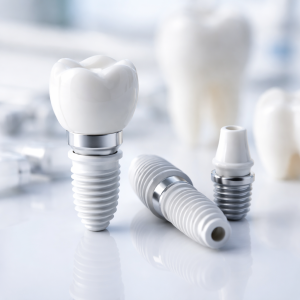
Zirconia dental implants offer a biocompatible, metal-free solution for permanent tooth replacement with superior aesthetic results. Traditional metal implants can lead to visible graying at the gum line and potential allergic sensitivities in patients. This aesthetic compromise and biological reactivity often result in patient dissatisfaction and long-term soft tissue complications. You can solve these challenges by integrating high-performance ceramic systems into your surgical workflow.
Why choose zirconia implants for health?

You choose zirconia implants for health because they are completely metal-free and biocompatible with human tissue. These ceramic components prevent the release of metallic ions into the surrounding bone and bloodstream. You will find that this material is ideal for patients with metal hypersensitivities or those seeking holistic treatment options.
How does biocompatibility benefit your practice?
The biological neutrality of ceramic ensures that the surrounding bone integrates without the inflammatory response sometimes seen with alloys.
- Zero risk of titanium-induced hypersensitivity.
- High resistance to oral chemical corrosion.
- Enhanced long-term stability of the implant site.
Here is the deal: Using inert materials reduces the risk of late-stage complications associated with metal oxidation.
Key Takeaway: Ceramic solutions provide a safer biological profile for a wide range of patient needs.
| Benefit Category | Performance Detail | |
|---|---|---|
| Biocompatibility | Fully bio-inert and non-toxic | |
| Ion Release | Zero metallic particles in tissue | |
| Allergy Risk | Ideal for patients with metal sensitivities |
Are zirconia implants better for gums?
Zirconia implants are better for gums due to their low plaque affinity and superior soft tissue attachment properties. You will notice that the gingiva tends to stay healthy and pink around the ceramic neck. This material facilitates the formation of a tight biological seal that protects the underlying bone.
Does surface texture matter for tissue?
The smooth, non-porous surface of the ceramic minimizes the ability of pathogens to colonize the transmucosal area.
- Lower bacterial biofilm accumulation compared to metal.
- Reduced risk of peri-implant mucositis.
- Stable gingival margins over several years.
But wait, there’s more: Healthy tissue attachment is more predictable when you remove the irritants found in traditional metals.
Key Takeaway: Ceramic surfaces promote a healthier gingival environment and reduce the risk of inflammatory diseases.
| Tissue Metric | Titanium Comparison | Zirconia Performance | |
|---|---|---|---|
| Bacterial Adhesion | Higher risk | Significantly lower | |
| Gingival Color | Potential gray shadows | Natural pink hue | |
| Attachment Strength | Standard | Enhanced fibroblast bonding |
Which design works best for zirconia implants?
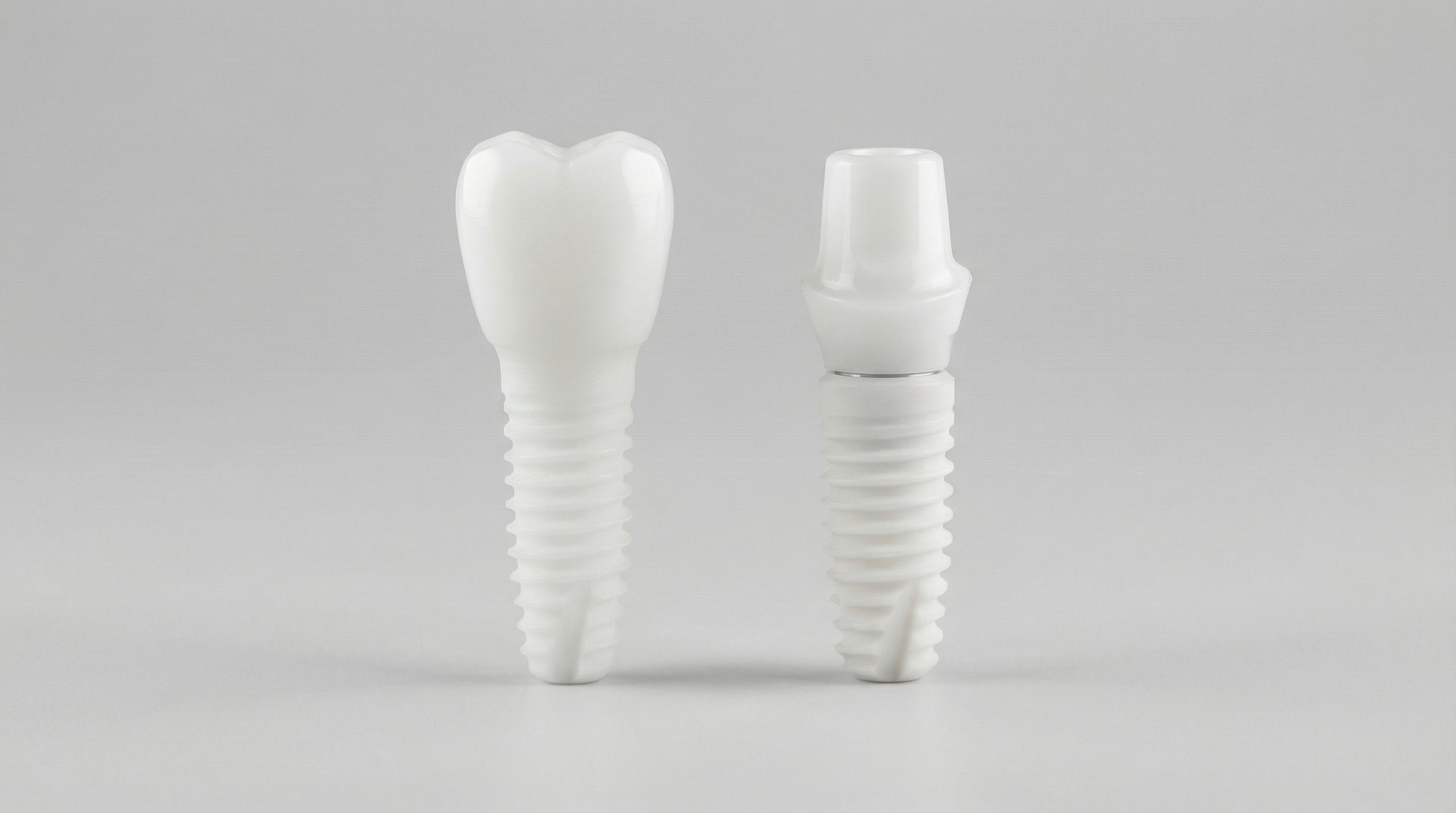
The best design for zirconia implants depends on whether you prioritize the strength of a one-piece system or the versatility of a two-piece configuration. One-piece designs eliminate the micro-gap where bacteria usually hide. However, two-piece systems allow you to adjust the angulation of the abutment for more complex cases.
When should you use a one-piece unit?
One-piece units are excellent for single-tooth replacements where surgical placement can be perfectly controlled.
- Simplified restorative workflow with no screws.
- Maximum structural integrity for posterior loads.
- Immediate provisionalization options for aesthetics.
Think about it: Eliminating the connection interface means there are no screws to loosen or break over time.
Key Takeaway: Selecting between one-piece and two-piece designs allows you to customize the treatment to the patient’s anatomy.
| Design Type | Best Use Case | Main Advantage | |
|---|---|---|---|
| One-Piece | Straightforward single teeth | No micro-gap or screw issues | |
| Two-Piece | Complex angles/Full-arch | High prosthetic flexibility | |
| Monolithic | High-load posterior areas | Maximum fracture resistance |
How does powder quality improve zirconia implants?
Powder quality improves zirconia implants by providing high flexural strength and long-term resistance to hydrothermal degradation. You must use implants made from high-purity, yttria-stabilized powder to ensure they withstand occlusal forces. These premium raw materials prevent the “aging” process that can weaken lower-grade ceramics.
Why is particle size important?
Fine-grained powders create a denser ceramic structure that is more resistant to micro-cracks during functional loading.
- Improved surface smoothness after milling.
- Higher flexural strength exceeding 1000 MPa.
- Excellent resistance to low-temperature degradation.
Look: Starting with superior powder is the only way to guarantee the mechanical longevity your patients expect.
Key Takeaway: High-purity powders are the foundation of a durable and reliable ceramic implant system.
| Property | Standard Grade | Premium Yttria-Stabilized | |
|---|---|---|---|
| Flexural Strength | <850 MPa | >1100 MPa | |
| Phase Stability | Moderate | Excellent | |
| Grain Uniformity | Variable | High Density |
Can zirconia implants eliminate gray shadows?
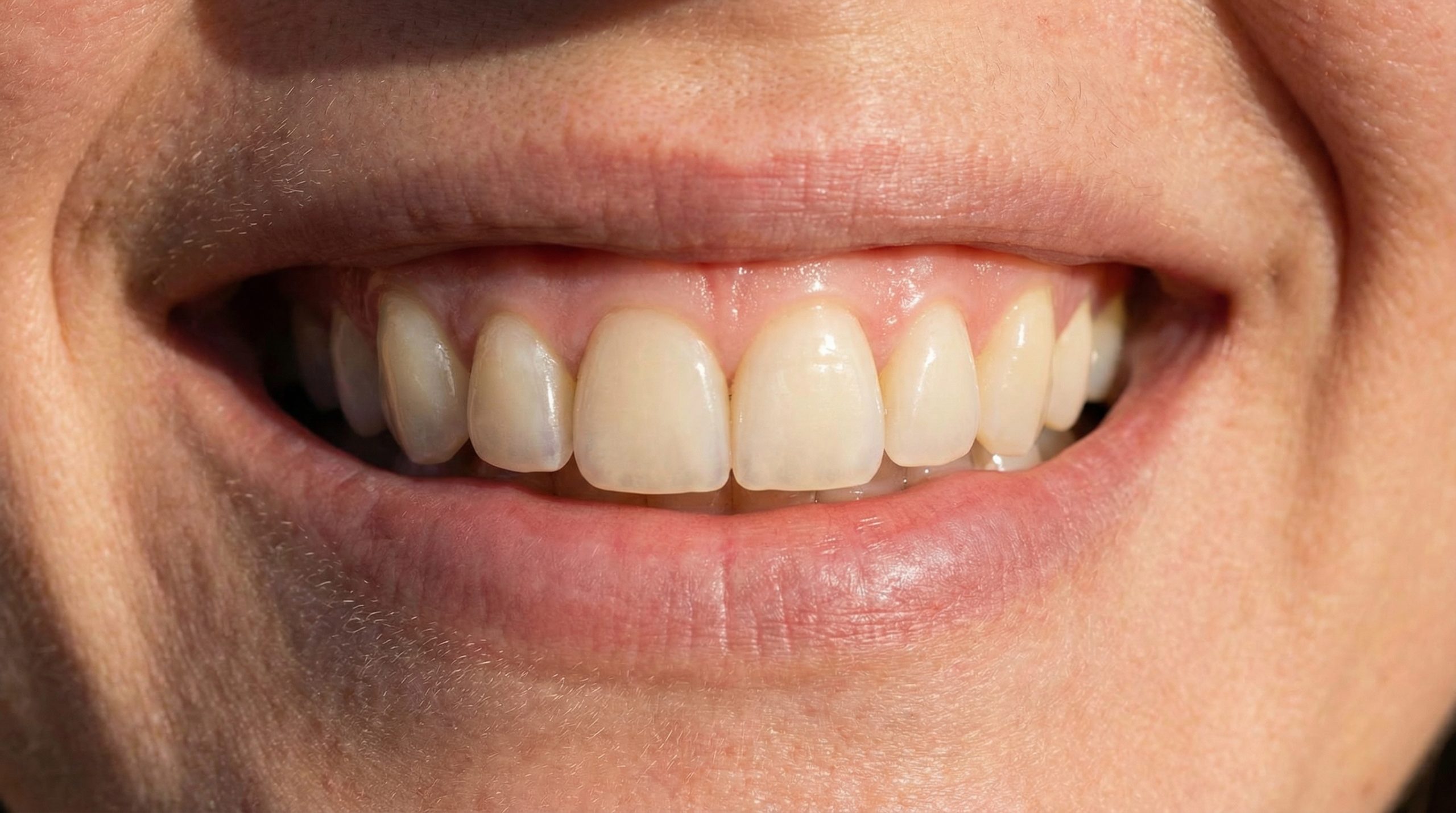
Zirconia implants eliminate gray shadows because their white, tooth-colored structure mimics the natural appearance of a tooth root. This is a game-changer for patients with thin gingival biotypes where metal often creates a dark halo. You can achieve seamless transitions from the crown to the gum line every time.
How does translucency help aesthetics?
Ceramic materials allow light to pass through the tissue, reflecting the natural vitality of the patient’s smile.
- No dark lines at the gingival margin.
- Consistent color under different lighting conditions.
- Better shade matching with adjacent natural teeth.
Let’s be honest: Your patients will be much happier when they cannot distinguish the implant from their real teeth.
Key Takeaway: The optical properties of ceramic make it the gold standard for high-end aesthetic restorations.
| Aesthetic Factor | Metal Implants | Zirconia Implants | |
|---|---|---|---|
| Light Path | Blocked (opaque) | Natural transmission | |
| Margin Look | Potential graying | Seamlessly white | |
| Gingival Glow | Dull | Vibrant and healthy |
How durable are modern zirconia implants in use?
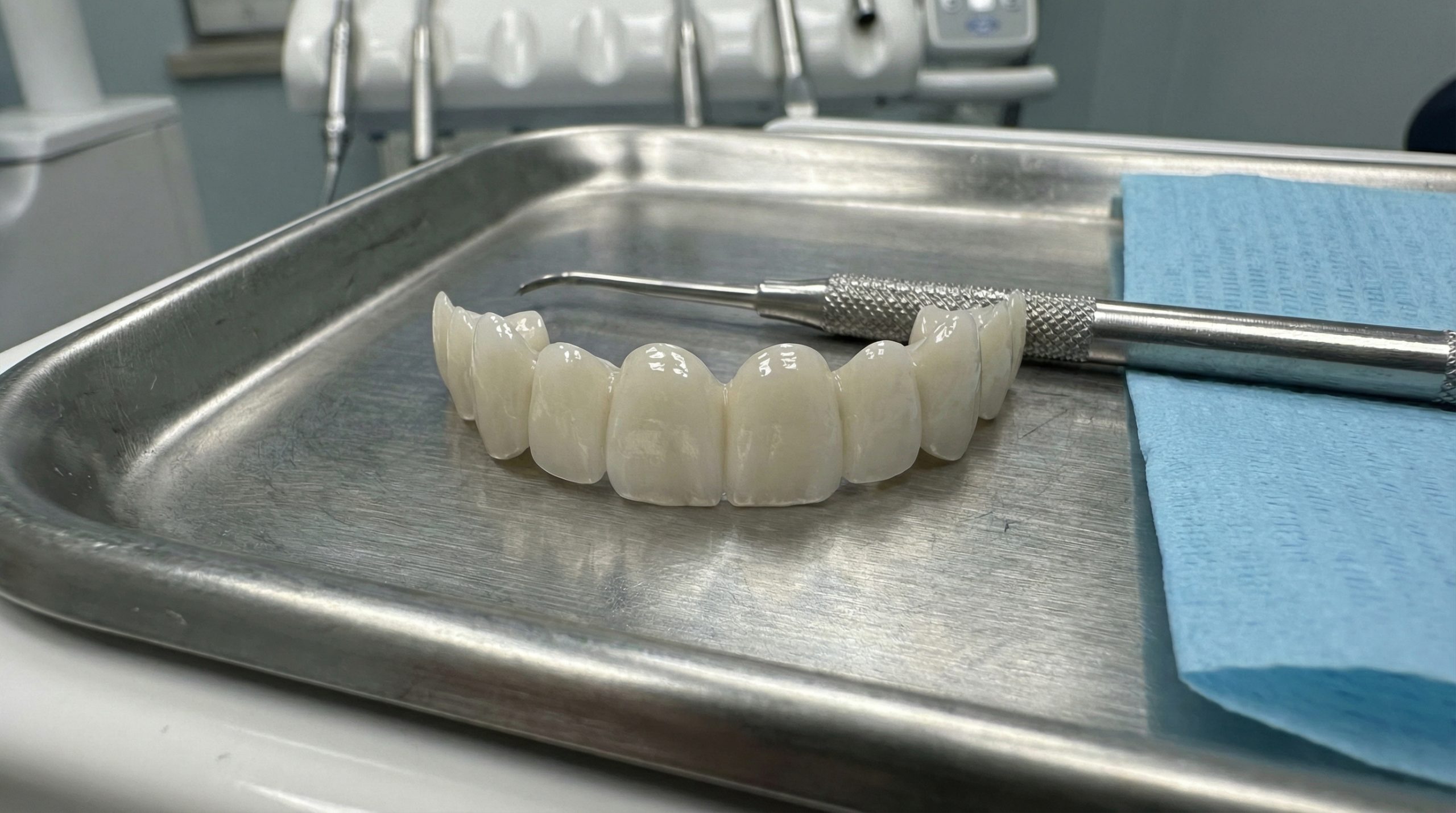
Modern zirconia implants are exceptionally durable, showing clinical success rates that rival traditional titanium alternatives over long-term periods. You can confidently place these in the posterior region where chewing forces are highest. Manufacturing advancements have made the material resistant to fractures and wear.
Can they handle heavy occlusal loads?
The high fracture toughness of modern ceramics allows them to resist the stresses of bruxism and heavy biting.
- Resistance to cyclic fatigue.
- Stabilized tetragonal phase for self-healing properties.
- Durability for multi-unit bridge supports.
But that’s not all. Advances in CAD/CAM technology ensure that every implant is milled to exact tolerances for maximum strength.
Key Takeaway: Today’s ceramic implants are engineered to last decades under normal functional loading.
| Durability Factor | Performance Level | Benefit | |
|---|---|---|---|
| Fracture Toughness | Very High | Resists chipping/cracking | |
| Fatigue Strength | Excellent | Long-term functional use | |
| Aging Resistance | High | Stable in moist environments |
Is surgical protocol different for zirconia implants?
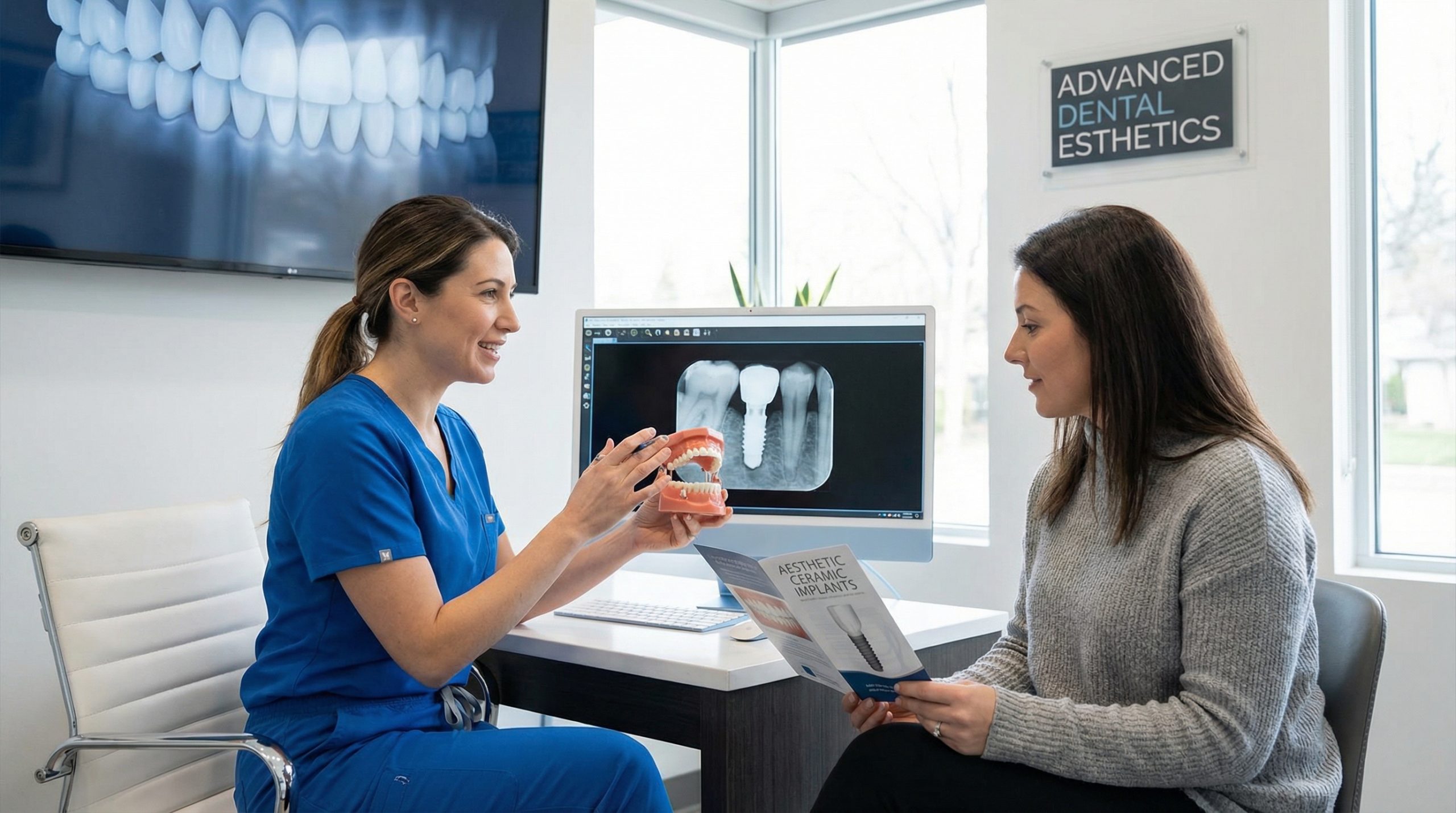
The surgical protocol for zirconia implants is similar to titanium but requires specialized irrigation and strict torque management. You must ensure the bone does not overheat during the drilling sequence, as ceramic does not dissipate heat like metal. Maintaining primary stability without over-compressing the bone is the key to success.
Why is irrigation so critical?
Ceramic acts as an insulator, so you must use high volumes of saline to keep the osteotomy site cool.
- Use sharp, single-use drills for every case.
- Apply an intermittent drilling technique to avoid heat buildup.
- Strictly follow the manufacturer’s recommended RPM settings.
You may be wondering: Does this change the healing time? Typically, the osseointegration period remains the same as metal options.
Key Takeaway: Precise temperature control and moderate insertion torque are the secrets to ceramic osseointegration.
| Surgical Step | Titanium Requirement | Zirconia Requirement | |
|---|---|---|---|
| Irrigation | Standard | Intensive/Continuous | |
| Insertion Torque | High (35-45 Ncm) | Moderated (25-35 Ncm) | |
| Drilling Speed | Standard | Low-speed sequence |
What restorations complement zirconia implants best?

All-ceramic monolithic crowns complement zirconia implants best by maintaining a completely metal-free restorative ecosystem. You should avoid porcelain-fused-to-metal (PFM) crowns to prevent compromising the biological benefits of the implant. Using monolithic materials also provides the strength needed for long-term wear resistance.
Should you prefer screw-retained options?
Screw-retained restorations are often preferred because they allow for easy maintenance without the risks of subgingival cement.
- No risk of cement-induced peri-implantitis.
- Easy retrieval for professional cleaning or adjustment.
- Superior biological response from the gingival tissue.
Here’s the kicker: A screw-retained ceramic crown on a ceramic implant is the ultimate holistic restorative solution.
Key Takeaway: A 100% metal-free restorative chain offers the best aesthetic and biological results.
| Restoration Type | Best Advantage | Material Choice | |
|---|---|---|---|
| Screw-Retained | High safety/Retrievability | Monolithic Zirconia | |
| Cement-Retained | No access hole | High-Translucency Ceramic | |
| Multi-Unit Bridge | Spans larger gaps | High-Strength Zirconia |
Why are patients requesting zirconia implants now?
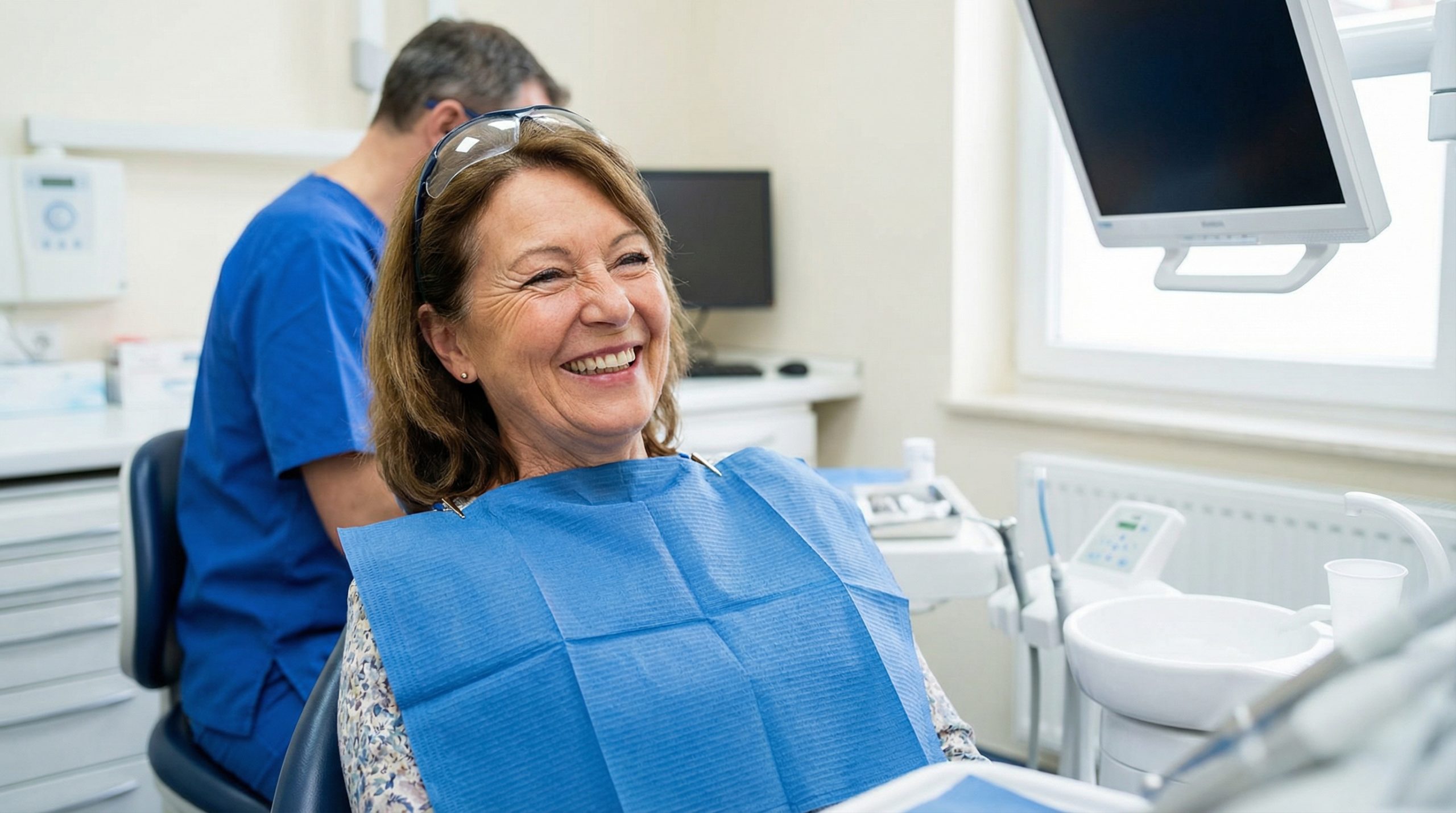
Patients are requesting zirconia implants because they desire holistic, metal-free healthcare options that prioritize aesthetics. Many are becoming aware of potential metal allergies and prefer materials that feel more natural in their bodies. Offering these solutions can significantly increase your practice’s appeal to high-end, health-conscious demographics.
Is the market for metal-free dentistry growing?
There is a massive shift toward biocompatible materials in all areas of medicine, including dental implantology.
- Increased patient inquiries about metal-free options.
- Growth in the wellness and holistic healthcare sectors.
- High value placed on natural-looking “perfect” smiles.
Specifically: Patients are often willing to pay a premium for materials they perceive as being healthier and more beautiful.
Key Takeaway: Adopting ceramic technology helps you capture a growing market segment that avoids traditional metal.
| Market Driver | Patient Priority | Practice Benefit | |
|---|---|---|---|
| Holistic Health | Metal-free materials | Differentiated service | |
| Aesthetics | No gray gum lines | Higher patient satisfaction | |
| Technology | Modern solutions | Leadership in innovation |
How do you start using zirconia implants today?
You start using zirconia implants today by partnering with a reliable supplier that offers high-purity ceramic components. Integrating these into your practice requires minimal changes to your existing surgical kit but adds immense value to your clinical portfolio. Taking this step ensures you stay ahead of the curve in dental technology.
What are the first steps for implementation?
Begin by identifying cases with high aesthetic demands or patients who specifically request metal-free alternatives.
- Review surgical protocols for temperature management.
- Source high-quality yttria-stabilized components.
- Train your restorative team on ceramic-to-ceramic connections.
In fact: Doctors who switch to ceramic often find it becomes their primary recommendation for the anterior zone.
Contact us today to discover how our premium ceramic solutions can transform your restorative outcomes and patient satisfaction.
Key Takeaway: Transitioning to ceramic is a strategic investment in the future of your professional career.
| Implementation Step | Action | Objective | |
|---|---|---|---|
| Sourcing | Find a high-purity supplier | Ensure material strength | |
| Case Selection | Target anterior/thin biotype | Prove aesthetic results | |
| Education | Learn torque & heat rules | Guarantee success rates |
Frequently Asked Questions
Are zirconia implants as strong as titanium?Yes, modern yttria-stabilized zirconia has a flexural strength of over 1000 MPa, making it durable enough for both anterior and posterior tooth replacement.
Do zirconia implants integrate with the bone?Absolutely. Clinical studies show that zirconia is osseoconductive, meaning bone cells grow directly onto the surface, providing stability similar to titanium.
Can I use zirconia implants for patients with gum disease?While the disease must be treated first, zirconia is an excellent choice because its smooth surface resists the bacterial plaque that causes gum inflammation.
How long do these ceramic implants typically last?When placed correctly and maintained with good oral hygiene, ceramic implants are designed to last for decades, showing excellent mid-to-long-term survival rates.
Will my patients notice a difference in feel?Most patients report that ceramic feels very natural and “warm” compared to metal, likely due to its low thermal conductivity and excellent tissue integration.