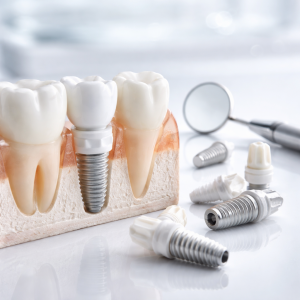
Zirconia implants are non-metallic, ceramic tooth root replacements made from zirconium dioxide that offer a biocompatible and aesthetic alternative to traditional titanium. Imagine you are dealing with a missing tooth that makes you self-conscious during high-stakes business meetings or social gatherings. This gap affects your speech and confidence, yet you remain hesitant about placing metal alloys permanently into your jawbone. Fortunately, zirconia implants provide a durable, metal-free solution that mimics the natural root structure for a seamless result.
What are zirconia implants and why are they popular?
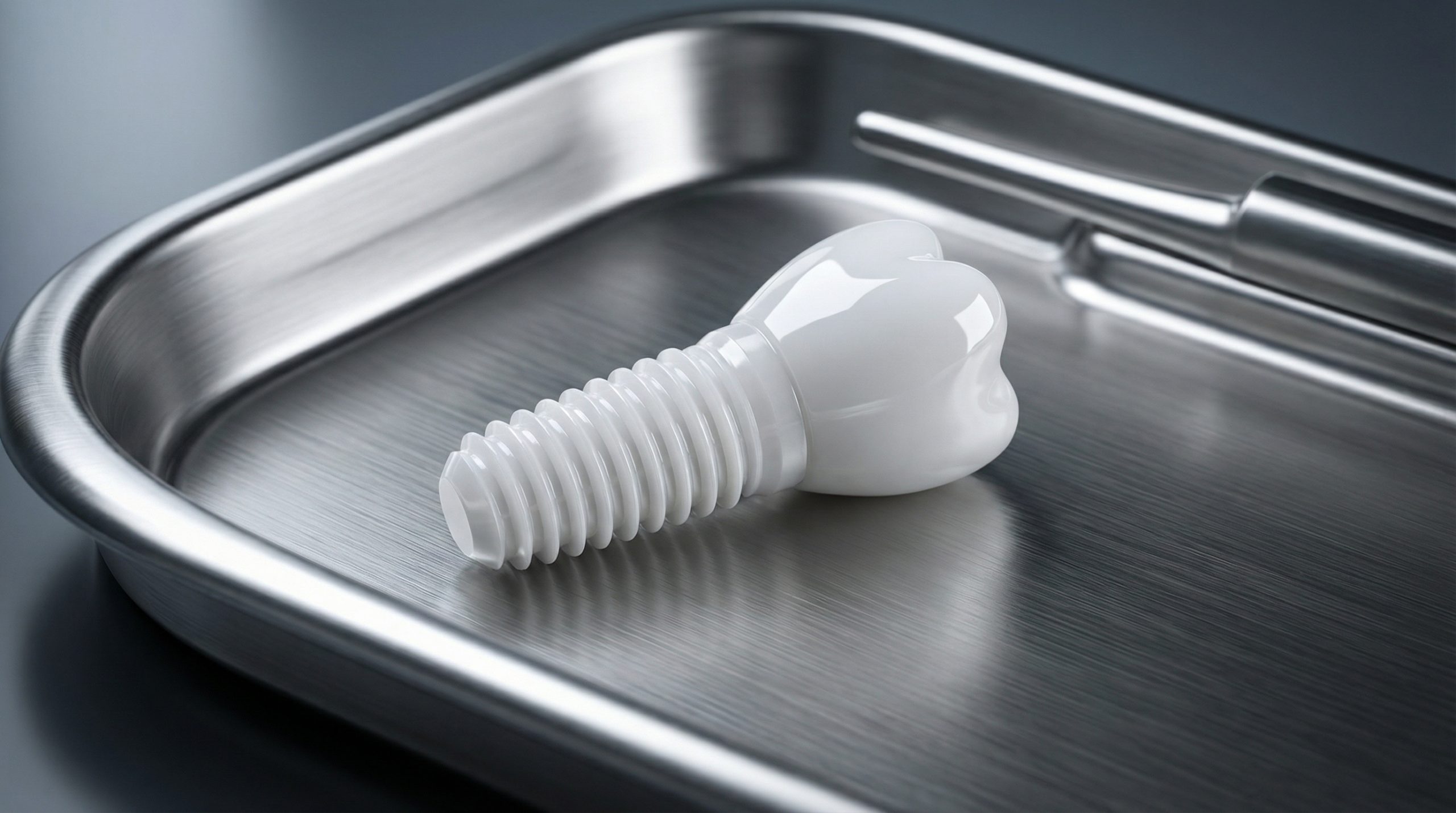
Zirconia implants are high-strength ceramic posts designed to replace missing tooth roots without the use of metal. These zirconia implants have surged in popularity because they offer a tooth-colored, “white” foundation that integrates beautifully with both the bone and the gum tissue.
The shift toward metal-free dentistry is driven by a growing demand for holistic and biocompatible restorative options. Many patients now prefer materials that do not risk metal oxidation or cause gray lines at the gum margin.
Understanding the basics of ceramic dentistry
You might be wondering:
- High aesthetic appeal for patients with thin gum biotypes.
- Zero risk of metal oxidation or long-term corrosion.
- Excellent biocompatibility with surrounding soft tissues.
These systems are often manufactured as high-purity crystalline units that function effectively as tooth root replacements. Their structural integrity allows them to withstand significant biting forces while maintaining a natural appearance.
| Feature | Benefit | |
|---|---|---|
| Color | Natural white to match dentin | |
| Material | Zirconium dioxide ceramic | |
| Tissue Response | High soft-tissue compatibility |
This table illustrates why ceramic options are becoming the preferred choice for front-tooth restorations.
Key Takeaway: Zirconia offers a metal-free, white-colored alternative that prioritizes both systemic health and natural aesthetic appearance.
How do material properties define zirconia implants?
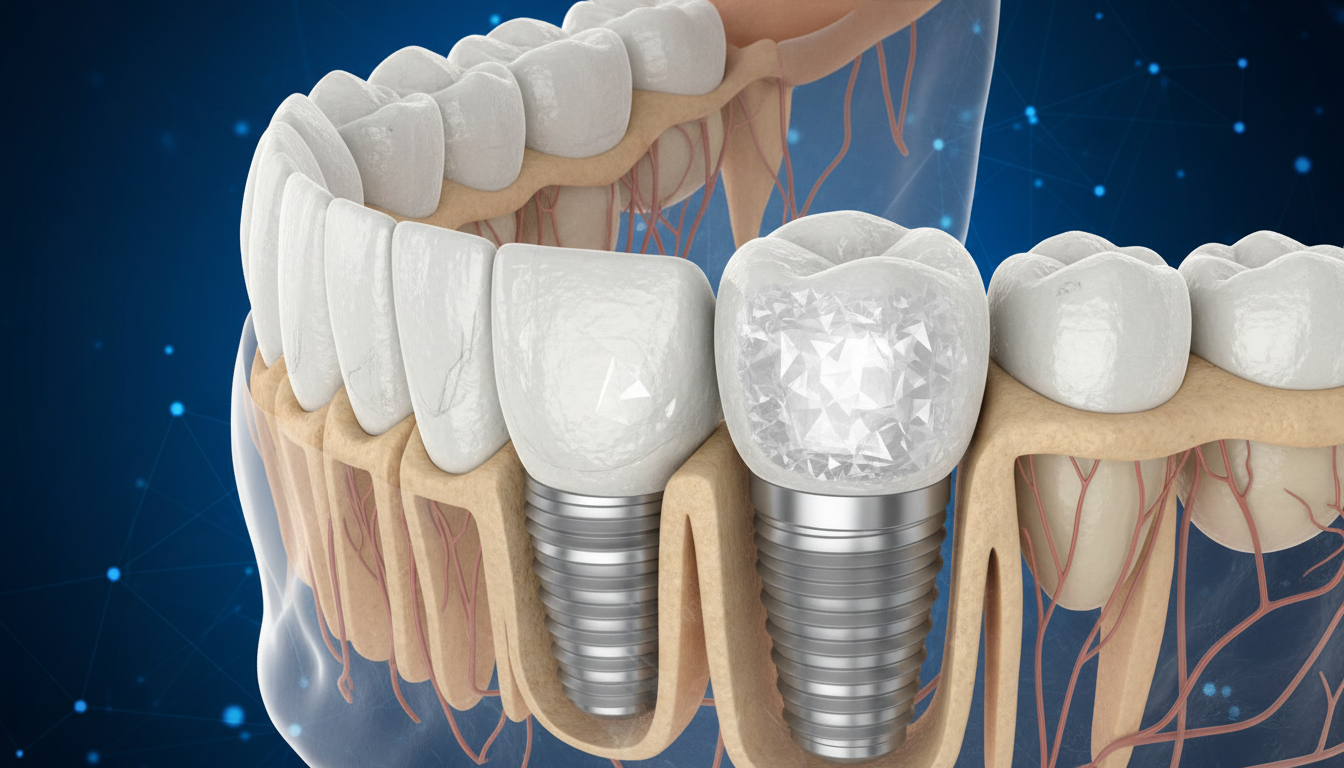
Zirconia implants are defined by their exceptional flexural strength and high resistance to chemical corrosion or thermal degradation. The material is technically a ceramic, but its mechanical properties are often compared to those of steel due to its crystalline structure.
This material also features low thermal conductivity, which is a major advantage for patients sensitive to temperature changes. It ensures that hot or cold stimuli do not transfer quickly to the underlying jawbone or nerves.
The role of zirconium dioxide in strength
Think about it:
- Superior flexural strength compared to standard glass-ceramics.
- High Vickers hardness for exceptional long-term wear resistance.
- Low thermal expansion for a consistent, precise fit.
The “transformation toughening” process allows the material to resist fracture propagation by changing its crystal structure under stress. This unique physical property ensures the component remains stable even under intense daily masticatory pressure.
| Property | Benefit | |
|---|---|---|
| Flexural Strength | Resists heavy biting forces | |
| Thermal Conductivity | Minimizes temperature sensitivity | |
| Crystalline Structure | Prevents crack propagation |
The industrial-grade strength of these ceramics ensures a reliable long-term foundation for any dental prosthetic.
Key Takeaway: The physical properties of zirconia provide a unique balance of industrial-level durability and biological safety.
What is the average cost of zirconia implants?
The average cost of zirconia implants typically ranges from
1,500to
7,000 per unit, reflecting their premium material status. Because the manufacturing process for high-purity ceramics is more complex than metal casting, the initial investment is often higher for the patient.
However, many clinicians argue that the long-term aesthetic and health value justifies this price point. Choosing a material that avoids future gum discoloration can save on revision costs in the future.
Factors influencing total procedure price
Here is the bottom line:
- Specialized manufacturing of medical-grade ceramic components.
- Advanced surgical training required for precise ceramic placement.
- Custom-shaded restorative crowns required for optimal aesthetics.
Total costs also include diagnostic imaging, such as 3D CBCT scans, which are essential for planning the surgery. If you require bone grafting or sinus lifts, these preparatory steps will naturally increase the final bill.
| Cost Factor | Impact on Price | |
|---|---|---|
| Material Purity | High due to specialized processing | |
| Surgical Complexity | Moderate to High based on anatomy | |
| Restorative Components | Premium costs for matching crowns |
Understanding these variables helps you budget effectively for a high-end, long-lasting dental restoration.
Key Takeaway: While the initial investment is higher, the aesthetic and biocompatible benefits often justify the total procedure cost.
What are the primary benefits of zirconia implants?
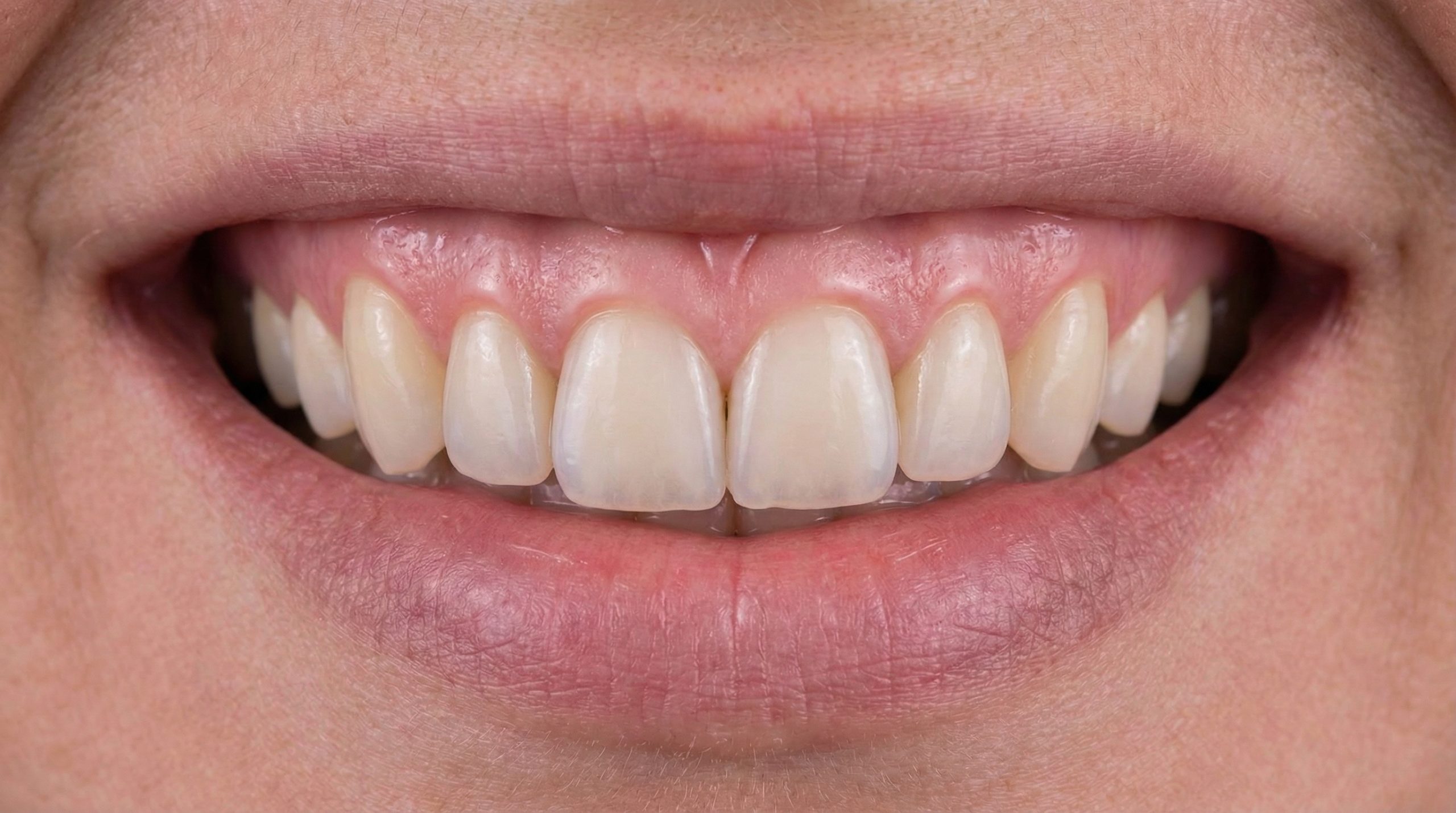
The primary benefits of zirconia implants include superior aesthetics, high biocompatibility, and a reduced risk of plaque accumulation. Because they are white, these implants eliminate the risk of a “dark line” appearing at the gum line if tissue recession occurs.
Furthermore, the inert nature of the ceramic ensures that your body does not react negatively to the restoration. This makes them a safer choice for patients with various systemic sensitivities.
Aesthetic advantages of white ceramic material
But wait, there’s more:
- Natural light reflection and translucency similar to enamel.
- Enhanced soft tissue attachment for healthier-looking gums.
- Reduced risk of bacterial biofilm and plaque adhesion.
The translucency of the material mimics natural dentin, allowing light to pass through just like a real tooth. This is especially beneficial for patients with thin gum tissue where metal would otherwise cast a gray shadow.
| Benefit Category | Specific Advantage | |
|---|---|---|
| Visual | Natural tooth-like color and translucency | |
| Biological | Non-reactive and hypoallergenic profile | |
| Maintenance | Naturally resists bacterial biofilm buildup |
These advantages make ceramic systems the gold standard for achieving an invisible and healthy restoration.
Key Takeaway: Zirconia is the premier choice for patients prioritizing a holistic, invisible, and biologically harmonious restoration.
Are there specific risks with zirconia implants?
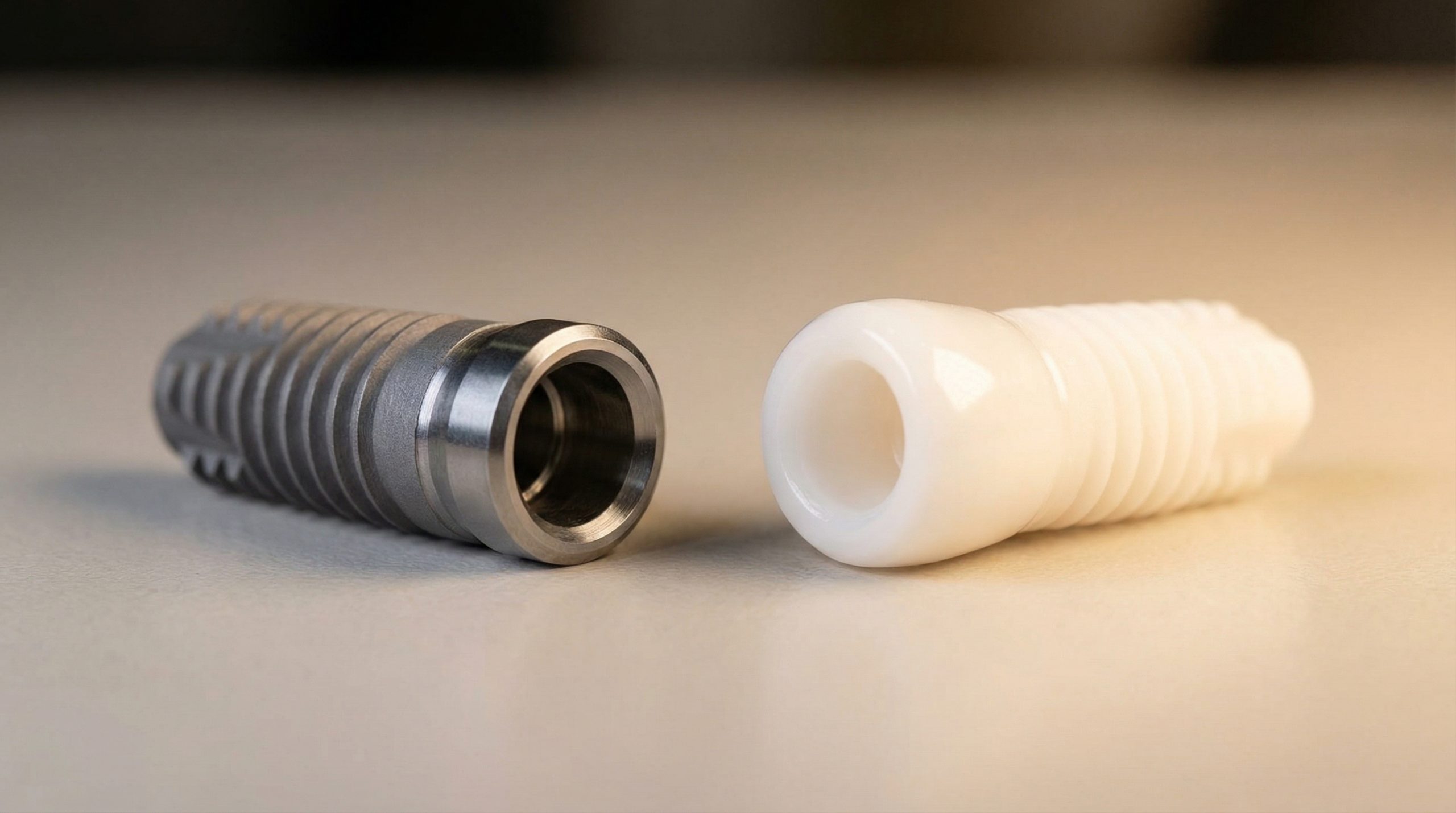
The specific risks of zirconia implants include potential material brittleness and the requirement for extreme surgical precision. Unlike ductile metals, ceramics do not flex, meaning any misalignment during surgery can lead to localized stress and potential fracture.
Clinicians must be highly experienced in handling these components to ensure success. Because the material is so rigid, the surgical plan must account for every millimeter of biting force distribution.
Analyzing fracture resistance and brittleness
It gets even more interesting:
- Sensitivity to extreme lateral biting forces during chewing.
- Requirement for high precision in surgical alignment.
- Potential for microscopic aging in moist environments.
While modern high-purity zirconia is incredibly strong, it can be susceptible to “low-temperature degradation” over many years. This is why selecting a high-quality supplier and an expert surgeon is critical for minimizing long-term structural risks.
| Risk Factor | Mitigation Strategy | |
|---|---|---|
| Brittleness | Use of high-diameter posts where possible | |
| Placement Error | 3D guided surgical planning software | |
| Surface Aging | Selection of high-purity medical ceramics |
Successful risk management involves careful patient screening and utilizing the latest 3D surgical guidance technology.
Key Takeaway: Risk management for ceramic restorations involves careful patient selection and expert surgical planning.
Why choose zirconia implants over titanium options?
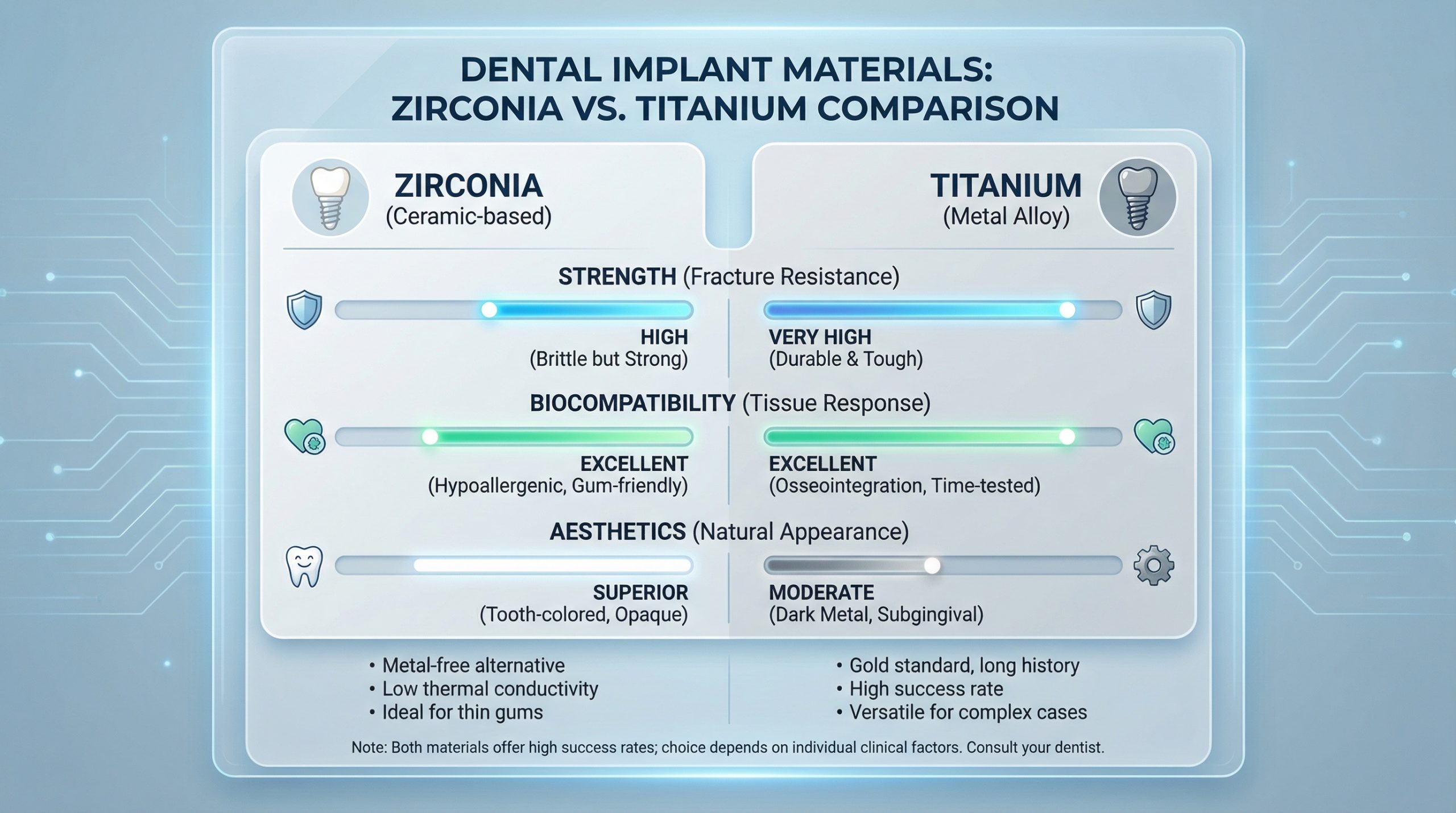
You should choose zirconia implants over titanium if you have metal sensitivities or if you prioritize the highest level of dental aesthetics. Ceramics are completely non-conductive, meaning they eliminate the risk of oral galvanism, which occurs when different metals in the mouth create electrical currents.
Studies also show that ceramic surfaces attract fewer bacteria than titanium. This helps promote better long-term periodontal health and reduces the chance of inflammation around the implant site.
Comparing metal-free benefits to traditional alloys
Look at it this way:
- Zero electrical conductivity for a non-galvanic oral environment.
- Superior gum tissue compatibility and attachment.
- Lower bacterial adhesion rates for easier hygiene.
Titanium remains a durable option, but it cannot match the natural color of ceramic. Over time, metal ions can leach into the surrounding tissue, a process that is entirely avoided with high-purity zirconium dioxide.
| Feature | Zirconia | Titanium | |
|---|---|---|---|
| Color | White/Tooth-colored | Metallic Grey | |
| Allergy Risk | Extremely Low | Low (Metal sensitive) | |
| Conductivity | Non-conductive | Conductive |
The choice between these materials often comes down to your personal health philosophy and aesthetic requirements.
Key Takeaway: Zirconia is the ideal choice for health-conscious patients seeking a metal-free, biologically inert environment.
How are zirconia implants applied in full reconstructions?
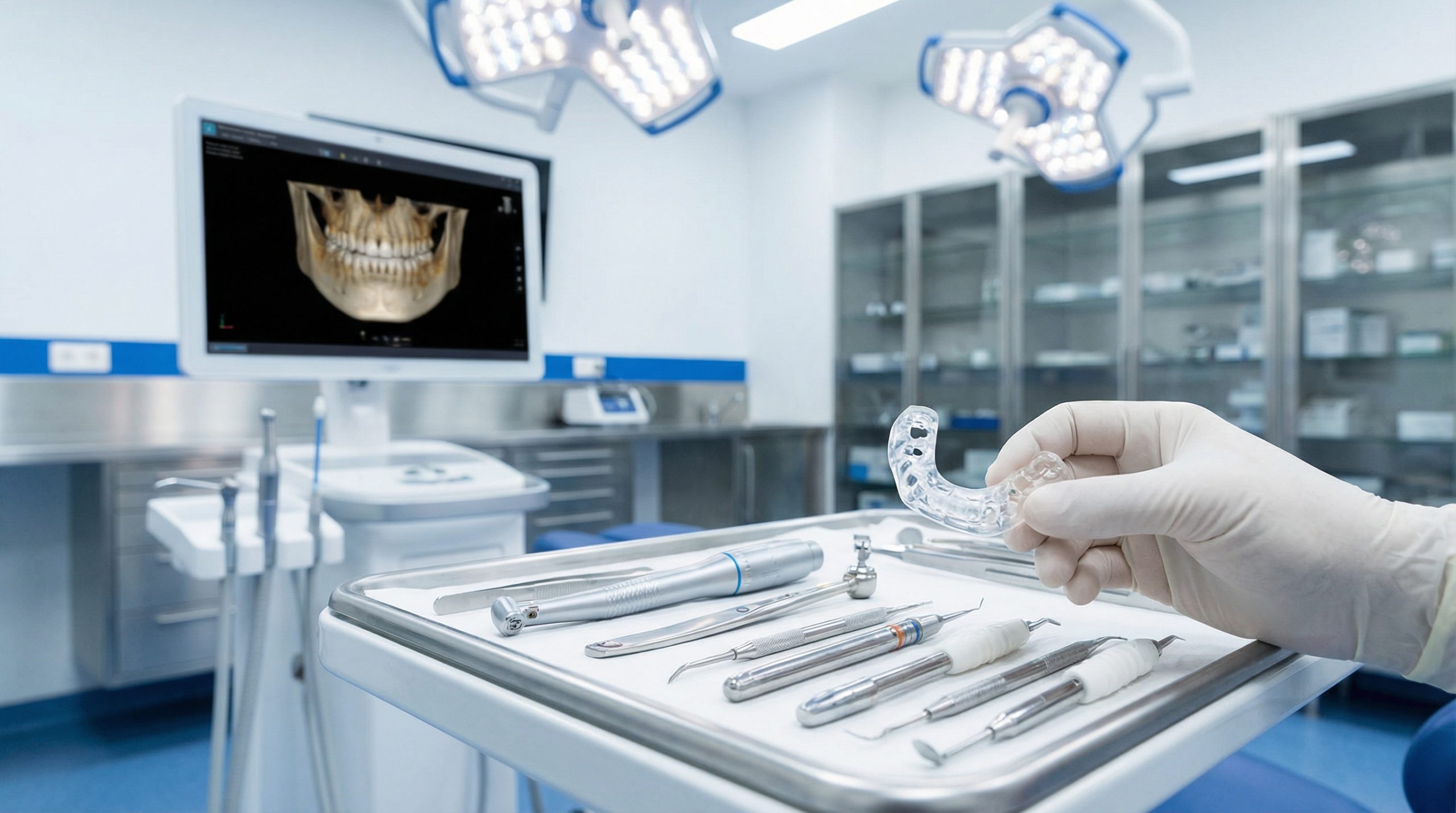
Zirconia implants are applied in full reconstructions by acting as anchor points for complete ceramic bridges or arches. For patients missing all their teeth, multiple zirconia implants can support a monolithic bridge that looks and feels like natural dentition.
The strength of the material allows it to support the heavy loads required for full-arch restorations. These complex cases benefit significantly from the material’s durability and its ability to blend with the natural soft tissues.
Using zirconia arches for comprehensive restoration
This is the best part:
- Support for fixed-hybrid dentures without metal frames.
- Monolithic bridge options for maximum structural durability.
- Full-mouth rehabilitation with a natural, lightweight feel.
These arches are often milled from solid blocks of ceramic using CAD/CAM technology. This ensures a perfect fit and high density, making the final restoration both lightweight and incredibly resistant to daily wear.
| Application | Advantage | |
|---|---|---|
| Single Tooth | Perfect aesthetic blending in the front | |
| Multi-unit Bridge | Strong spanning capability for gaps | |
| Full Arch | Metal-free total mouth reconstruction |
Comprehensive restorations using ceramic posts offer a life-changing solution that restores both function and beauty.
Key Takeaway: Ceramic systems provide a robust and beautiful framework for total smile transformations and full-mouth health.
How long can you expect zirconia implants to last?
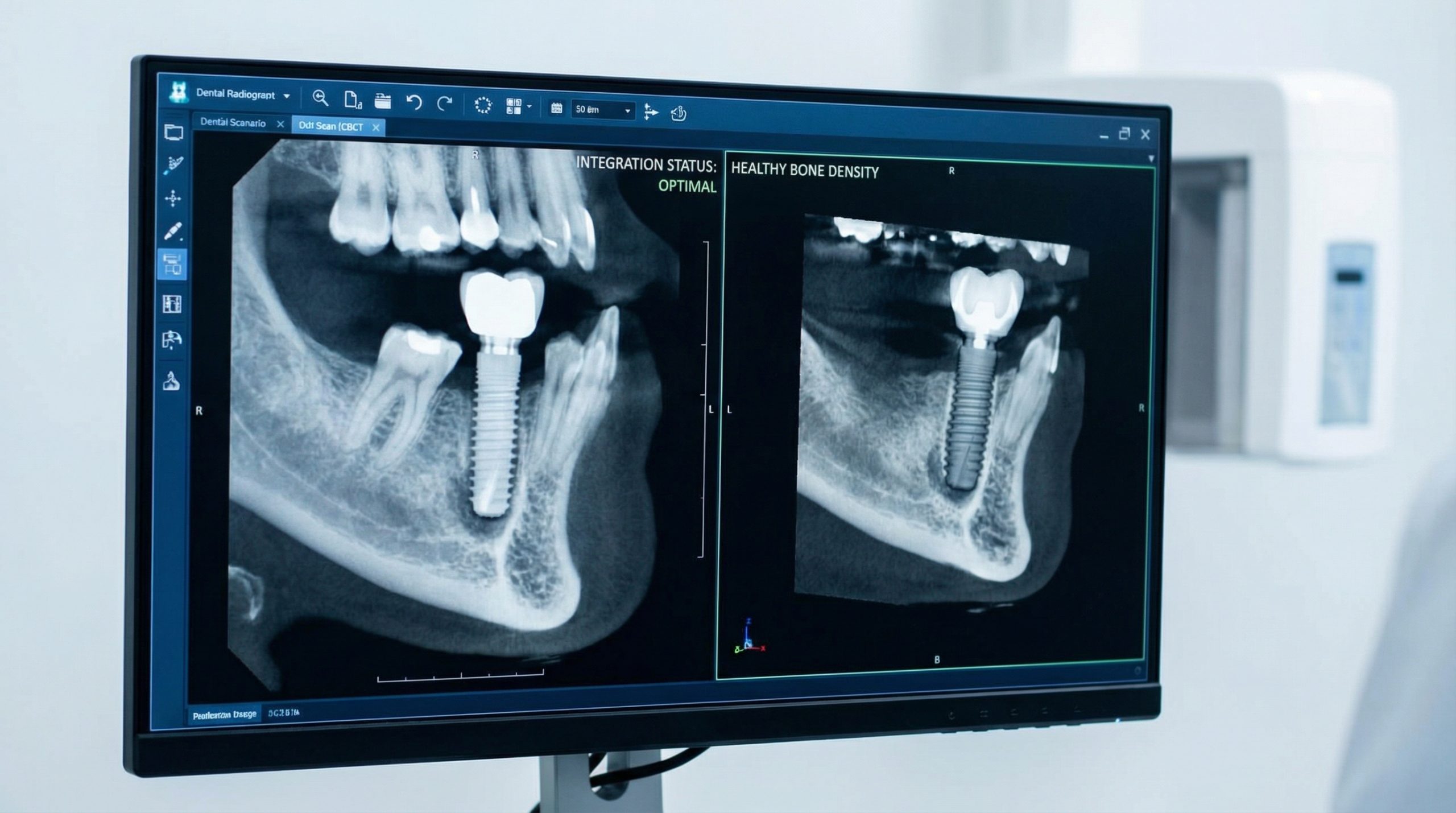
You can expect zirconia implants to last between 10 to 15 years, though many remain successful for much longer with proper maintenance. Their longevity is primarily determined by how well the ceramic surface fuses with your jawbone during the initial healing phase.
Success rates for ceramic restorations are now approaching those of traditional metal options. Maintaining excellent oral hygiene is the most critical factor in ensuring your investment remains stable for decades.
Maintenance protocols for long-term success
The truth is:
- Routine flossing around the restorative margin daily.
- Use of non-abrasive dental pastes to protect the surface.
- Bi-annual professional assessments by your dentist.
Standard hygiene practices like brushing and flossing prevent biofilm buildup, which is the leading cause of implant failure. Regular check-ups allow your dentist to monitor bone levels and ensure the restoration remains properly aligned.
| Success Factor | Patient Action | |
|---|---|---|
| Bone Health | Proper nutrition and avoiding smoking | |
| Hygiene | Daily flossing and gentle brushing | |
| Stability | Wearing night guards if grinding occurs |
While the material is permanent, the health of the supporting bone and gums depends entirely on your daily care.
Key Takeaway: With diligent oral hygiene and professional monitoring, ceramic restorations serve as a long-term solution for tooth loss.
Who is the ideal candidate for zirconia implants?
The ideal candidate for zirconia implants is a patient with adequate bone density who seeks a metal-free, highly aesthetic restorative solution. This includes individuals with known metal allergies or those who follow a holistic approach to their healthcare.
A solid foundation in the jaw is necessary to support the rigid ceramic post. Patients must also have healthy gum tissue to ensure the best possible aesthetic outcome and long-term stability.
Managing metal allergies and sensitivities
You should know:
- Excellent for patients with thin or recessed gum tissue.
- The only viable option for individuals with metal hypersensitivity.
- Preferred by people seeking holistic, biocompatible dental care.
Many patients choose ceramic even without a diagnosed allergy simply to avoid the presence of metals. This aligns with modern health trends that prioritize bio-inert materials that do not interfere with the body’s natural systems.
| Candidate Profile | Why Zirconia? | |
|---|---|---|
| Metal-Sensitive | Completely hypoallergenic material profile | |
| High Smile Line | White color hides better than gray metal | |
| Holistic Patient | Metal-free and biologically harmonious |
If you value both systemic wellness and a perfect smile, you are likely an excellent candidate for this technology.
Key Takeaway: Zirconia is the premier solution for patients who prioritize biocompatibility and high-end aesthetic results.
What are common FAQs about zirconia implants?
Common FAQs about zirconia implants often focus on their durability compared to titanium and the specifics of the surgical procedure. Modern industrial ceramics are engineered to perform similarly to metal alloys, dispelling the myth that “ceramic” means “fragile.”
While the technology is newer than traditional options, it has a proven track record of over three decades. Most patient concerns are easily addressed by understanding the material’s advanced engineering.
Can zirconia crack under high pressure?
Let’s dig deeper:
- Osseointegration period typically lasts 3-6 months.
- Full compatibility with standard high-end ceramic crowns.
- Success rates are now comparable to traditional alloys.
While cracking is possible, it is extremely rare with modern high-purity materials. Engineers have optimized the crystal structure to absorb energy rather than shatter, making them reliable for most biting conditions.
Is the surgical procedure different?
The placement process is very similar to traditional methods, requiring a sterile environment and precise drilling. Healing times are also comparable, as the bone needs several months to fuse with the ceramic surface before the final tooth is attached.
| Concern | Reality | |
|---|---|---|
| Durability | Highly resistant to daily biting stress | |
| Surgery | Standard minimally invasive protocols | |
| Success | High rates with proper surgical planning |
Advancements in material science have made these implants a highly reliable and predictable dental solution.
Key Takeaway: Most patient concerns are addressed by the high success rates and material advancements in modern ceramic dentistry.
Conclusion
Deciding on the best path for your oral restoration requires a careful balance of health goals and aesthetic desires. By choosing ceramic solutions, you solve the problem of missing teeth while avoiding the potential drawbacks of metallic components. Our vision is to provide materials that align with your body’s natural biology while delivering a flawless, functional smile. If you are ready to explore the benefits of a metal-free smile, contact us today to find more information on the latest in biocompatible materials.
Frequently Asked Questions
Can I get zirconia implants if I have a metal allergy?Yes. Zirconia is a 100% metal-free ceramic material, making it the safest and most effective choice for patients with titanium or nickel sensitivities.
What’s the best way to clean my ceramic implants?Daily brushing and flossing are essential. You should use a soft-bristled brush and non-abrasive toothpaste to maintain the smooth surface and prevent plaque buildup.
Can zirconia implants be used for a full mouth of teeth?Absolutely. They are frequently used in “all-on-x” configurations to support full bridges, providing a strong and beautiful metal-free reconstruction for the entire mouth.
What’s the most significant difference between zirconia and titanium?The main difference is aesthetics and conductivity. Zirconia is tooth-colored and non-conductive, whereas titanium is metallic gray and can conduct heat and electrical currents.
Can I expect a shorter healing time with ceramic implants?Not necessarily. The healing time, or osseointegration, generally takes 3 to 6 months for both materials, as the bone requires a set period to fuse with the implant surface.