Deciding between dental materials can feel overwhelming when you need a restoration that balances durability with a natural look. Making the wrong choice often leads to cracked crowns, unmatched shades, or costly replacements just a few years down the line. Zirconia crowns offer superior strength and longevity, while porcelain provides unmatched translucency for cosmetic perfection. Zirconia crowns are distinguished by their exceptional durability and fracture resistance, whereas porcelain crowns are renowned for their superior natural aesthetics and translucency. To ensure the highest quality restoration, it is essential to understand the properties of the Zirconia Crown materials available today.
What Is a Zirconia Crown Exactly?
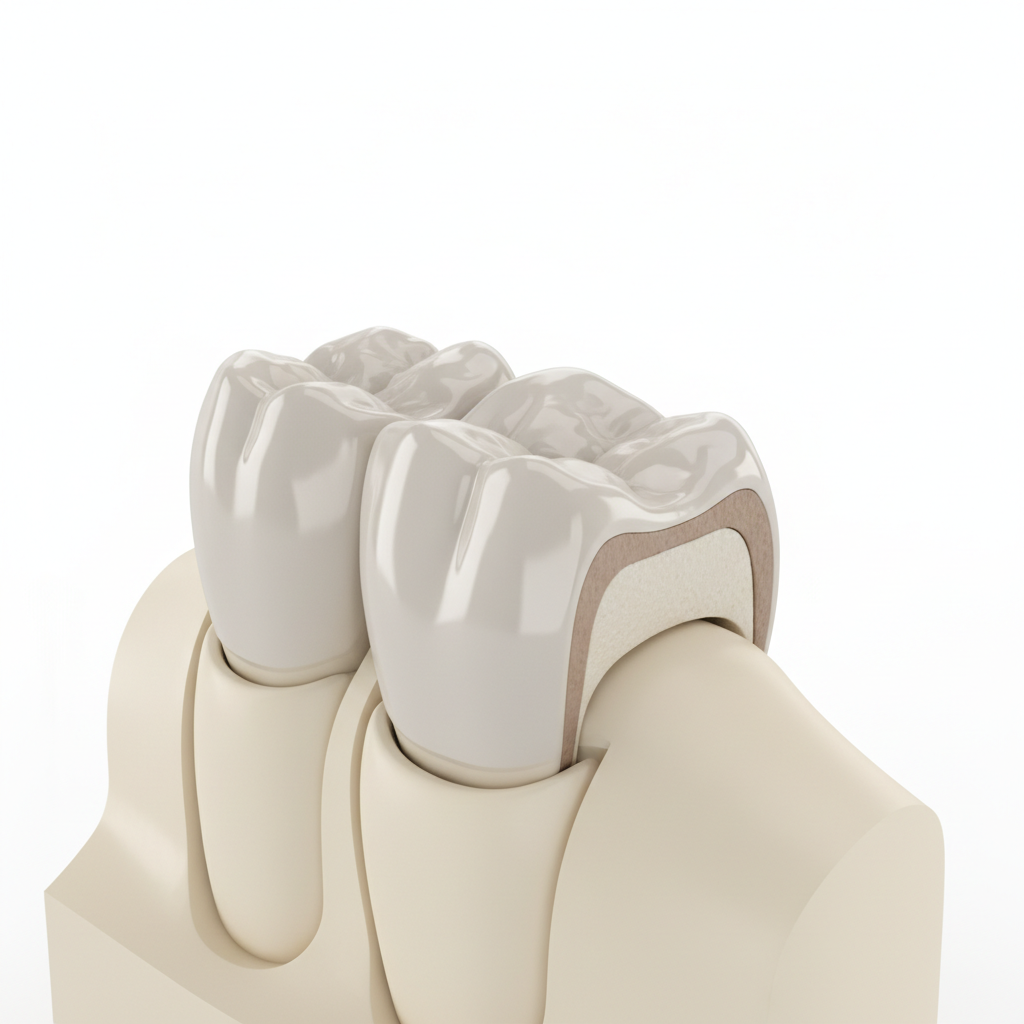
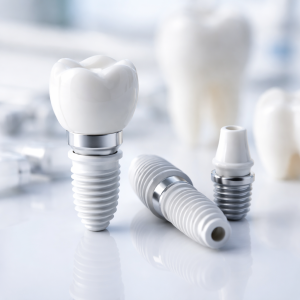
A zirconia crown is a dental restoration crafted from zirconium dioxide, a biocompatible ceramic metal oxide known for its extreme hardness. These crowns are milled from a single block of material, offering a metal-free solution that resists chipping better than traditional options. This unique Zirconia Crown composition makes them virtually indestructible in the oral environment.
Composition and Strength
But here’s the kicker… Zirconia is often called “ceramic steel” because of its chemical structure. The material features a crystalline structure that transforms from tetragonal to monoclinic under stress, effectively sealing micro-cracks before they can expand. This transformation toughening is enhanced by yttria stabilization, specifically 3Y-TZP or 5Y-TZP formulations, to balance opacity and strength. You will find that this composition prevents the propagation of cracks under stress, making it reliable for molars.
- Composed of Zirconium Dioxide (ZrO2).
- Stabilized with Yttria for toughness.
- Metal-free and biocompatible.
Manufacturing Process
The creation of these crowns relies on advanced CAD/CAM milling processes that carve the tooth from a solid block. You might be wondering how a solid block becomes a precise tooth replica. The process begins with a digital scan of your mouth, followed by computer-aided design to ensure ideal occlusion and margins. Once milled, the pre-sintered zirconia is heated in a furnace to achieve its final hardness and density.
- Digital scanning of the tooth preparation.
- Computer-aided design (CAD) for precise fit.
- Milled from pre-sintered zirconia blocks.
Key Takeaway
Zirconia offers a unique blend of metal-like strength with ceramic-like biocompatibility, making it a versatile choice for modern dentistry.
| Feature | Zirconia | Standard Ceramic | |
|---|---|---|---|
| Base Material | Zirconium Dioxide | Feldspathic Porcelain | |
| Fabrication | Milled from Solid Block | Layered or Pressed | |
| Crystal Phase | Tetragonal Polycrystal | Amorphous Glass | |
| Primary Benefit | Fracture Resistance | Aesthetic Translucency |
How Does Porcelain Compare to Zirconia?
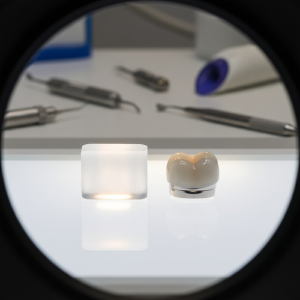
Porcelain crowns differ from zirconia primarily in their aesthetic translucency and structural brittleness. While porcelain mimics natural enamel almost perfectly, it lacks the flexural strength of zirconia, making it more prone to fractures under heavy biting pressure.
Aesthetic Translucency
Let’s face it, nothing beats the look of natural glass-like ceramic when it comes to a smile. Porcelain transmits light similarly to natural teeth, allowing for a depth and vitality that is difficult to replicate with other materials. You often see porcelain used for front teeth where looks matter most and biting forces are lower. This material allows light to scatter within the crown, mimicking the dentin and enamel layers of a real tooth.
- High translucency mimics enamel.
- Easy to color-match adjacent teeth.
- Resistant to surface staining.
Structural Vulnerabilities
Here’s the deal regarding durability: porcelain is essentially a glass, which makes it brittle. While it has a high compressive strength, its flexural strength is significantly lower, typically ranging from 100 to 400 MPa. This means you might experience chipping if used on molars or if you have a heavy bite. To compensate for this weakness, porcelain crowns often require more substantial tooth reduction to ensure the material is thick enough to resist breaking.
- Lower flexural strength (100-400 MPa).
- Prone to chipping in bruxers.
- Requires more tooth reduction for thickness.
Key Takeaway
The trade-off is clear: Porcelain is chosen for beauty and anterior blending, while Zirconia is selected for brawn and posterior reliability.
| Property | Porcelain | Zirconia | |
|---|---|---|---|
| Light Transmission | High (Translucent) | Low to Medium (Opaque) | |
| Failure Mode | Chipping/Cracking | Debonding | |
| Rec. Location | Anterior (Front) | Posterior (Back) | |
| Flexibility | Brittle | Tough/Resilient |
Which Material Is Stronger for You?
Zirconia is significantly stronger than porcelain, often boasting flexural strength ratings between 900 and 1200 MPa compared to porcelain’s 100-400 MPa. This exceptional toughness makes structural ceramics like zirconia the superior choice for high-stress areas like the back molars.
Flexural Strength Ratings
You need to understand what MPa means for your mouth; it measures the pressure required to break the material. While natural enamel withstands heavy forces, zirconia exceeds these natural limits, offering protection against the immense pressure of grinding. What’s the real story? Zirconia can withstand biting forces that would shatter standard porcelain instantly. This makes it the safety belt for your dental restoration plan.
- Zirconia: 900–1400 MPa.
- Porcelain: 80–120 MPa (feldspathic).
- Lithium Disilicate: 360–400 MPa.
Resistance to Fracture
Ready for the good part? Zirconia possesses a self-repairing mechanism known as transformation toughening. When a crack begins to form, the crystals expand to close the defect and stop it from spreading through the crown. You benefit from this safety mechanism during grinding or accidental hard bites, ensuring your crown stays intact.
- Resists crack propagation.
- Ideal for patients with bruxism.
- Long-term structural integrity.
Key Takeaway
For pure load-bearing capacity and resistance to catastrophic failure, zirconia has no rival in the ceramic world.
| Material Type | Flexural Strength (MPa) | Fracture Toughness | |
|---|---|---|---|
| Monolithic Zirconia | 1000 – 1400 | High | |
| Lithium Disilicate | 350 – 400 | Medium | |
| Feldspathic Porcelain | 90 – 120 | Low | |
| Enamel (Natural) | 80 – 100 | Medium |
Do Zirconia Crowns Look Natural Now?
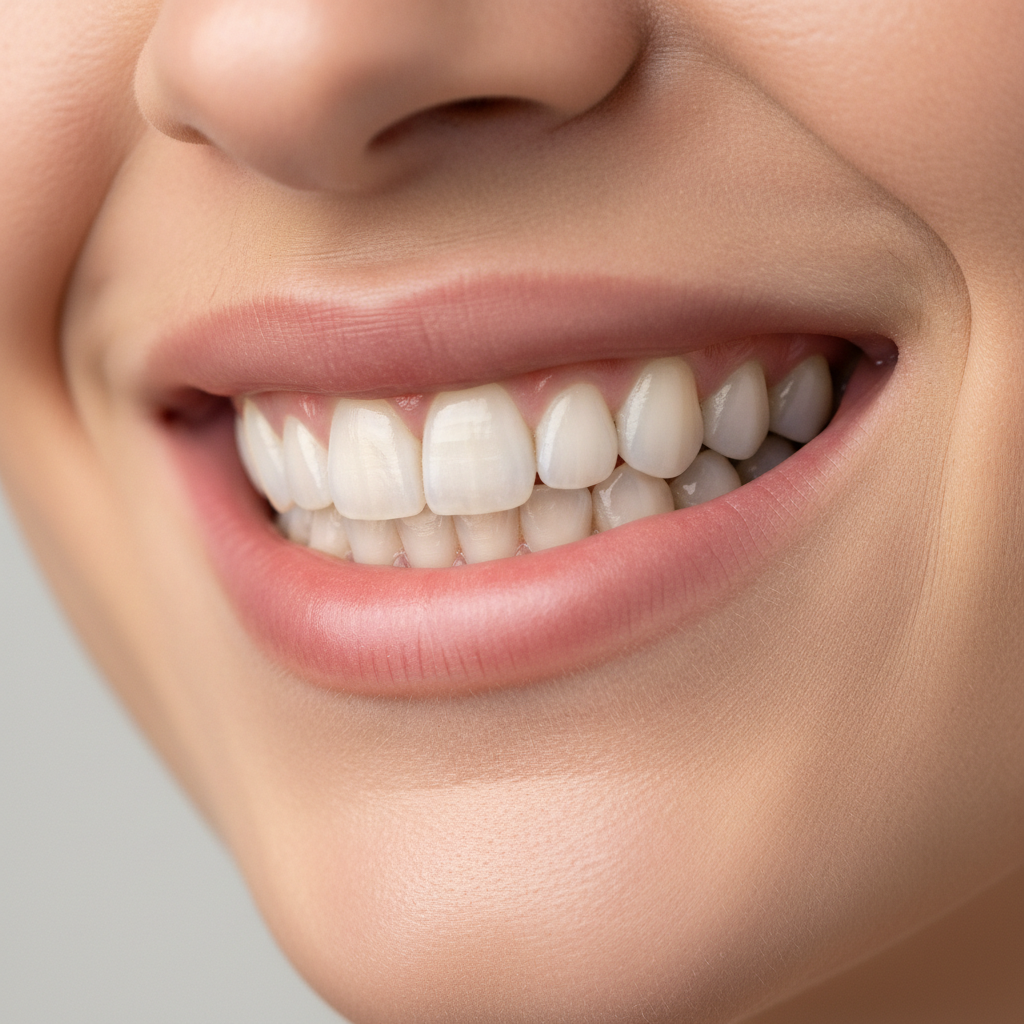
Yes, modern high-translucency zirconia crowns look remarkably natural thanks to advancements in material science and layering techniques. While older monolithic zirconia was opaque, newer formulations offer gradient shading that rivals traditional porcelain.
Evolution of Translucency
Gone are the days of chalk-white fake teeth that stood out in a smile. Manufacturers have adjusted the yttria content, shifting from 3Y-TZP to 5Y-TZP, which introduces more cubic phase crystals to allow light to pass through. You can now get zirconia that blends seamlessly with your smile, maintaining strength while offering the vitality of natural teeth.
- Introduction of cubic zirconia phase.
- Multi-layered blocks with shade gradients.
- Improved light scattering properties.
Layered vs. Monolithic
But there’s a catch with strength vs. beauty: the more translucent the zirconia, the slightly weaker it becomes. To solve this, labs often use “layered zirconia,” where a high-strength core is capped with aesthetic porcelain. You might choose monolithic for back teeth despite opacity for maximum strength, but layered zirconia is often the go-to for front teeth to achieve perfect aesthetics.
- Monolithic: Strongest, slightly opaque.
- Layered: Aesthetic cap, strong core.
- Cut-back technique for incisal transparency.
Key Takeaway
The gap between aesthetics and strength is closing rapidly, with high-translucency zirconia now suitable for the “smile zone.”
| Crown Type | Aesthetic Score (1-10) | Translucency | Best Use Case | |
|---|---|---|---|---|
| Layered Porcelain | 10 | Excellent | Single Front Tooth | |
| HT Zirconia | 8.5 | Good | Anterior Bridge | |
| Monolithic Zirconia | 6 | Fair | Posterior Molar | |
| PFM | 7 | Opaque Core | Posterior Bridge |
What Does a Zirconia Crown Cost?

The cost of a Zirconia Crown typically ranges from
1,000to
2,500 per tooth, which is comparable to or slightly higher than standard porcelain depending on the manufacturing method. Long-term value is often higher due to the reduced likelihood of replacement or repair. You can contact our team for specific supply pricing.
Initial Investment
Here’s the deal on pricing: you are paying for both the material and the advanced technology used to create it. Zirconia requires expensive CAD/CAM milling machines and sintering furnaces, which can drive up the lab fee portion of your bill. You generally pay a premium for the precision and the fact that these crowns are often made domestically rather than outsourced.
- Lab fabrication costs.
- Digital scanning fees.
- Material grade differences.
Long-Term Value
Think about it this way: a cheaper crown that breaks costs more than a premium crown that lasts. Zirconia’s resistance to fracture means you are far less likely to pay for an emergency replacement or repair in five years. You save money by avoiding frequent replacements and the associated trauma to the tooth structure.
- Lower fracture rate saves repair costs.
- Less removal of natural tooth saves structure.
- Warranty options often favor zirconia.
Key Takeaway
While upfront costs are similar, zirconia offers better ROI for posterior teeth due to its extreme longevity.
| Crown Material | Average Cost (Per Tooth) | Est. 10-Year Repair Cost | |
|---|---|---|---|
| Zirconia | 1,300−2,500 | Low | |
| Porcelain (All-Ceramic) | 1,000−2,500 | Medium | |
| PFM | 800−1,500 | Medium | |
| Gold | 1,500−2,500 | Very Low |
Is the Procedure Different for Each?
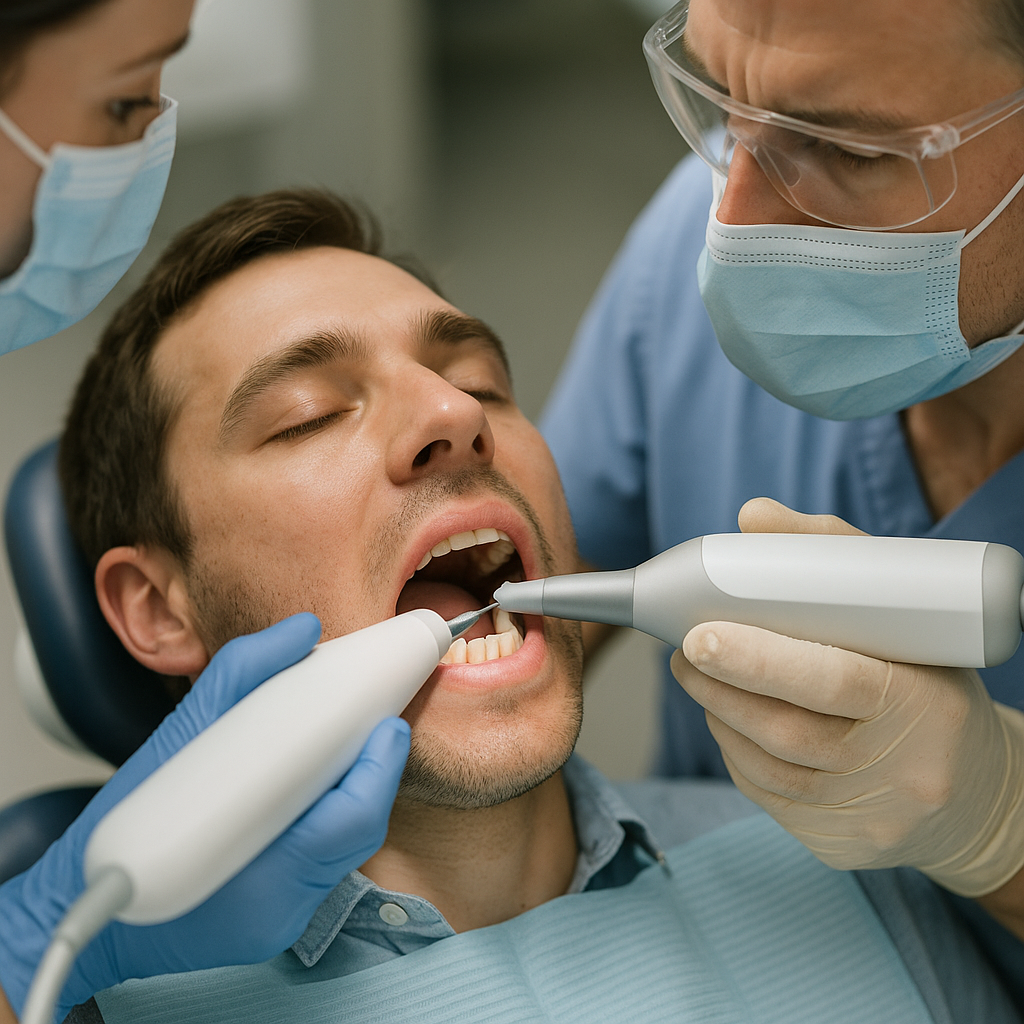
The procedure for zirconia crowns is often faster and less invasive, frequently utilizing same-day digital workflows, unlike the multi-step process required for layered porcelain. Zirconia allows for thinner preparations, meaning less of your natural tooth needs to be drilled away.
Tooth Preparation
You might be surprised at how little drilling is needed for a zirconia restoration. Because the material is so strong even at thin gauges, dentists only need to remove about 0.6mm to 1.0mm of tooth structure. This is where it gets interesting… Conservative prep preserves your enamel and dentin, keeping the tooth stronger and reducing the risk of post-operative sensitivity.
- Minimal invasive preparation.
- Preserves enamel and dentin.
- Reduced risk of sensitivity.
Digital Workflow
Here’s the best part: there are often no goopy impression trays involved with zirconia. The dentist uses an intraoral wand to scan your teeth, creating a 3D digital model in seconds. You can sometimes walk out with a permanent crown in one visit if your dentist has an in-house milling unit.
- Intraoral scanning accuracy.
- Immediate design adjustments.
- No temporary crown needed (for same-day).
Key Takeaway
The zirconia workflow is more efficient for patients and clinicians, often eliminating the need for temporary crowns and second visits.
| Step | Zirconia (Digital) | Traditional Porcelain | |
|---|---|---|---|
| Impression | Digital Scan (2 mins) | Putty Tray (5-10 mins) | |
| Prep Depth | 0.6mm – 1.0mm | 1.5mm – 2.0mm | |
| Turnaround | Same-day or 3 Days | 1 – 2 Weeks | |
| Temporaries | Often None | Required |
How Long Do These Crowns Last?
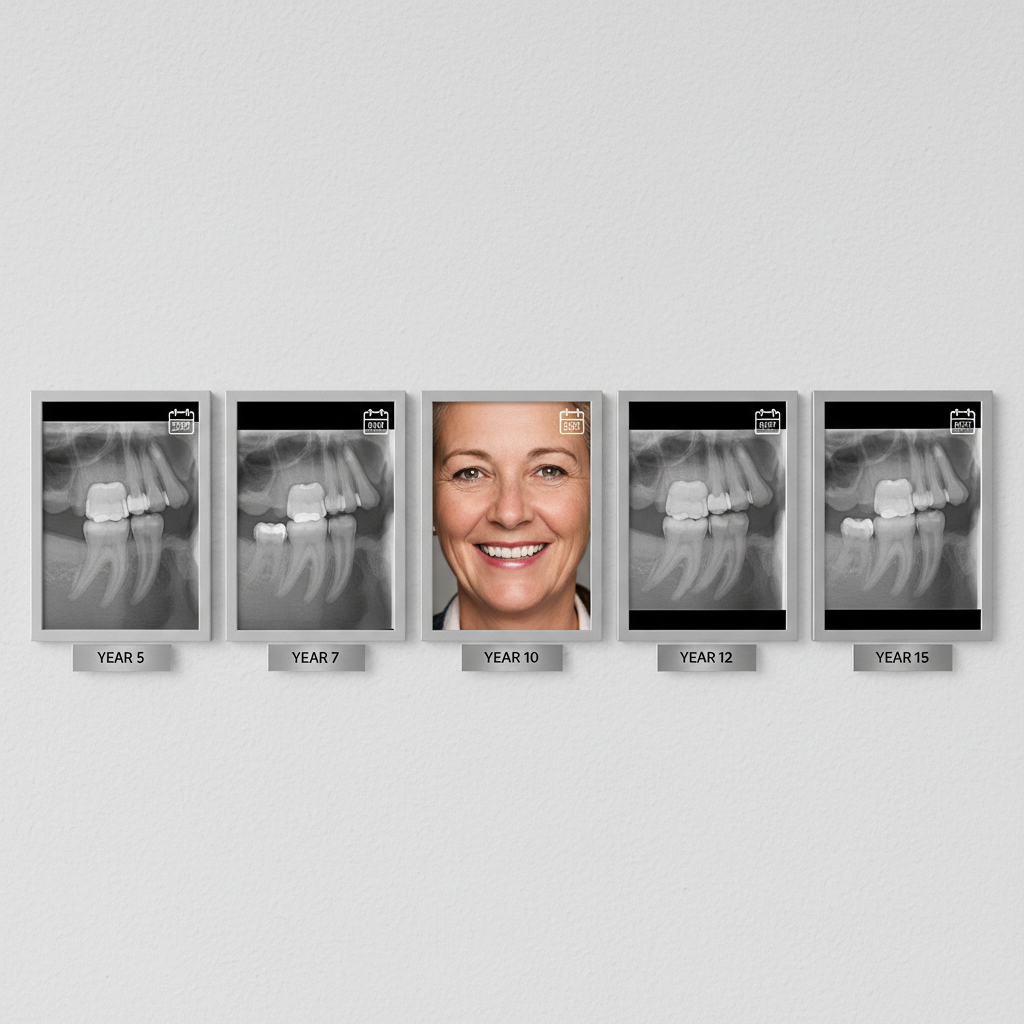
Zirconia crowns typically last between 15 to 20 years, with many clinical studies showing survival rates exceeding 20 years due to their resistance to wear and fracture. This outperforms alternatives like porcelain, which generally last 10 to 15 years before chipping. High-quality raw manufacturing materials ensure this consistency.
Durability Factors
But here’s the kicker… longevity depends heavily on your habits and oral hygiene. While the crown itself won’t decay, the tooth underneath it certainly can if plaque accumulates at the gumline. You play a major role in how long it lasts by brushing, flossing, and wearing a nightguard if you grind your teeth.
- Resistance to micro-cracks.
- Impact of oral hygiene.
- Quality of the bonding cement.
Failure Rates
Let’s look at the data on how these materials eventually fail. Porcelain crowns typically fail due to catastrophic fracture or chipping of the veneer porcelain. You are less likely to experience a structural failure with zirconia; its primary failure mode is often loss of retention (falling off), which can be easily re-cemented.
- Porcelain failure: Chipping/Cracking.
- Zirconia failure: Retention loss.
- Wear on opposing teeth considerations.
Key Takeaway
Zirconia is the “install and forget” option for durability, boasting the highest survival rates among ceramic restorations.
| Timeframe | Zirconia Survival Rate | Porcelain Survival Rate | |
|---|---|---|---|
| 5 Years | 98% | 95% | |
| 10 Years | 92% | 85% | |
| 15 Years | 85%+ | 75% |
Are There Risks of Allergic Reactions?
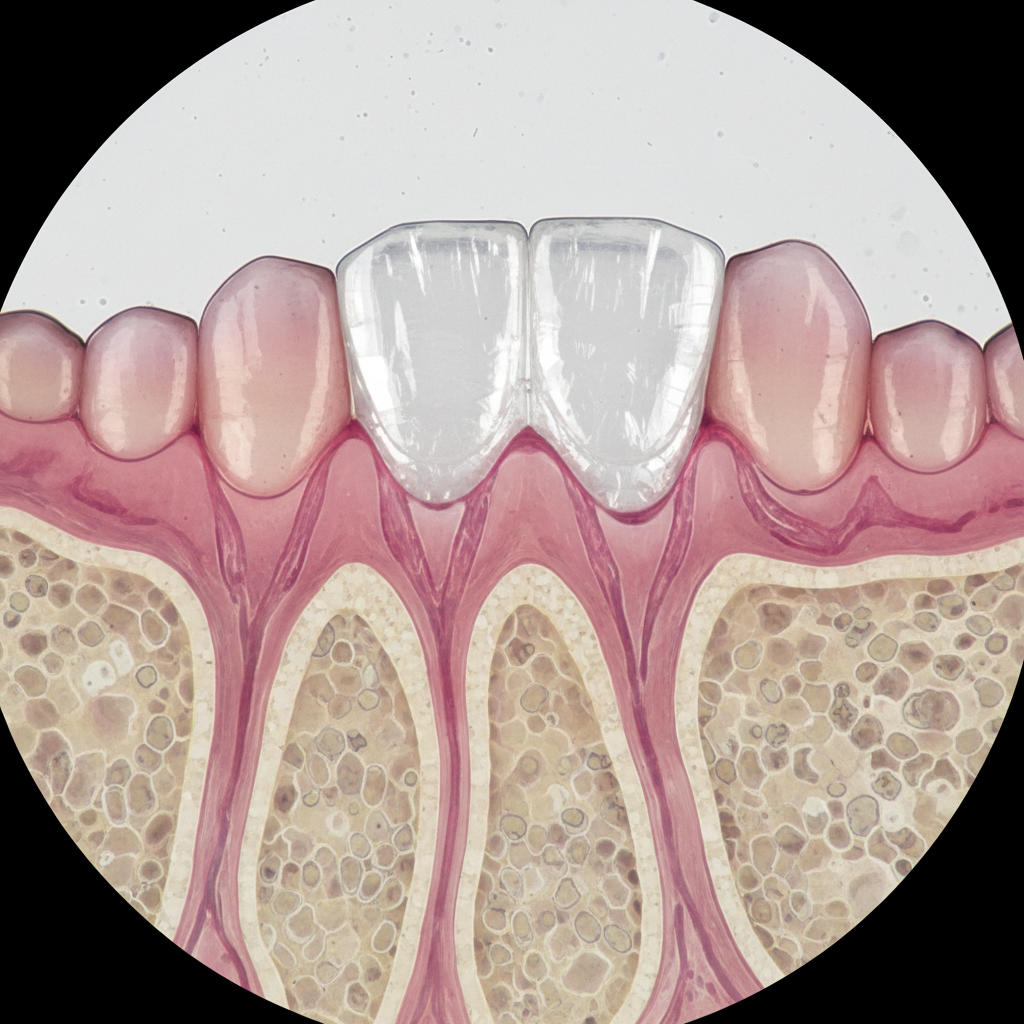
Zirconia is highly biocompatible and hypoallergenic, posing virtually no risk of allergic reactions compared to metal-based or some porcelain-fused-to-metal crowns. It is chemically inert, meaning it does not react with body fluids or irritate the gum tissue.
Metal Sensitivities
You might not know that metal ions can leach from PFM crowns over time, causing inflammation or allergic responses in sensitive patients. Zirconia offers a completely metal-free solution, eliminating the risk of nickel or beryllium allergies. Here’s the good news: Zirconia causes no “tattooing” of gums, preserving the natural pink aesthetic of your soft tissue.
- Zero nickel or beryllium.
- No dark lines at gum margins.
- Ideal for patients with metal allergies.
Tissue Response
It gets better: gums actually love zirconia. The material can be polished to a smoothness that prevents plaque from adhering, leading to healthier gum tissue around the implant or crown. You will notice healthier pink tissue around the crown rather than the red, inflamed margins often seen with other materials.
- Low plaque retention.
- Promotes gingival health.
- Non-reactive to temperature changes.
Key Takeaway
Zirconium oxide has an excellent biological safety profile, making it the safest choice for patients with sensitivities or allergies.
| Material | Allergen Risk | Gum Response | Thermal Conductivity | |
|---|---|---|---|---|
| Zirconia | None (Hypoallergenic) | Excellent | Low (Insulating) | |
| PFM | High (Nickel/Metal) | Poor (Inflammation) | High (Conductive) | |
| All-Porcelain | Very Low | Good | Low |
Can Zirconia Be Used for Front Teeth?
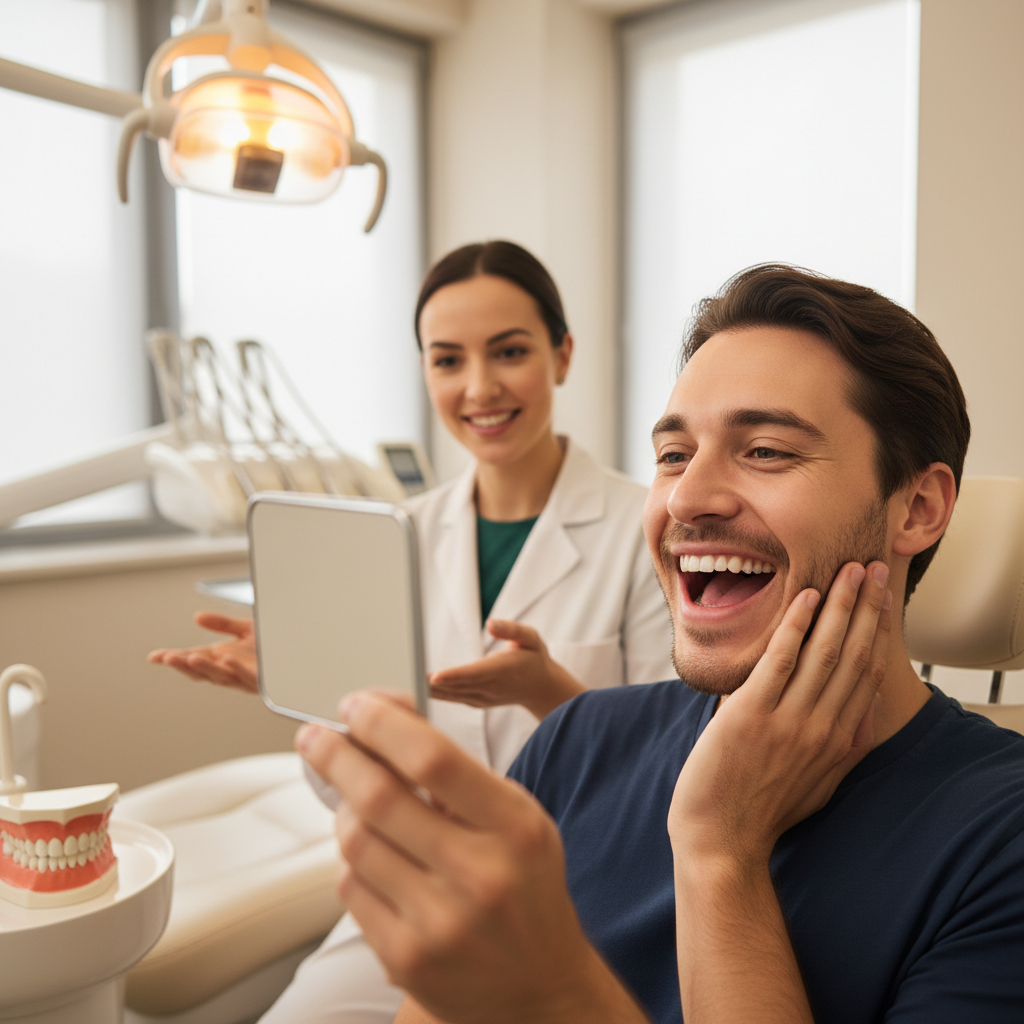
Yes, high-translucency Zirconia Crown options are increasingly used for front teeth, although layered porcelain is still the gold standard for absolute aesthetic perfection. For patients who grind their teeth, zirconia provides a necessary balance of aesthetics and protection for anterior teeth, often utilizing specific ceramic additives to enhance opacity control.
Aesthetic Limitations
Here’s the catch with standard zirconia: it reflects light differently than natural teeth. Monolithic zirconia can appear slightly opaque or “flat” under bright lights compared to the complex light scattering of natural enamel. You need to discuss “layered zirconia” or high-translucency options with your dentist if you are treating a single front tooth to ensure a perfect match.
- Light reflection differences.
- Need for facial porcelain layering.
- Color matching challenges.
Strength in the Smile Zone
Why would you do it? To stop breaking your front teeth. Many patients shear off porcelain veneers or crowns due to heavy bite forces. You get a compromise: 90% of the beauty of porcelain with 200% of the strength, ensuring your front teeth restorations survive your bite.
- Resists shearing forces.
- Protects against incisal chipping.
- Suitable for bridges in the smile zone.
Key Takeaway
Zirconia for front teeth is best for heavy biters who are willing to accept a slight trade-off in translucency for unmatched durability.
| Condition | Recommended Material | Reason | |
|---|---|---|---|
| Single Front Tooth | Layered Porcelain | Best Match | |
| Front Bridge | Zirconia | Connector Strength | |
| Bruxism (Grinder) | HT Zirconia | Won’t Chip | |
| Smile Makeover | Layered Zirconia | Uniformity |
Is Zirconia the Right Choice for You?

Zirconia is likely the right choice if you prioritize longevity, have a history of grinding your teeth, or need a posterior restoration. However, if your primary goal is flawless aesthetics for a single front tooth, porcelain might still be the superior option.
Decision Checklist
So, what’s the verdict? It depends entirely on the specific conditions of your mouth. If you destroy dental work, go with zirconia. If you are replacing a highly visible front tooth, consider porcelain. You should weigh strength against absolute translucency with your dentist.
- Grinder/Clencher? Choose Zirconia.
- Front tooth? Consider Layered Zirconia or Porcelain.
- Metal allergy? Choose Zirconia or All-Ceramic.
Future Proofing
Think ahead to the next decade of your life. Do you want to replace this crown in 10 years, or do you want it to last 20? Zirconia offers a “set it and forget it” reliability that appeals to busy patients. You are investing in a low-maintenance future where your dental work works as hard as you do.
- Lower maintenance requirements.
- High success rate for implants.
- Future-proof material stability.
Key Takeaway
Zirconia is the versatile all-rounder for modern patients, offering the best balance of properties for 90% of dental cases.
| Priority | Winner | |
|---|---|---|
| Durability | Zirconia | |
| Aesthetics | Porcelain | |
| Cost | Tie | |
| Biocompatibility | Zirconia |
Conclusion
If you are looking for a dental solution that combines the strength of steel with the beauty of ceramic, the choice is becoming clear. Zirconia offers a versatile, durable, and increasingly aesthetic option that fits the needs of modern patients. Whether you are a distributor looking for high-quality materials or a professional seeking the best for your clients, understanding these differences is key.
Contact us today to learn more about our premium zirconium solutions.
We’ve Solved the Durability Problem.At Global Industry, we provide the high-purity Zirconia powders and parts that power the world’s most reliable dental solutions. Our commitment to quality ensures that end-users receive restorations that stand the test of time. Partner with us for material excellence that drives industry standards forward.
FAQ
Q1: Can I get a zirconia crown if I have a metal allergy? Answer: Yes, absolutely. Zirconia is a 100% metal-free ceramic material that is chemically non-reactive, making it the ideal choice for patients with metal sensitivities or allergies.
Q2: Does a zirconia crown ruin the opposing teeth? Answer: Not if properly polished. While zirconia is very hard, excessive wear on opposing teeth is typically caused by rough surface texture; highly polished zirconia is actually less abrasive to enamel than standard porcelain.
Q3: Can I whiten a zirconia crown after it is placed? Answer: No, you cannot whiten it. Like all ceramic restorations, zirconia does not respond to bleaching gels, so it is crucial to match the crown to your desired tooth shade before it is cemented.
Q4: Is it painful to get a zirconia crown installed? Answer: No, the process is not more painful than standard crowns. In fact, because zirconia requires less tooth reduction, there is often less trauma to the tooth structure and reduced post-operative sensitivity.
Q5: Do zirconia crowns look fake or opaque? Answer: They used to, but not anymore. Modern high-translucency zirconia crowns are designed with shade gradients that closely mimic natural teeth, avoiding the “flat” white look of older generations.