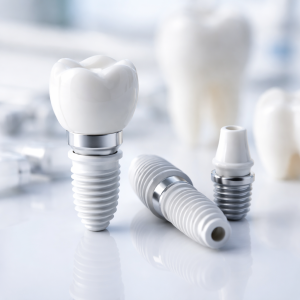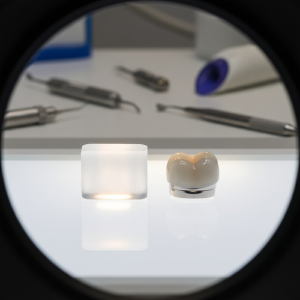
A zirconia bridge is the premier choice for dental restoration because it offers a perfect balance of extreme industrial strength and lifelike aesthetics. You may feel embarrassed by a missing tooth or worry that your current dental work looks unnatural when you laugh. This insecurity can hold you back in social situations and make every meal a stressful event. Choosing this advanced restoration solves these issues by providing a permanent, beautiful solution that blends seamlessly with your smile.
Why is a zirconia bridge the strongest option?
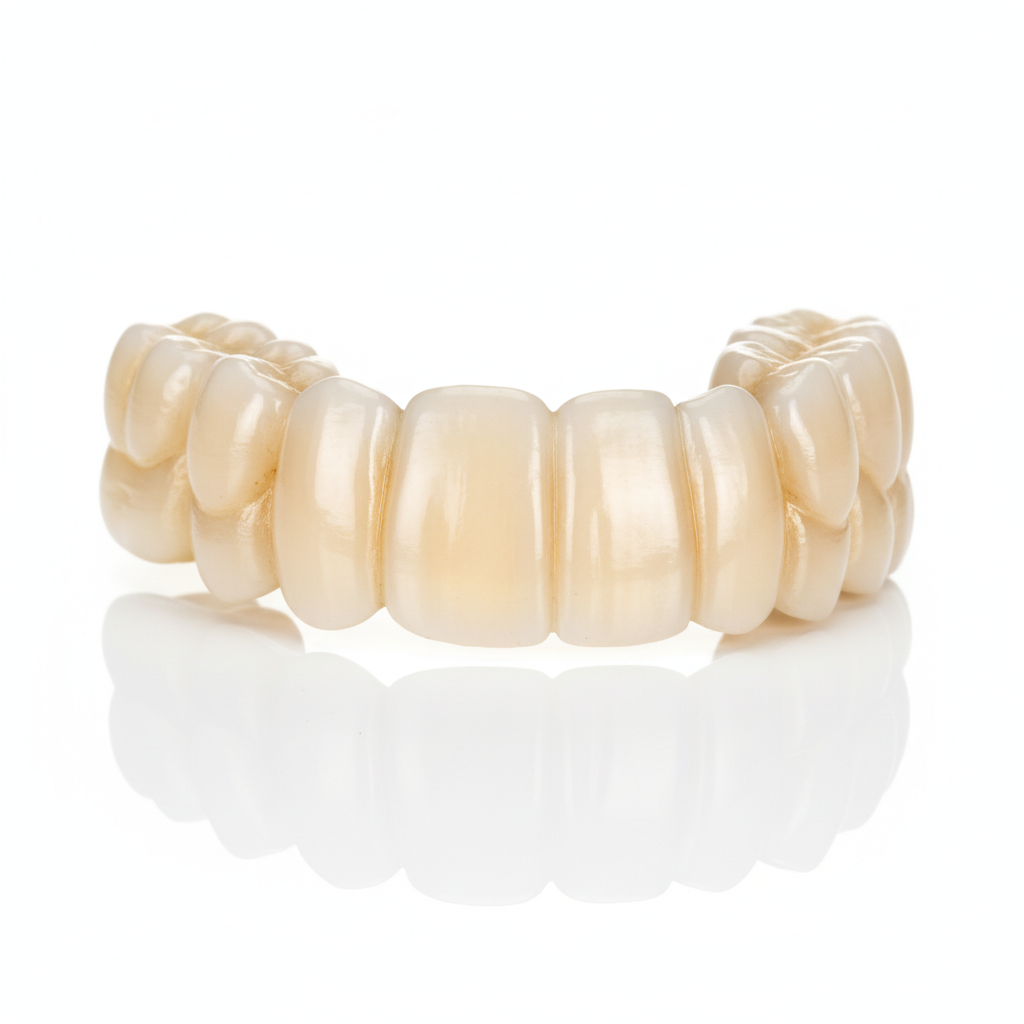
A zirconia bridge is the strongest option because it is made from zirconium dioxide, a ceramic material known as “ceramic steel” for its high fracture toughness. This material can handle the intense biting forces in your mouth without the risk of chipping or snapping like traditional ceramics. You will find that its dense molecular structure provides a reliable foundation for long-term oral health.
What makes the material so tough?
The material is so tough because of a unique crystalline structure that undergoes transformation toughening to stop cracks from spreading. This means that if a microscopic fracture starts, the material actually expands to seal the gap instantly.
- High crystalline density.
- Fracture resistance.
- High flexural strength.
- Thermal shock resistance.
Think about it: you are getting a material used in high-stress industrial applications for your own smile.
Is it stronger than natural teeth?
Yes, this material is technically stronger than your natural tooth enamel, providing an incredibly durable surface for chewing. While it is hard, it is designed to be smooth so that it does not wear down the natural teeth on the opposite side of your mouth.
- Superior megapascal (MPa) rating.
- Wear-resistant surface.
- Long-term structural integrity.
- Impact resistance.
But here is the catch: even though the bridge is strong, the teeth supporting it still need regular care to stay healthy.
Key Takeaway: Choosing this restoration ensures your new teeth can withstand the heaviest biting forces for decades to come.
| Strength Metric | Zirconia Performance | Benefit | |
|---|---|---|---|
| Fracture Toughness | Elite | Prevents chipping and snapping | |
| Hardness | Superior | Resists surface wear | |
| Density | High | Ensures a slim but strong fit |
The following data analysis highlights why this material has become the gold standard for high-stress dental applications.
How does a zirconia bridge improve your smile?
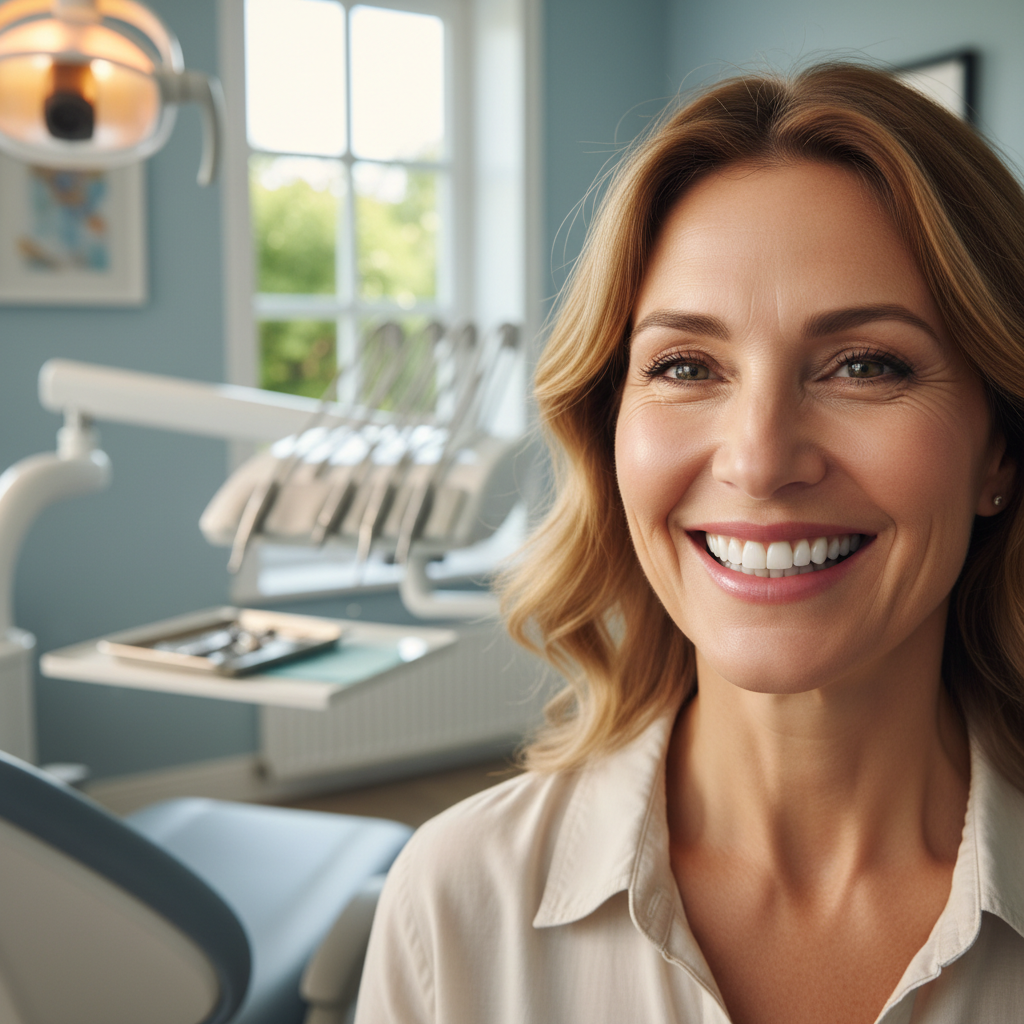
A zirconia bridge improves your smile by providing a metal-free translucency that perfectly mimics the look of natural tooth enamel. Because there is no metal frame, you will never see a dark line near your gums as you might with older restorations. This ensures your smile looks vibrant and healthy even in bright, natural light.
Can it match your surrounding teeth?
Your dentist can customize the shade and translucency of the material to blend perfectly with the color of your existing teeth. This level of customization ensures that the bridge looks like it has always been a part of your mouth.
- Custom shade matching.
- Natural light reflection.
- Varying translucency levels.
- Realistic surface texture.
Believe it or not, most people will be unable to tell the difference between the bridge and your natural teeth.
Will it stain over time?
No, the surface of this material is highly polished and non-porous, making it extremely resistant to staining from coffee, tea, or wine. You can enjoy your favorite foods and drinks without worrying about your restoration losing its bright, white appearance.
- Non-porous surface.
- Resistant to food pigments.
- Maintains color for years.
- Easy to polish during checkups.
But here is the catch: while the bridge won’t stain, your natural teeth might, so keeping a consistent whitening routine is helpful.
Key Takeaway: The aesthetic properties of this material allow for a flawless smile that remains bright and natural-looking for a lifetime.
| Aesthetic Feature | Zirconia Advantage | Patient Impact | |
|---|---|---|---|
| Translucency | High | Mimics real enamel light depth | |
| Metal-Free | Yes | No dark shadows at the gum line | |
| Color Stability | Permanent | Restoration does not yellow over time |
Reviewing these aesthetic factors confirms why patients who prioritize appearance always choose this modern material.
Does a zirconia bridge offer better strength?
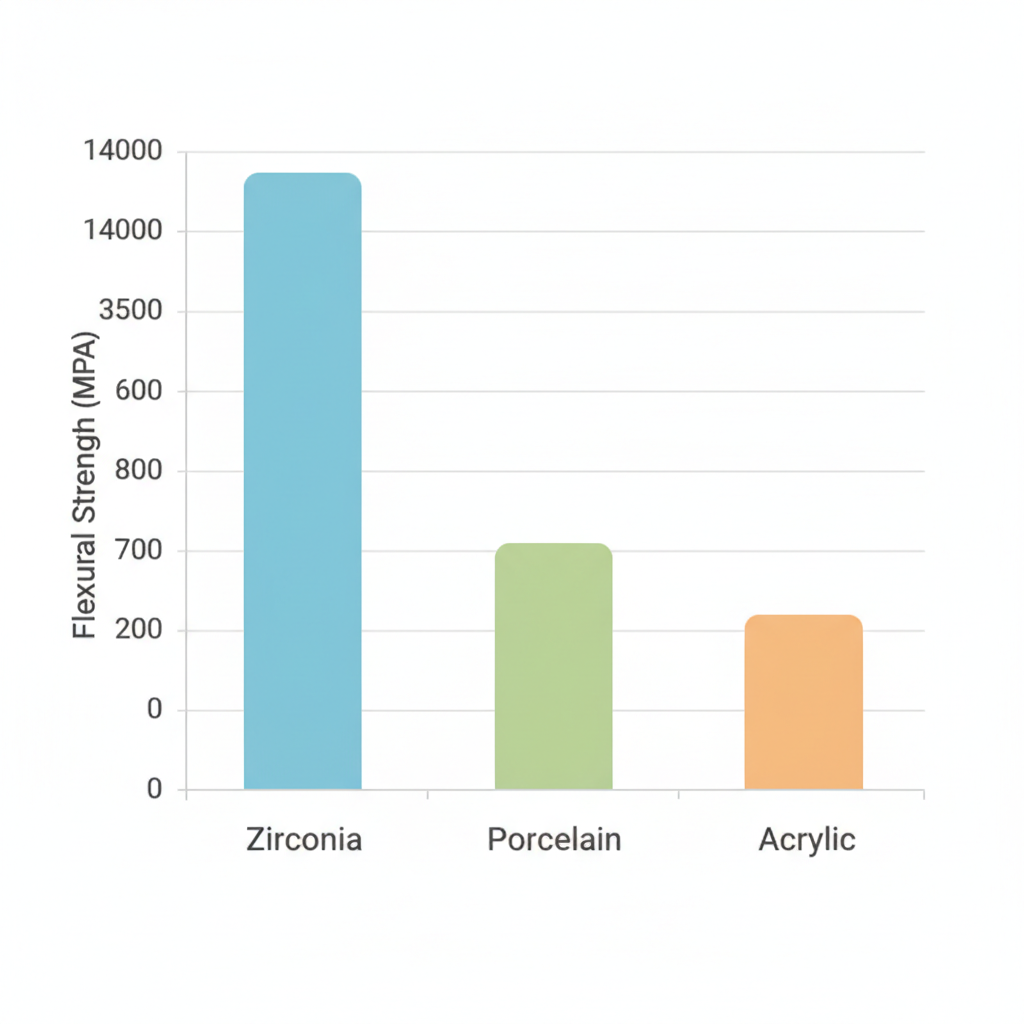
Yes, a zirconia bridge offers better flexural strength than almost any other dental material, allowing it to span longer gaps without bending. This strength is vital for your back teeth, which must endure the highest amount of pressure during daily chewing. You can feel confident that your bridge will remain intact even when eating crunchy or tough foods.
Why compare flexural strength?
Flexural strength is the most important measurement for a bridge because it determines how much pressure the material can take before it breaks. High-purity zirconium materials provide the necessary resilience to handle the dynamic movements of your jaw.
- Resists bending under load.
- Higher MPa than porcelain.
- Prevents catastrophic failure.
- Ideal for multi-unit spans.
Think about it: you want a material that behaves like a natural tooth but offers the reliability of a high-tech alloy.
Does the bridge resist cracking?
This bridge is exceptionally resistant to cracking because of its high fracture toughness and stabilized crystalline structure. Unlike traditional porcelain, which can be brittle, this material “self-heals” at a molecular level to stop cracks in their tracks.
- High fracture toughness.
- Impact-resistant nature.
- Reduced risk of edge chipping.
- Stable in moist environments.
But here is the catch: you should still avoid using your teeth as tools to open packages to ensure the bridge lasts.
Key Takeaway: The superior mechanical properties of this material provide the peace of mind that your restoration is built to last.
| Material | Flexural Strength (MPa) | Risk of Fracture | |
|---|---|---|---|
| Zirconia | 1000 – 1200+ | Extremely Low | |
| Porcelain | 100 – 150 | Moderate | |
| Acrylic | 80 – 100 | High |
This comparison clearly shows why choosing high-strength materials is the smartest investment for your long-term dental health.
Is the zirconia bridge fitting process digital?
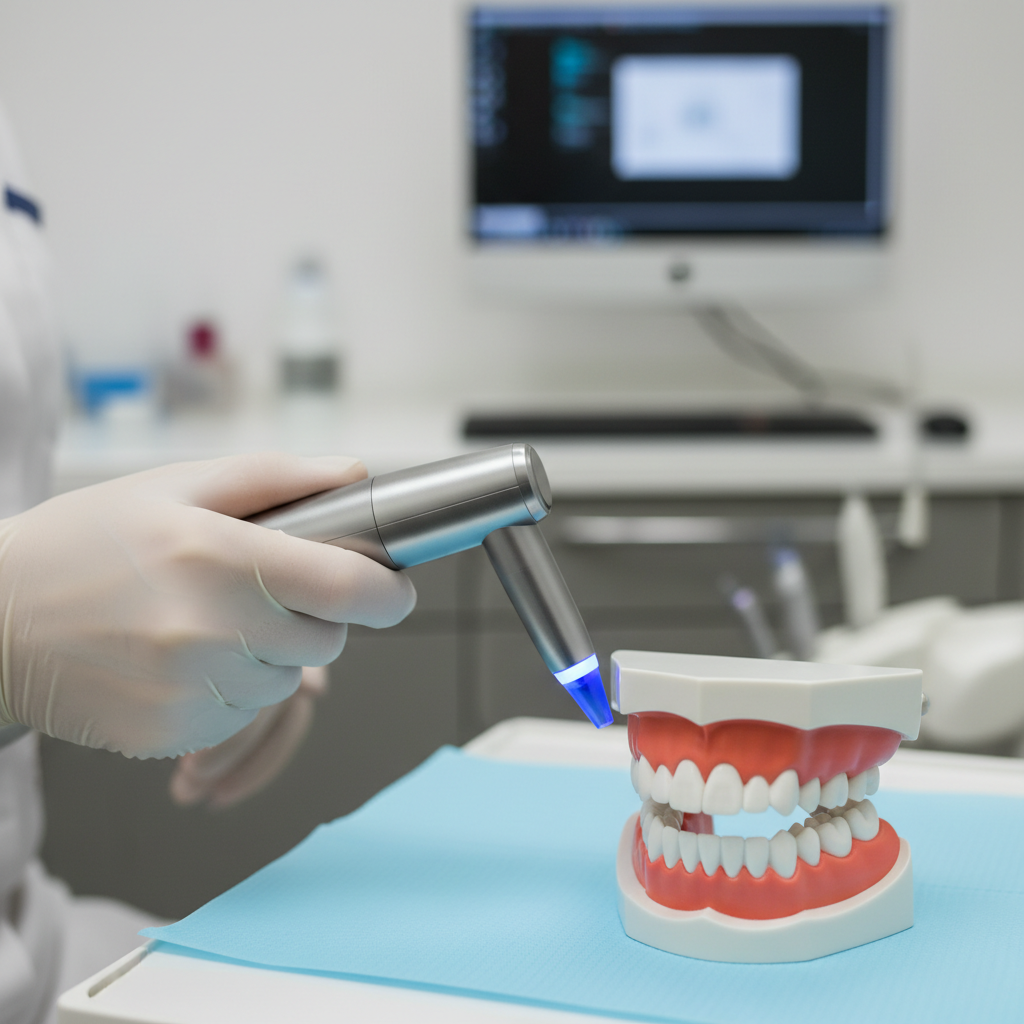
The process for a modern zirconia bridge is almost entirely digital, using advanced 3D scanning to create a perfect map of your mouth. This means you no longer have to deal with messy, uncomfortable impression trays that cause gagging. Digital accuracy ensures that your bridge fits perfectly from the very first moment it is placed.
How does digital scanning benefit you?
Digital scanning benefits you by providing a much more comfortable experience and a restoration that is accurate to the micron. The 3D data is sent instantly to a lab, which significantly speeds up the time it takes to create your new teeth.
- No uncomfortable goop.
- Faster turnaround times.
- Highly accurate 3D models.
- Better visualization of results.
Look at it this way: you are receiving a custom-engineered solution designed specifically for your unique dental anatomy.
Is the design computer-aided?
Yes, every bridge is designed using CAD (Computer-Aided Design) software, allowing for precise adjustments to your bite and tooth shape. This technology allows the dentist to ensure the bridge looks great and functions perfectly with your other teeth.
- Precise bite alignment.
- Customized tooth contours.
- Symmetry with natural teeth.
- Optimized material thickness.
But here is the catch: even with digital design, the final hand-polishing by a skilled technician is what creates the ultimate natural look.
Key Takeaway: Utilizing a digital workflow results in a more comfortable patient experience and a bridge that fits your mouth with extreme precision.
| Design Phase | Digital Advantage | Patient Benefit | |
|---|---|---|---|
| Impression | Laser Accuracy | No messy trays or gagging | |
| Simulation | 3D Visualization | See your smile before it is made | |
| Fabrication | Robotic Milling | Eliminates human error in shaping |
These technological advancements ensure that your restoration is as close to perfection as modern science allows.
How long will your zirconia bridge last?

A zirconia bridge can last fifteen years or even a lifetime if you follow a consistent oral hygiene routine and attend regular checkups. Because the material is chemically stable, it does not degrade or wear down in the acidic environment of the mouth. You are investing in a long-term solution that will stay strong and beautiful for many years.
What factors affect its lifespan?
The lifespan of your bridge depends largely on the health of the supporting teeth and how well you keep the area clean. While the bridge itself cannot decay, the natural teeth underneath it are still susceptible to gum disease and cavities.
- Regular brushing and flossing.
- Professional dental cleanings.
- Avoidance of hard objects.
- Management of teeth grinding.
Think about it: a little daily maintenance can protect your investment and keep your smile healthy for decades.
Is maintenance difficult?
Maintaining your bridge is not difficult at all, as it requires the same basic care as your natural teeth with a few minor adjustments. You will simply need to use a bridge threader or a water flosser to clean the small space between the bridge and your gums.
- Soft-bristle toothbrushing.
- Daily flossing under the pontic.
- Use of non-abrasive toothpaste.
- Regular dental examinations.
But here is the catch: neglecting the area under the bridge can lead to gum irritation, so consistency is the key.
Key Takeaway: The incredible durability of this material makes it one of the longest-lasting dental restorations available today.
| Maintenance Level | Frequency | Impact on Longevity | |
|---|---|---|---|
| Home Care | Daily | Prevents decay in supporting teeth | |
| Professional Exam | Bi-annually | Identifies early issues before failure | |
| Night Guard | If needed | Protects bridge from grinding forces |
Following these simple guidelines will ensure that your bridge remains a functional and beautiful part of your life for a very long time.
Is a zirconia bridge safe for your gums?
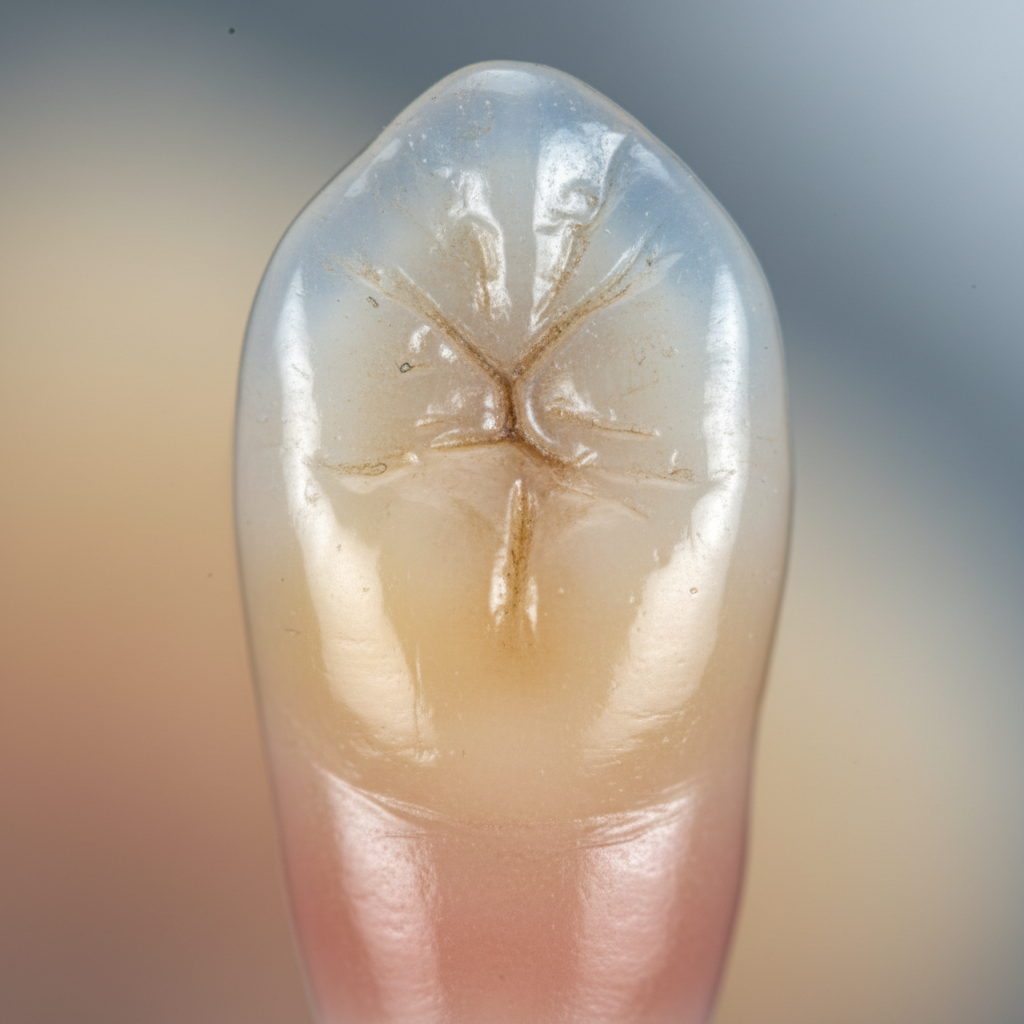
Yes, a zirconia bridge is exceptionally safe for your gums because the material is highly biocompatible and inert. This means your body will not have an allergic reaction to the material, and your gum tissue will remain healthy and pink. Unlike some metal-based bridges, this ceramic does not cause irritation or the “metallic taste” that some patients experience.
Why is biocompatibility important?
Biocompatibility is important because it ensures that the bridge integrates harmoniously with your living oral tissues without causing inflammation. Zirconia is widely used in medical implants because it does not trigger the immune system or leach any chemicals.
- Zero allergic reactions.
- No tissue inflammation.
- Promotes healthy gum attachment.
- Non-toxic and metal-free.
Look at it this way: you are choosing a material that your body naturally accepts, leading to a much healthier mouth.
Does it cause oral sensitivity?
This material does not conduct heat or cold well, which significantly reduces the tooth sensitivity often felt with metal or porcelain restorations. You will be able to enjoy hot coffee or ice cream without the sharp, uncomfortable zing associated with temperature changes.
- Low thermal conductivity.
- Protects the inner nerve.
- More comfortable daily use.
- Stable in all temperatures.
But here is the catch: if your supporting teeth are already sensitive, you should discuss this with your dentist before the procedure.
Key Takeaway: The biocompatible and non-conductive nature of this material makes it the healthiest choice for your gum tissue and overall comfort.
| Biological Factor | Zirconia Property | Result | |
|---|---|---|---|
| Allergic Potential | Non-existent | Safe for patients with metal allergies | |
| Plaque Retention | Low | Smoother surface is easier to keep clean | |
| Thermal Response | Insulated | Reduced sensitivity to hot and cold foods |
This data confirms that choosing a biocompatible material is essential for maintaining long-term gum health and comfort.
How do you clean a zirconia bridge?
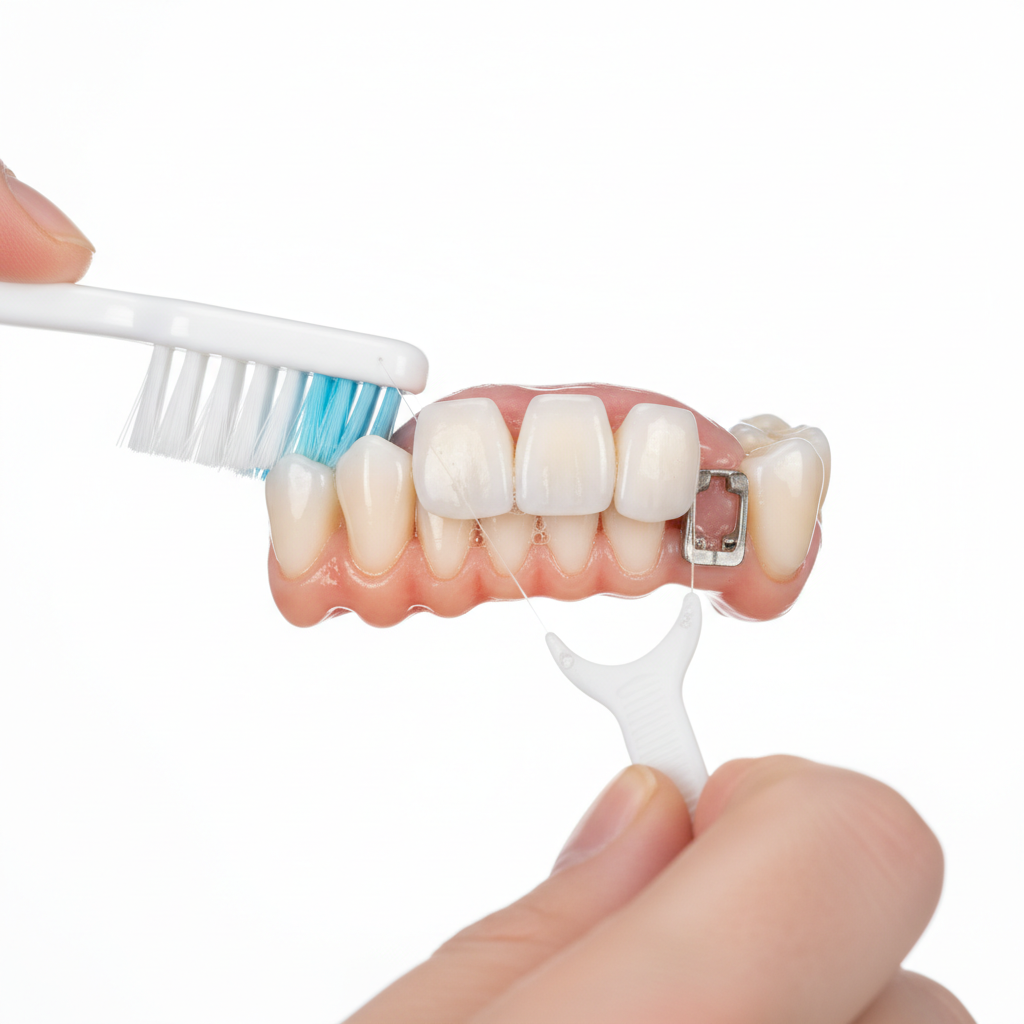
You clean a zirconia bridge by brushing twice daily with a soft toothbrush and paying special attention to the area where the bridge meets the gums. Because food particles can get trapped under the false tooth, using specialized cleaning tools is essential for maintaining fresh breath and healthy tissue. Your hygiene routine should be thorough but gentle to protect the polished surface of the restoration.
Are there special tools needed?
Yes, you will likely need a few special tools like a floss threader, interdental brushes, or a water flosser to reach under the bridge. These tools are designed to remove plaque and debris from tight spaces that a standard toothbrush cannot reach.
- Floss threaders for bridge care.
- Interdental picks or brushes.
- High-quality water flossers.
- Non-abrasive cleaning pastes.
Believe it or not, once you master the technique, cleaning your bridge will only add about a minute to your daily routine.
Can you brush it normally?
You can brush the visible surfaces of the bridge just as you would your natural teeth, using a circular motion to clean the gum line. It is important to use a non-abrasive toothpaste to ensure you do not scratch the high-shine finish of the material over time.
- Soft-bristled toothbrushes only.
- Gently clean the gum margins.
- Avoid whitening pastes with grit.
- Rinse thoroughly after brushing.
But here is the catch: skipping even one day of cleaning under the bridge can allow bacteria to build up and cause bad breath.
Key Takeaway: A simple, dedicated hygiene routine is the most effective way to ensure your bridge stays clean and your breath stays fresh.
| Tool | Recommended Use | Goal | |
|---|---|---|---|
| Water Flosser | Once Daily | Flushes out debris under the pontic | |
| Soft Toothbrush | Twice Daily | Removes plaque from the tooth surface | |
| Bridge Threader | Once Daily | Deep cleans the support tooth junctions |
Proper cleaning prevents the accumulation of plaque, which is the primary cause of bridge failure and gum disease.
Can a zirconia bridge prevent bone loss?
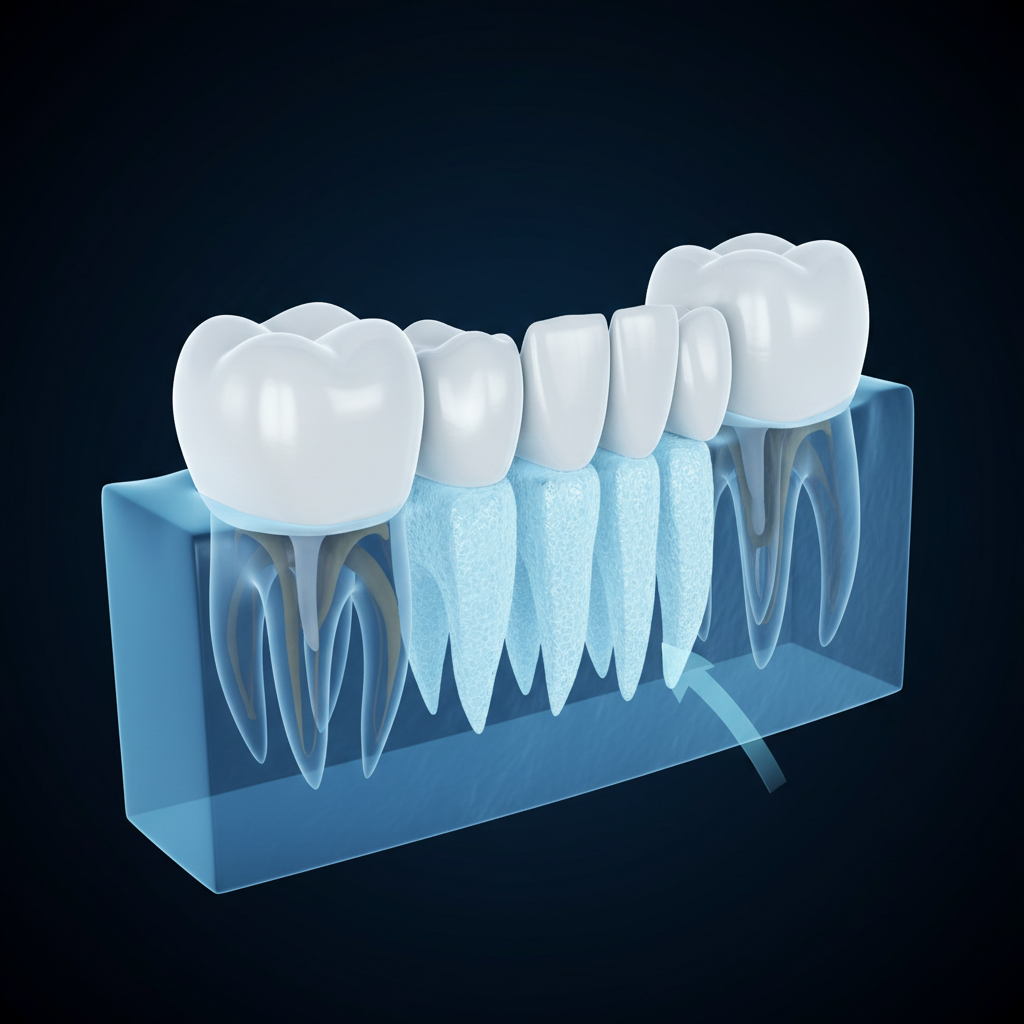
While a standard bridge rests on natural teeth, an implant-supported zirconia bridge is excellent at preventing bone loss by stimulating the jaw. When you lose a tooth, the bone in that area begins to shrink, but a zirconia implant can provide the necessary pressure to keep the bone healthy. This helps maintain your natural facial structure and prevents the “hollow” look often associated with missing teeth.
How does it support facial structure?
By filling the gap and providing structural support, the bridge prevents your remaining teeth from shifting and your cheeks from sagging. Maintaining the proper alignment of your bite keeps your facial muscles balanced and your smile looking youthful.
- Prevents teeth from tilting.
- Maintains lip and cheek volume.
- Supports a healthy bite height.
- Preserves jawbone density.
Think about it: your dental health is directly linked to how your face ages over time.
Does it protect jaw density?
If you choose an implant-supported version, the bridge protects jaw density by acting like a natural tooth root to stimulate bone growth. This is a significant advantage over traditional dentures, which can actually accelerate bone loss due to constant rubbing on the gums.
- Mimics natural tooth roots.
- Stops the bone resorption process.
- Ensures a stable foundation.
- Improves long-term jaw health.
But here is the catch: you must have enough healthy bone to start with, or a bone graft may be necessary before the procedure.
Key Takeaway: Investing in a high-quality bridge helps preserve your jawbone and keeps your facial appearance looking vibrant for years.
| Aspect | Zirconia Bridge Impact | Long-Term Result | |
|---|---|---|---|
| Jawbone | Stimulates and Preserves | Prevents a “sunken” facial look | |
| Tooth Position | Locks Teeth in Place | Prevents bite misalignment and gaps | |
| Muscle Support | Provides full structure | Keeps the smile looking youthful |
Protecting your bone health is a vital part of restorative dentistry that ensures your results are functional and beautiful.
How is a zirconia bridge manufactured?
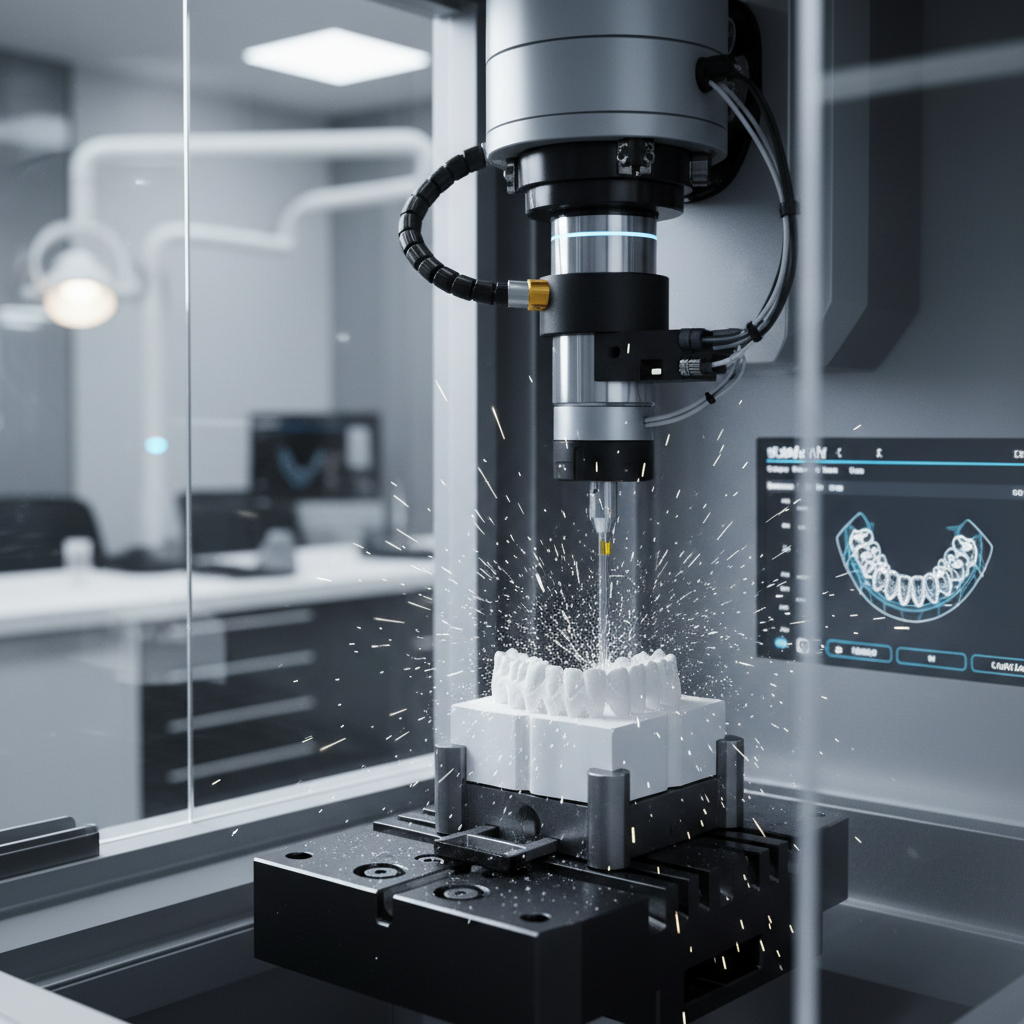
A zirconia bridge is manufactured using high-tech robotic milling machines that carve the teeth from a solid, high-purity block of zirconia. This process is incredibly precise, ensuring that the bridge matches the digital design created by your dentist down to the smallest detail. After the bridge is carved, it undergoes a high-heat “sintering” process to reach its final strength and hardness.
What is the CAD/CAM process?
The CAD/CAM process involves using a computer to design the bridge and a milling machine to cut the physical restoration with robotic accuracy. This eliminates the minor errors that can occur with traditional hand-layered porcelain techniques used in older labs.
- Digital 3D tooth mapping.
- Robotic precision milling.
- High-speed material shaping.
- Zero human error in carving.
Look at it this way: your bridge is being manufactured with the same level of technology used for precision aerospace parts.
How is final strength achieved?
The final strength is achieved during a sintering process where the bridge is placed in a specialized furnace at temperatures exceeding 1,500 degrees Celsius. This extreme heat causes the material to shrink slightly and become incredibly dense and hard, giving it its “ceramic steel” properties.
- High-temperature sintering.
- Material densification.
- Permanent color bonding.
- Final hand-finished polishing.
But here is the catch: the lab must account for the material’s shrinkage perfectly during the design phase to ensure a flawless fit.
Key Takeaway: Modern manufacturing techniques guarantee that every bridge is structurally perfect and custom-fitted to your mouth.
| Manufacturing Stage | Technology Used | Benefit | |
|---|---|---|---|
| Carving | 5-Axis Milling Machine | Incredible detail and accuracy | |
| Hardening | Sintering Furnace | Maximum durability and strength | |
| Finishing | Micro-abrasive Polishing | Smooth surface that is kind to gums |
This industrial approach to dental care ensures that your bridge is free from the internal flaws that can cause older materials to break.
Why choose a zirconia bridge over porcelain?
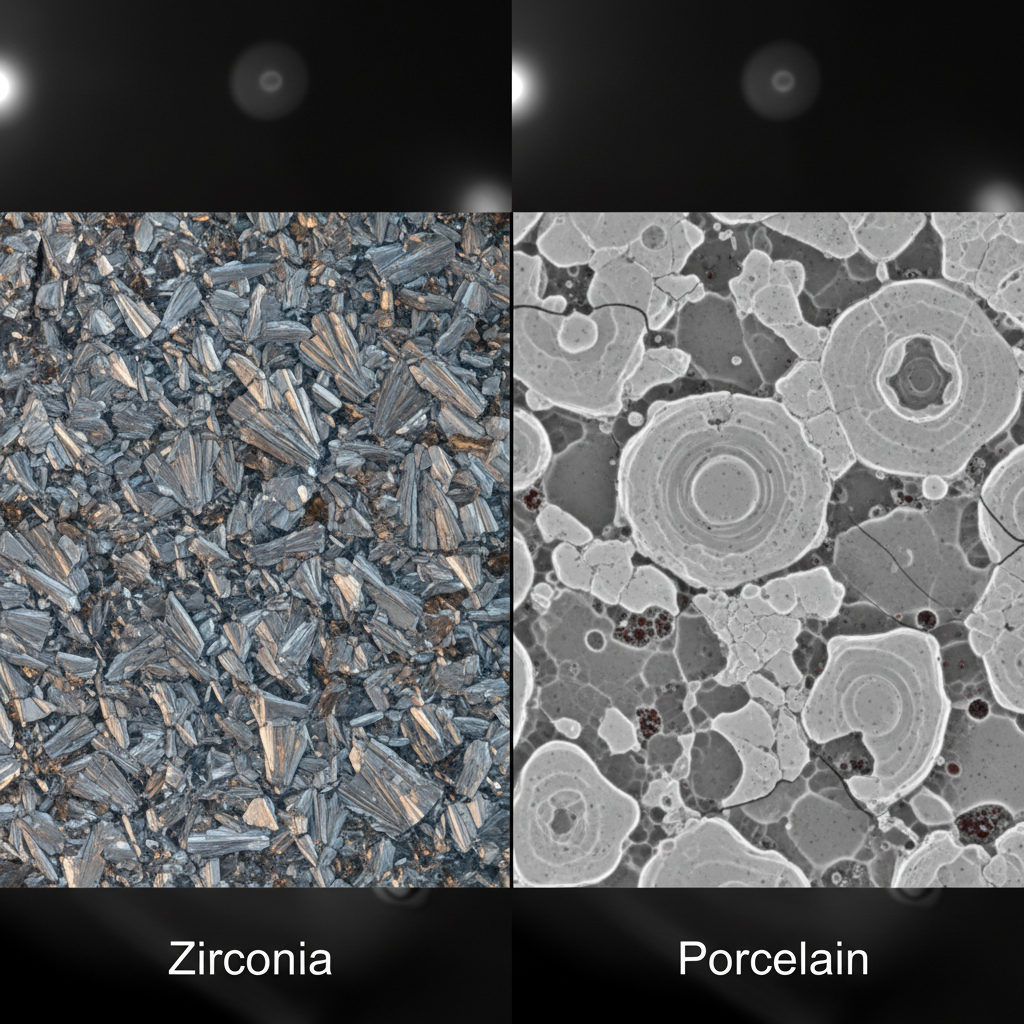
Choosing a zirconia bridge over porcelain is the better choice because it offers nearly ten times the strength and far superior resistance to chipping. Traditional porcelain is beautiful but brittle, often requiring a metal backing that can ruin the natural look of your smile. This modern material provides the best of both worlds: the strength of metal and the beauty of glass.
Which one looks more natural?
Zirconia often looks more natural because it does not require an opaque metal layer to provide strength, allowing light to pass through the tooth just like real enamel. This gives the bridge a sense of “depth” that makes it virtually indistinguishable from the teeth next to it.
- Life-like light translucency.
- No “dead” or flat appearance.
- Perfect for front-tooth smiles.
- Seamless gum integration.
Believe it or not, many people find that their new bridge actually looks better than the natural teeth they lost.
Is it better for back teeth?
Yes, it is much better for back teeth because it can handle the massive pressure of grinding and chewing without any risk of the porcelain layer shearing off. Many patients with porcelain-fused-to-metal bridges find that the porcelain chips away over time, leaving ugly metal exposed.
- No porcelain “shearing” issues.
- Single-material construction.
- Withstands heavy molar loads.
- Reduced wear on opposing teeth.
But here is the catch: because it is so hard, it must be perfectly aligned to ensure your bite feels natural and comfortable.
Key Takeaway: The combination of elite strength and superior aesthetics makes this material the clear winner for any dental restoration.
| Comparison Factor | Zirconia | Traditional Porcelain | |
|---|---|---|---|
| Fracture Risk | Extremely Low | Moderate to High | |
| Aesthetics | Superior (Metal-Free) | Good (May show metal) | |
| Longevity | 15+ Years | 5 – 10 Years |
The evidence clearly supports a shift toward this modern material for anyone seeking a long-term, high-quality dental solution.
Restoring Your Smile with Confidence
Choosing the right dental restoration is a life-changing decision that impacts how you speak, eat, and feel about yourself every day. We have explored how the incredible strength and natural beauty of zirconia solve the common problems of missing teeth and failing dental work. By choosing a material that is biocompatible, digitally precise, and incredibly durable, you are investing in a future where you never have to hide your smile again.
Global Industry is dedicated to the research and development of high-purity zirconium materials that push the boundaries of what is possible in modern dentistry and industrial manufacturing. Our vision is to provide the world with the building blocks for healthier, more beautiful lives through uncompromising material science and innovation. If you are ready to take the next step toward a permanent, stunning smile that lasts a lifetime, contact us today to learn more about our advanced solutions.
Frequently Asked Questions
Q1: Can I eat normally after getting the bridge?Yes, you can eat almost all of your favorite foods once the bridge is permanently bonded and you have adjusted to the feel. However, you should initially avoid extremely hard or sticky items to protect the supporting teeth as you get used to the restoration.
Q2: What’s the best way to prevent the bridge from chipping?The best way is to avoid using your teeth as tools and to wear a nightguard if you have a habit of grinding your teeth while you sleep. While the material is incredibly tough, protecting it from unnatural forces will ensure it stays in perfect condition for decades.
Q3: How do I know if I’m a good candidate for this restoration?You are a good candidate if you have healthy teeth on either side of a gap or enough bone density to support dental implants. Your dentist will perform a full examination to ensure your gums and supporting structures are strong enough for the procedure.
Q4: Can I get a bridge if I have metal allergies?Yes, you can safely get this restoration because it is completely metal-free and made from a biocompatible ceramic material. It is the preferred choice for patients who experience sensitivity or allergic reactions to traditional dental alloys.
Q5: What’s the best way to keep the bridge clean?The best way is to combine regular brushing with the daily use of a water flosser or floss threaders to clean underneath the false tooth. Maintaining the health of the gums around the bridge is the most important factor in its long-term success.