Losing permanent teeth creates significant functional challenges and often leads toward bone resorption or shifting dental alignments over long periods. This dental gap diminishes your chewing efficiency and frequently causes social anxiety during professional interactions because a missing tooth impacts facial symmetry. Fortunately, the zirconia bridge offers a sophisticated answer through advanced ceramic engineering that replaces traditional metal bases with a biocompatible alternative. This material ensures structural integrity while maintaining the aesthetic translucency required for a lifelike appearance so you can regain full oral function and secure your facial structure against premature aging.
Why select a zirconia bridge for dental restoration?

Selecting a zirconia bridge for dental restoration ensures you receive a metal-free prosthesis that combines extreme durability with unmatched aesthetic appeal while utilizing yttria-stabilized tetragonal zirconia polycrystal to withstand immense biting forces present in posterior regions of your mouth. Believe it or not, these advanced ceramic engineering solutions do not leave dark gray lines at the gumline as tissue recedes over time unlike traditional porcelain-fused-to-metal options which often degrade your professional appearance.
Manufacturing these components involves CAD/CAM milling from a solid block which ensures every bridge fits your unique dental anatomy with micron-level precision so that structural integrity remains high across the entire span of the restoration. Key Takeaway: This technological approach eliminates many human errors found in traditional wax-up methods but still allows for custom color matching that blends perfectly with adjacent natural teeth for a seamless smile.
| Restoration Feature | Impact on Oral Health | |
|---|---|---|
| Metal-Free Composition | Eliminates galvanic shock and metallic taste | |
| High Flexural Strength | Resists fractures under heavy mastication | |
| Solid Block Milling | Provides superior structural integrity | |
| Custom Color Matching | Blends perfectly with adjacent natural teeth |
How does a zirconia bridge restore your natural bite?
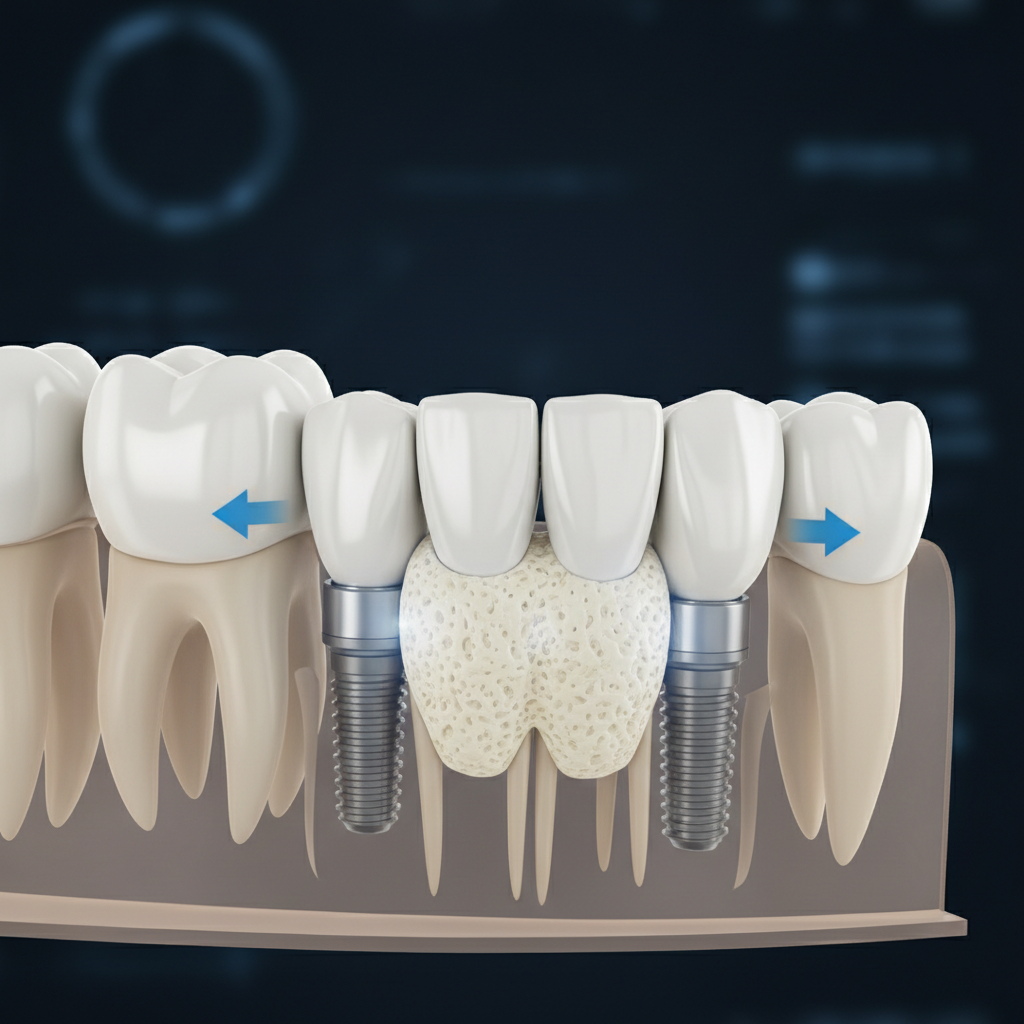
Restoring your bite involves creating a bridge that supports proper occlusion and prevents neighboring teeth from tilting into empty spaces where a tooth was lost. Ready for the good part? This stabilization protects your jaw joint from the stresses of an uneven bite and distributes chewing pressure evenly across supporting abutment teeth or implants to maintain healthy bone density through mechanical stimulation.
A well-designed bridge acts as a permanent structural replacement that restores both the mechanics and the appearance of your natural dentition while increasing chewing efficiency by ninety percent compared to living with missing teeth. Key Takeaway: These restorations prevent supra-eruption of opposing teeth in the dental arch and support soft tissues to prevent a sunken facial appearance that often follows significant tooth loss.
| Function Metric | Impact on Bite | |
|---|---|---|
| Chewing Efficiency | Increases by over 90% | |
| Occlusal Stability | Prevents tooth migration | |
| Facial Support | Prevents sunken appearance | |
| Bone Stimulation | Maintains jawbone density |
Is a zirconia bridge stronger than metal frameworks?
Scientific testing confirms that zirconium oxide can withstand pressures exceeding 1,000 MPa which far surpasses requirements for human chewing and effectively exceeds the flexural strength of traditional metal frameworks. What’s the real story? This ceramic material possesses a unique property known as transformation toughening where crystals expand to “squeeze” micro-cracks shut so your bridge remains intact even under extreme stress.
Traditional porcelain is brittle and often chips when you bite down on hard foods like nuts or ice but zirconia remains resilient because it is a monolithic structure carved from a single dense ingot. Key Takeaway: The sheer physical strength of these materials makes them the most reliable choice for long-span bridges and high-stress posterior restorations that must last for several decades without failure.
| Material Comparison | Flexural Strength (MPa) | Aesthetic Quality | |
|---|---|---|---|
| Zirconia Bridge | 1000 – 1200+ | Excellent | |
| Lithium Disilicate | 360 – 400 | Superior | |
| Metal-Ceramic (PFM) | 400 – 500 | Moderate | |
| Composite Resin | 100 – 150 | Poor |
How does a zirconia bridge mimic natural tooth enamel?
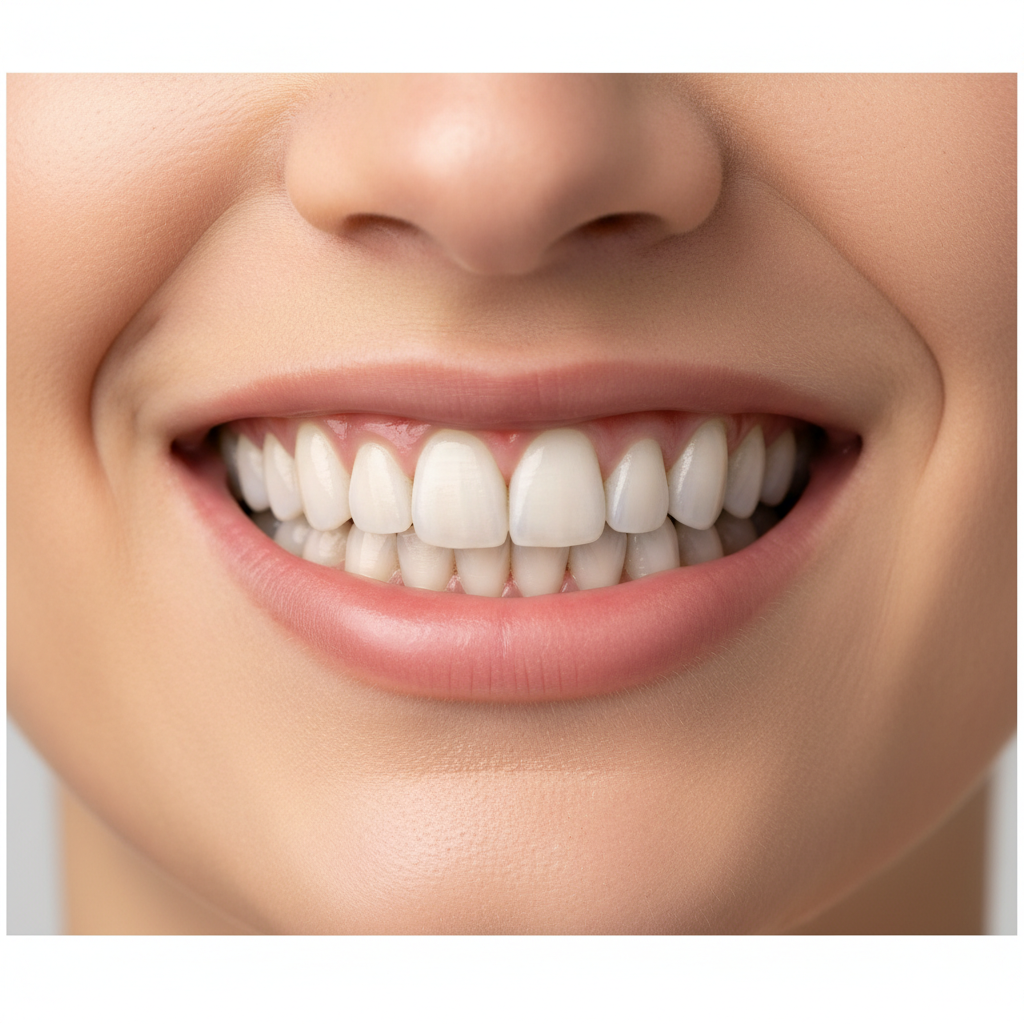
Utilizing a translucent ceramic structure allows light to penetrate and reflect just like real teeth because natural teeth have a complex internal depth that older dental materials could never replicate. Here’s the deal, manufacturers often use refined high-purity oxides to produce the aesthetic results needed for front teeth where high-translucency blocks capture the “halo” effect found on biting edges of natural incisors.
Modern zirconia blocks are “multi-layered” meaning they have built-in gradients of color and translucency which allows for a seamless transition that looks identical to surrounding natural teeth. Key Takeaway: Advanced optical properties allow these restorations to disappear into your smile and remain indistinguishable from your organic teeth even under UV lighting or bright sunlight.
| Visual Property | Zirconia Benefit | Result | |
|---|---|---|---|
| Translucency | High light transmission | Realistic depth and vitality | |
| Fluorescence | Glows under UV light | Looks natural in any light | |
| Opacity Control | Hides dark underlying teeth | Uniform color across the bridge | |
| Color Stability | Non-porous surface | No yellowing over years of use |
Can a zirconia bridge eliminate thermal sensitivity?

Acting as a powerful insulator between hot or cold substances and your nerves effectively eliminates thermal sensitivity because ceramic has a very low thermal conductivity rate. You might be wondering, how does this material provide such comfort compared to metal-based restorations which are excellent conductors of heat and cold and often lead to a sharp “zing” when you consume coffee or ice cream?
Zirconia stays dimensionally stable regardless of what you eat or drink and prevents bacteria from entering micro-gaps that form when metals expand or contract significantly due to temperature changes. Key Takeaway: Superior thermal insulation properties ensure that your bridge feels more comfortable and integrated than any alternative while protecting sensitive nerves from extreme temperature shocks.
| Temperature Response | Metal Framework | Zirconia Bridge | |
|---|---|---|---|
| Heat Transfer | Rapid and intense | Slow and muted | |
| Cold Sensitivity | High risk of discomfort | Minimal to no risk | |
| Marginal Integrity | Fluctuates with temp | Remains highly stable | |
| Patient Comfort | Variable | Consistently high |
Does a zirconia bridge preserve your healthy teeth?
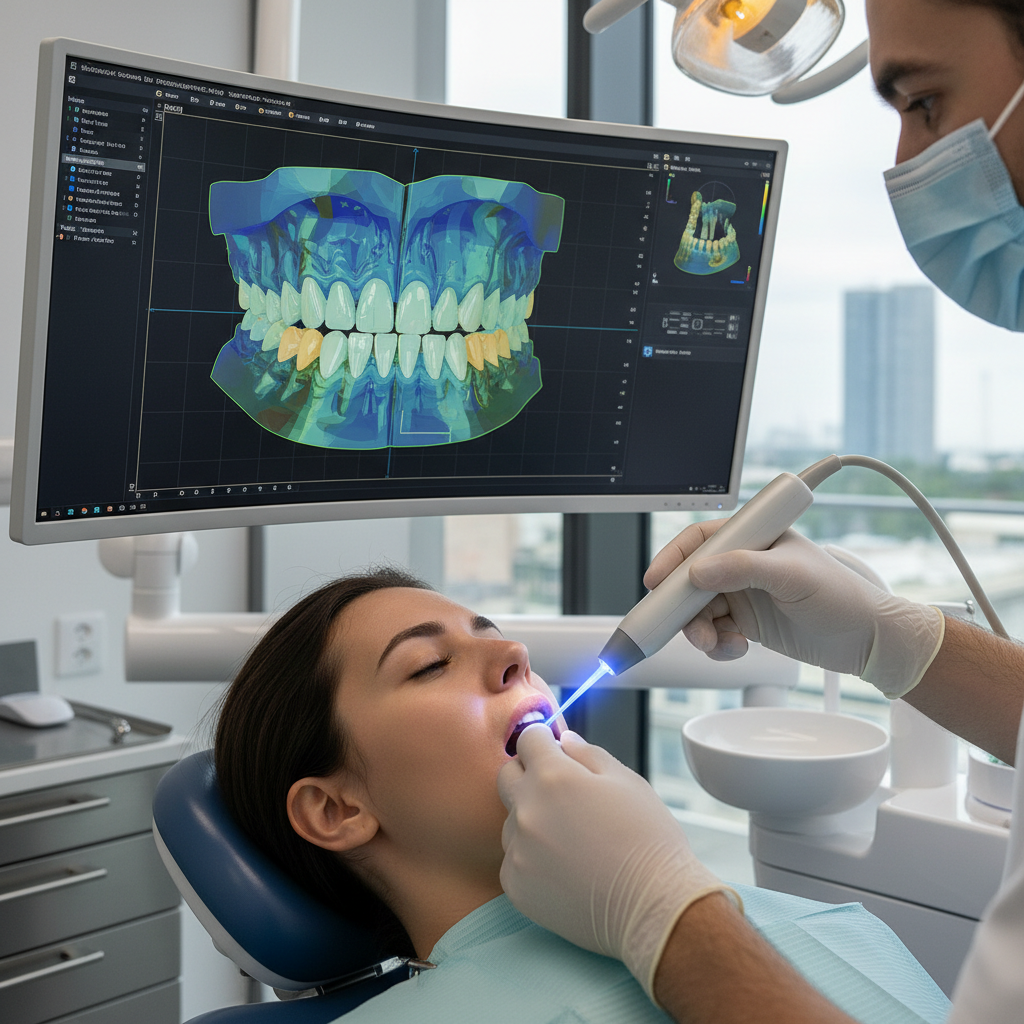
Requiring significantly less removal of natural tooth structure compared to traditional ceramic-metal options helps Global Industry solutions preserve your healthy teeth for the long term. The best part? Keeping more of your natural enamel keeps the foundation of your smile much stronger for the future because the material is inherently strong even in thin layers of only half a millimeter.
Minimally invasive dentistry is the modern standard and zirconia is the primary tool that makes this possible for bridge patients while reducing the risk of needing a root canal on supports. Key Takeaway: The ability to use thinner sections of high-strength ceramic allows for a more conservative approach that keeps your natural teeth healthy and structurally sound.
| Preparation Type | Tooth Structure Removed | Structural Impact | |
|---|---|---|---|
| Traditional PFM | 1.5mm – 2.0mm | High weakening of tooth | |
| Zirconia Bridge | 0.6mm – 1.0mm | Minimal weakening of tooth | |
| Full Gold Bridge | 1.0mm – 1.5mm | Moderate impact | |
| Composite Bridge | Variable | Low but lacks durability |
Is a zirconia bridge safe for patients with allergies?
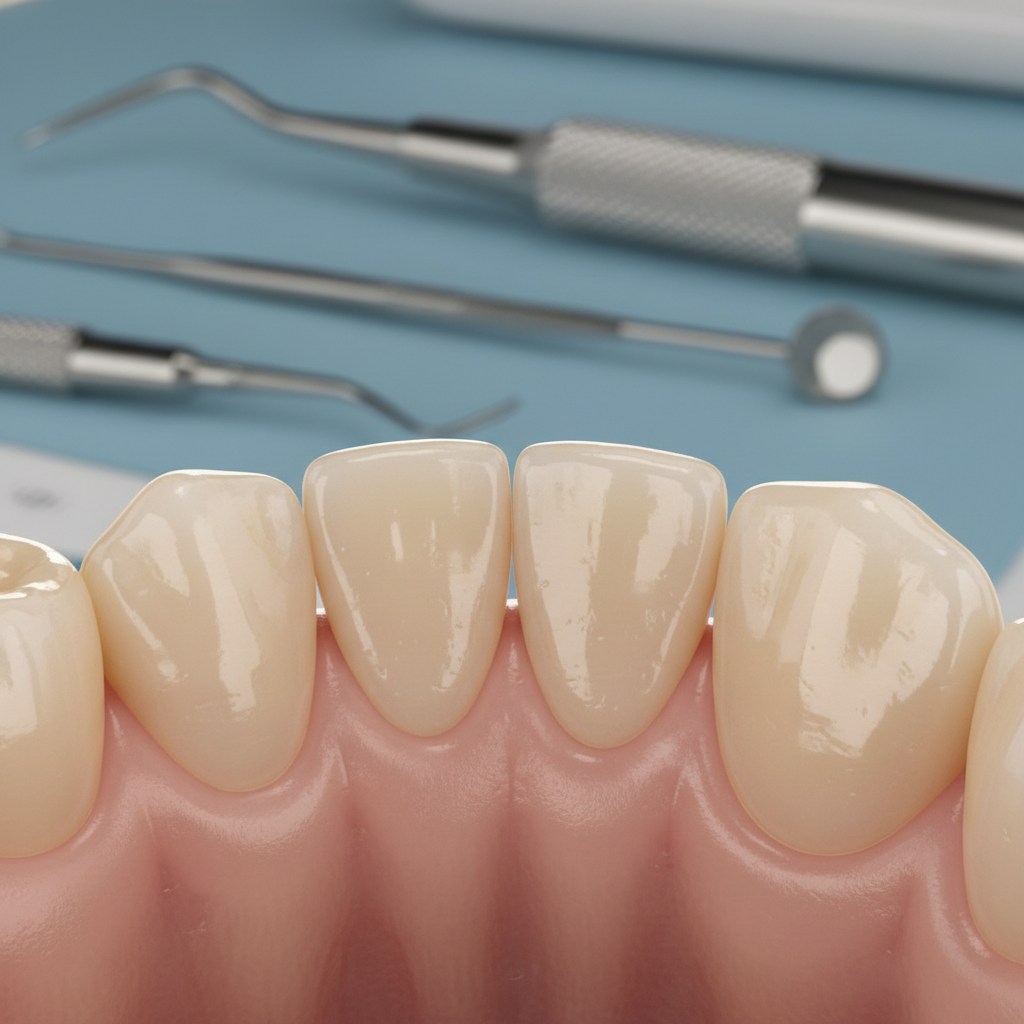
Being exceptionally safe for patients with allergies stems from its 100% biocompatible nature that does not contain any nickel or chrome which often cause red and swollen gums. Ready for the good part? Zirconia is chemically inert and it does not react with the salts or acids in your saliva which means it will never corrode or release metallic ions into your bloodstream.
Your body treats this ceramic as a friendly material and it allows the gum tissue to grow right up against it for a healthy and tight seal. Key Takeaway: Biocompatibility ensures that your bridge remains a harmonious part of your oral ecosystem without triggering inflammatory responses or causing “black gum” tattooing from metal oxidation.
| Safety Factor | Traditional Metal | Zirconia Ceramic | |
|---|---|---|---|
| Allergy Risk | Moderate (Nickel/Chrome) | Non-existent | |
| Gum Interaction | Possible inflammation | Highly favorable | |
| Chemical Stability | May oxidize over time | Completely inert | |
| Biocompatibility | Variable | Superior |
How does a zirconia bridge resist coffee and wine stains?
Resisting coffee and wine stains is possible through an incredibly dense non-porous surface that prevents pigments from penetrating the material even after years of daily exposure to dark liquids. Here’s the deal, zirconia is fired at extremely high temperatures in a sintering furnace until it reaches maximum density which closes all pores and creates a surface that is virtually impenetrable by organic dyes.
Whether you enjoy a morning espresso or a nightly glass of Cabernet your bridge will maintain its original brightness for years and provide a permanent “whitened” look for the missing teeth. Key Takeaway: The high-density surface of these ceramics ensures your smile remains vibrant and free from the discoloration that plagues older dental materials like composite resin.
| Staining Agent | Effect on Zirconia | Effect on Resin | |
|---|---|---|---|
| Black Coffee | No penetration | Significant yellowing | |
| Red Wine | No penetration | Surface darkening | |
| Tobacco / Nicotine | Easily cleaned away | Permanent staining | |
| Turmeric / Spices | No effect | Deep discoloration |
Can a zirconia bridge simplify your daily oral hygiene?

Simplifying your daily oral hygiene occurs because the smooth and streamlined surface is much easier to keep clean than complex metal-based structures that harbor tiny crevices for food. The best part? Bacteria need a rough surface to latch onto and begin building a biofilm but polished zirconia is smoother than natural enamel on a microscopic level which reduces plaque attachment.
A simple water flosser or a floss threader allows you to clean under the fake tooth with minimal effort to protect supporting teeth from decay and gum disease. Key Takeaway: A bridge that is easy to clean is a bridge that lasts and zirconia makes high-level hygiene accessible for every patient regardless of their previous dental history.
| Hygiene Aspect | Traditional Bridge | Zirconia Bridge | |
|---|---|---|---|
| Plaque Attachment | High on metal joints | Very low on smooth ceramic | |
| Flossing Ease | Difficult at margins | Smooth and predictable | |
| Tissue Health | Gums may bleed easily | Gums stay pink and firm | |
| Surface Cleaning | May require special polish | Standard brushing is enough |
Why is a zirconia bridge a smart long-term investment?

Extreme durability and resistance to wear mean you are unlikely to pay for a replacement for fifteen to twenty years which makes this a smart long-term investment for your oral health. This is where it gets interesting, as you avoid secondary costs associated with bridge failure such as emergency visits or treating decay under a loose crown that was made from inferior materials.
This material does not wear down the opposing natural teeth and protects the overall health of your entire mouth by maintaining a stable bite and preventing bone loss. Key Takeaway: Investing in premium materials today prevents expensive and painful dental complications tomorrow making this advanced ceramic the most cost-effective choice for modern professionals.
| Investment Factor | Zirconia Bridge | Lower-Cost Option | |
|---|---|---|---|
| Average Lifespan | 15 – 25 Years | 7 – 10 Years | |
| Repair Frequency | Extremely rare | Moderate | |
| Total Cost (20 Yrs) | Lower | Much higher | |
| Value Retention | Excellent | Poor |
Choosing a zirconia bridge represents a pivotal decision for your long-term oral health and professional appearance because these restorations provide the ideal balance of structural strength and lifelike aesthetics. By opting for a metal-free ceramic you secure your smile against the common failures of older dental technologies and enhance your quality of life through a functional bite. You should prioritize quality over initial cost to ensure a result that lasts a lifetime and maintains your confidence in every social or professional setting. Please contact us today to begin your journey toward a more confident and durable smile with the world’s most advanced restorative materials.
Frequently Asked Questions
Q1: Can I eat hard foods like apples or nuts with a zirconia bridge?Yes, you can eat hard foods because zirconia is one of the strongest dental materials available and it is specifically designed to handle high-pressure forces.
Q2: What is the best way to clean under the bridge to prevent gum disease?The best way is using a water flosser or a dedicated floss threader once a day to remove food particles and plaque from the space beneath.
Q3: Can I get a zirconia bridge if I have a history of grinding my teeth?Absolutely, zirconia is the preferred material for patients who grind because its extreme durability makes it much less likely to chip or crack compared to porcelain.
Q4: What is the average timeframe for the entire zirconia bridge procedure?Typically the process takes two appointments over about two weeks for preparation and digital scanning followed by the final permanent placement of your custom bridge.
Q5: Can I whiten my zirconia bridge if it starts to look dull?No, a bridge does not respond to whitening gels because its color is permanent but a professional cleaning at your dentist will restore its original shine.