In the world of manufacturing, precision is key. Companies face growing challenges in achieving high-quality steel castings while battling wear, durability, and cost issues. Coatings made from zircon are emerging as a promising solution to these challenges. They offer improved performance and longevity, significantly enhancing the efficiency of your production process. This article delves into the importance of zircon-based coatings for precision steel casting, comparing them with traditional options, and exploring their key benefits and applications. You can trust that the information will guide your decision-making, ensuring your operations thrive in today’s competitive environment.
Why Are Zircon Materials Important for Precision Steel Casting?
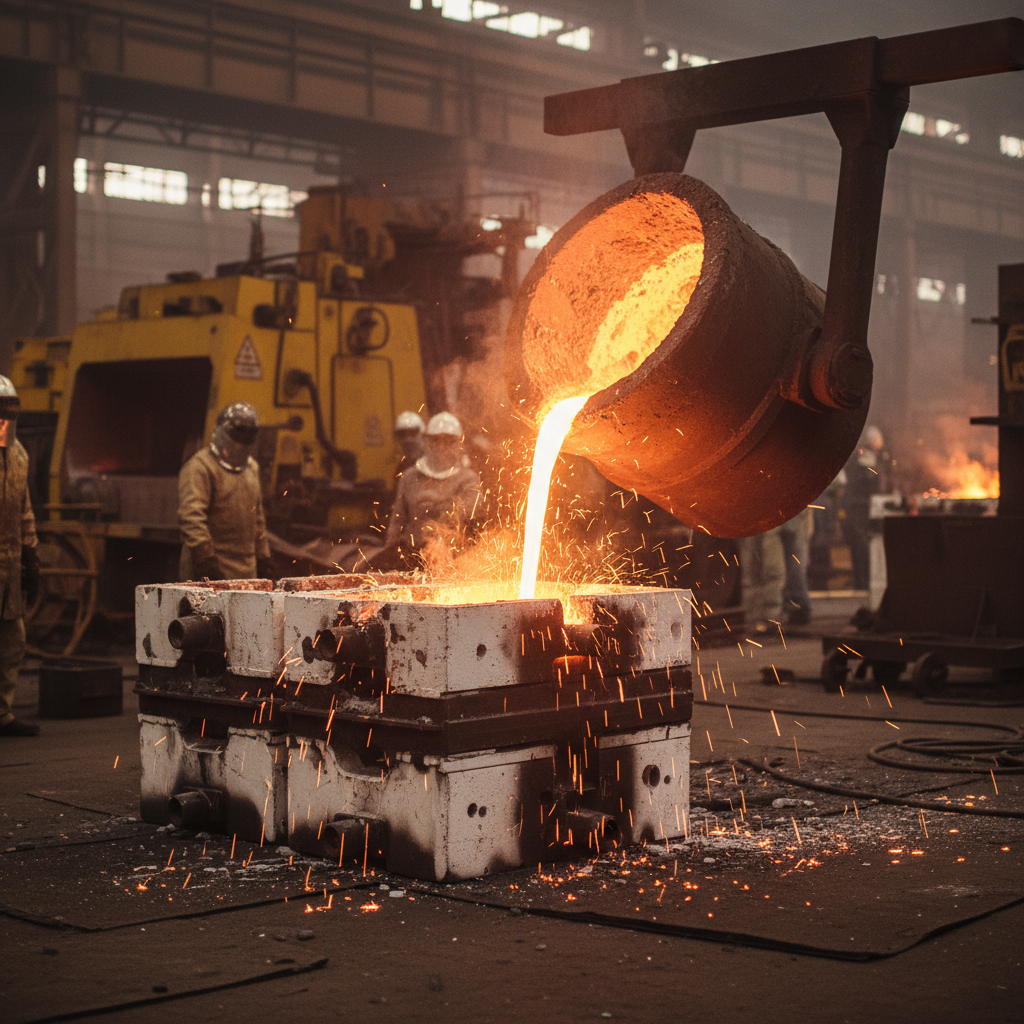
Coatings based on zircon play a crucial role in precision steel casting. They create a protective barrier that enhances the durability of the castings. This is particularly important for industries that require high precision and performance. Such coatings provide thermal protection, helping to maintain the integrity of the steel during high-temperature processes.
Their effectiveness is attributed to unique properties. Zircon is inherently resistant to oxidation and thermal degradation. These qualities make it an excellent choice in environments where extreme heat and corrosion are issues. For example, components such as turbine blades are exposed to high temperatures during operation. Using zircon-based coatings on these parts increases their lifespan and operational reliability.
Moreover, these coatings reduce the occurrence of oxidation, which can weaken steel over time. The coatings improve the finished product’s surface quality, resulting in fewer defects and lower rejection rates. Industries relying on precision casting, such as aerospace, automotive, and heavy machinery, benefit significantly from these advantages.
The implementation of such coatings is gaining recognition as an industry standard. Alongside improving durability, they help companies meet stringent quality requirements while reducing production costs. With the growing demand for high-performance materials, understanding the importance of these advanced coatings becomes essential for decision-makers.
To summarize, zircon-based coatings are essential in the realm of precision steel casting. They not only help improve the overall quality of the product but also contribute to cost savings and operational efficiency.
Take a moment to think: Isn’t it time to incorporate these innovative solutions into your processes?
How Do Zircon Coatings Compare to Other Options?
When weighing different coating options, zircon-based solutions often stand out due to their unique properties. Traditional coatings, such as chrome and nickel, have long been used in steel casting. However, they may not offer the same level of performance as those made from zircon.
One of the main differences lies in wear resistance. Zircon coatings provide superior hardness, making them more effective in high-abrasion environments. While chrome options can wear down quickly, zircon’s more durable profile ensures a longer lifespan.
This durability is not merely anecdotal; numerous studies have illustrated zircon-coated components outperforming traditional options in controlled tests. For instance, a key study showed that materials treated with zircon maintained performance levels after extreme wear tests while alternatives showed significant degradation.
Here’s a quick comparison for clarity:
| Property | Zircon Coatings | Traditional Coatings |
|---|---|---|
| Wear Resistance | High | Moderate |
| Thermal Protection | Excellent | Good |
| Surface Finish | Superior | Good |
| Longevity | Long-lasting | Shorter lifespan |
| Cost | Competitive | Often higher |
This table demonstrates that coatings made from zircon provide both immediate and long-term advantages. The initial investment might be similar, but the costs associated with maintenance and replacements can be significantly lower over time.
Beyond wear resistance, thermal stability is another area where zircon solutions shine. The ability to withstand high temperatures without degrading is crucial in manufacturing processes involving molten metal. Other coatings may struggle under these conditions, leading to faster wear and potential failures.
In essence, choosing zircon-based coatings can lead to better performance, longer-lasting results, and fewer operational headaches.
What Are the Key Applications of Zircon Coatings?
Zircon coatings find application across various industries. They are particularly valuable in sectors that demand precision and durability, such as aerospace and automotive manufacturing. For example, turbine components in aerospace require coatings that can withstand extreme temperatures and stresses. Zircon applications provide the necessary performance extensions to these components.
The automotive sector also benefits significantly from their characteristics. Parts that are subject to high wear, such as engine components, can see improved performance and lifespan. This leads directly to better fuel efficiency and lower emissions, which are crucial in today’s environmentally conscious market.
Additionally, the oil and gas industry benefits from these coatings. Drill bits and tools that face harsh conditions can perform better when treated with zircon applications. They reduce wear and enhance operational efficiency, ultimately leading to cost savings.
Another key area of application is in manufacturing. Industries using molds and dies for forming processes can greatly benefit from zircon-based coatings. Enhanced surface quality leads to fewer defects in the final product, which is crucial for maintaining industry standards.
To illustrate their effectiveness further, consider these case studies:
- A leading aerospace company invested in zircon coatings for its turbine blades, resulting in a 30% increase in lifespan, translating to decreased maintenance costs.
- An automotive manufacturer reported a 25% reduction in defects after switching to zircon-coated molds, leading to a smoother production process and increased customer satisfaction.
These examples underscore the broad utility of zircon-based coatings in enhancing performance across applications. They demonstrate the clear advantages that come from investing in this technology.
How Are Zircon Coatings Applied in Steel Casting?
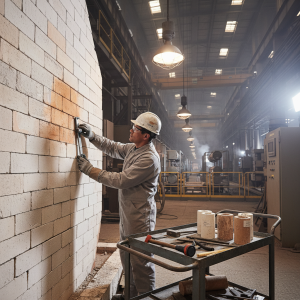
The application of zircon coatings involves several precise steps to ensure optimal performance. First, the surface to be coated must be thoroughly cleaned. Any contaminants can affect how the treatment adheres. A clean surface allows for better bonding, leading to improved performance.
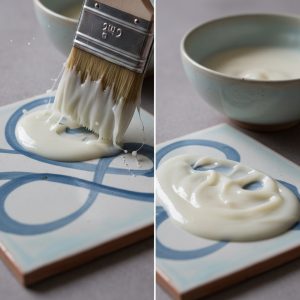
After cleaning, a primer is often applied to enhance bond strength. This step may be overlooked, but it can significantly impact the overall effectiveness of the coating. Once the primer has dried, the coating itself is applied using thermal spray techniques. This method involves melting zircon powder and spraying it onto the surface. The intense heat and rapid cooling create a strong bond, resulting in a durable layer.
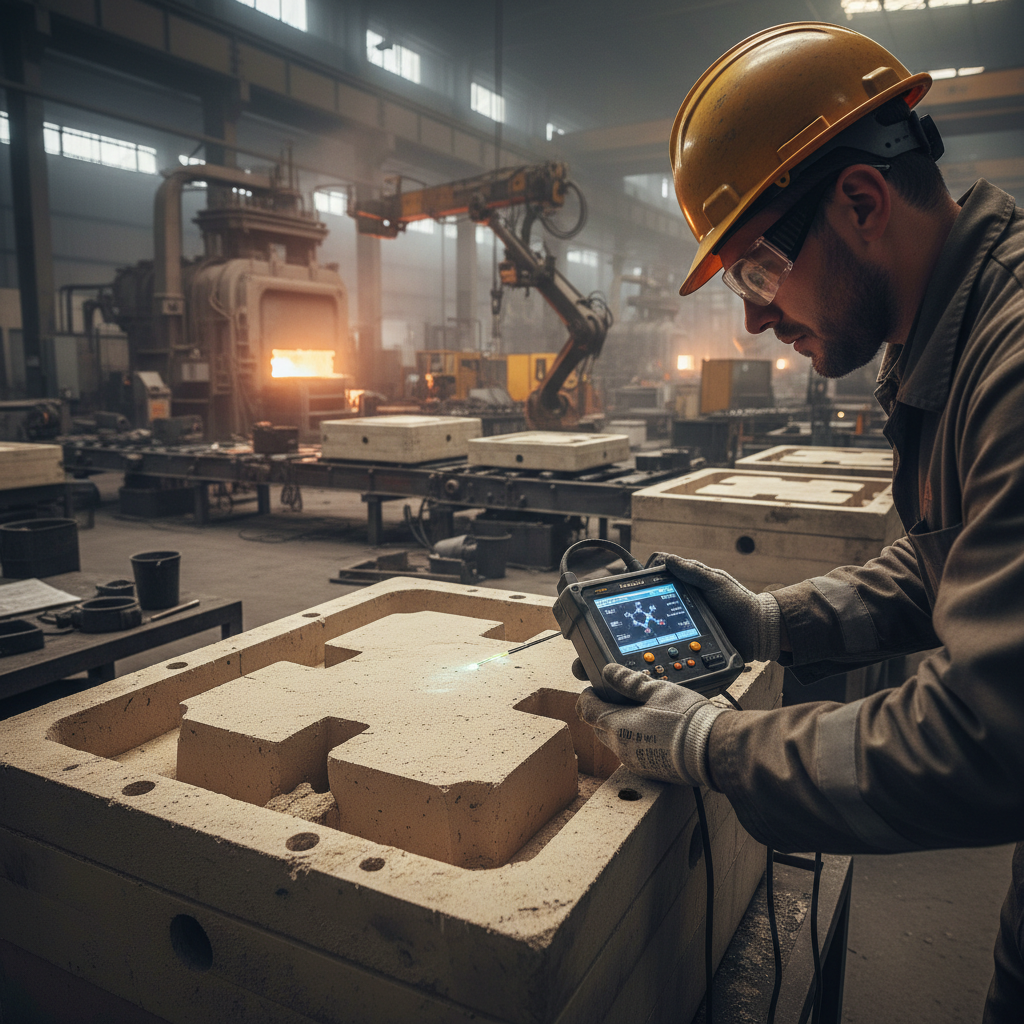
Best practices during the application process include monitoring spray conditions. Maintaining consistent standards ensures that each coating layer achieves the desired thickness and quality. Quality control measures should be in place to inspect the coating application before moving on to the next steps in production.
Here’s a brief overview of the coating process:
| Step | Description |
|---|---|
| Surface Preparation | Clean and prepare the surface |
| Primer Application | Apply primer to enhance bonding |
| Thermal Spraying | Use thermal spray to apply zircon coating |
| Quality Control | Inspect coats for consistency |
Following these steps ensures that the zircon coatings achieve their intended benefits, enhancing the overall quality of the steel castings.
In addition to these processes, training personnel in effective application techniques is vital. Proper education on the significance of each step can lead to improvements not only in the quality of coatings but also in operational efficiency.
What Challenges Do Zircon Coatings Overcome?
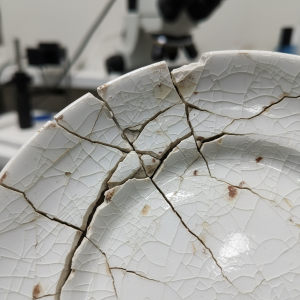
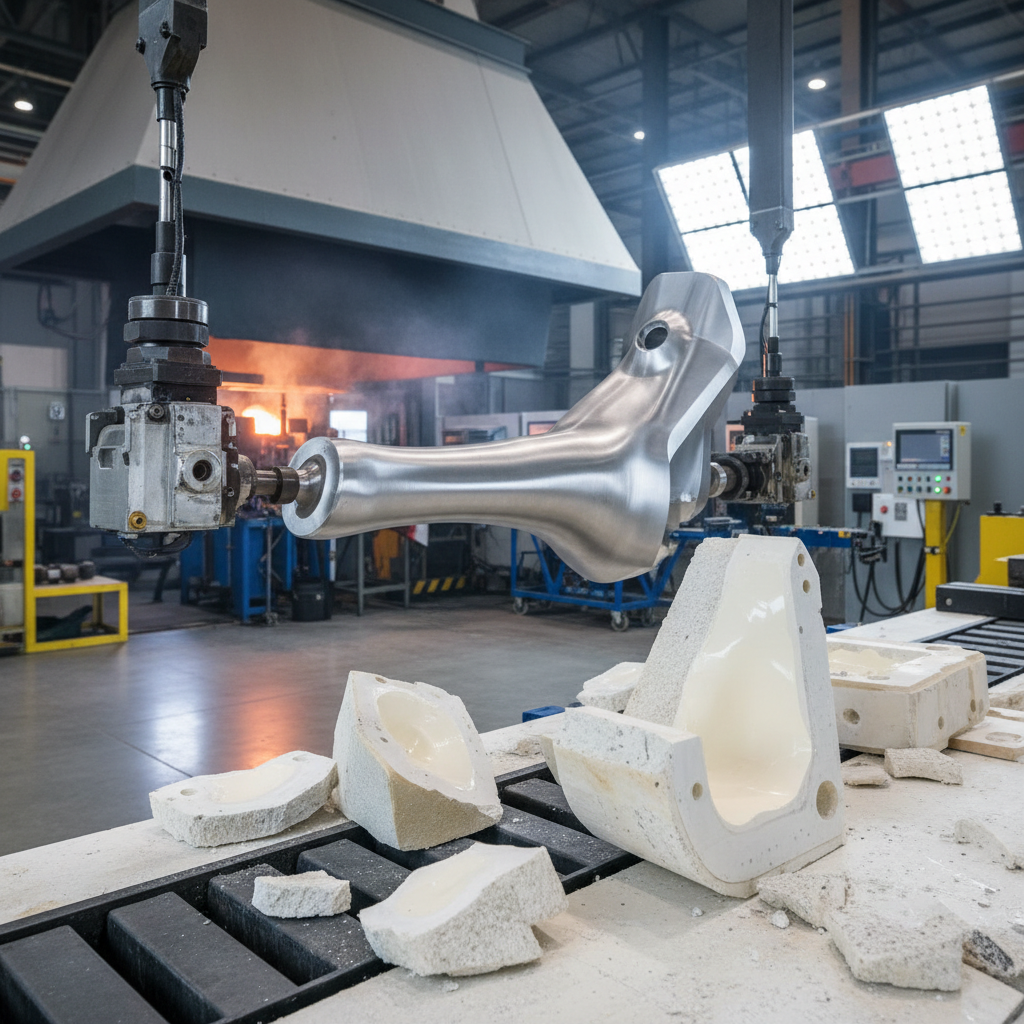
In steel casting, several challenges arise that can impede production efficiency. Common issues include wear and tear on components, oxidation, and inconsistencies in surface quality. Zircon-based coatings are specifically designed to address these challenges.
Wear and tear are significant concerns for manufacturers. Zircon’s high hardness and wear resistance mean that components can last longer, reducing the need for frequent replacements. This directly impacts operational costs. Reduced downtime for parts maintenance allows companies to focus on production rather than repairs.
Oxidation often leads to corrosion, which can weaken the structural integrity of the castings. The thermal protection offered by zircon coatings helps mitigate this issue, ensuring that components remain robust even under extreme conditions. Manufacturers in various industries can rest assured that their equipment will stand up to the rigors of daily operations.
Moreover, inconsistencies in surface quality can lead to defects in finished products. With zircon-based coatings, manufacturers can achieve a superior surface finish, minimizing defects and enhancing overall product quality.
Just think about it: How much smoother would your operations be if you could tackle these challenges head-on?
Companies that have adopted zircon coatings frequently report measurable improvements in their production lines. By confronting these challenges with an effective solution, manufacturers can create a more efficient workflow that translates into higher overall productivity.
How Do Zircon Coatings Enhance Durability?
Durability is a critical factor in the longevity of manufacturing components. Coatings made from zircon significantly enhance this aspect, providing several benefits. Their high wear resistance means that components can endure more stress without degrading. For certain products, this means the difference between consistent performance and frequent replacements.
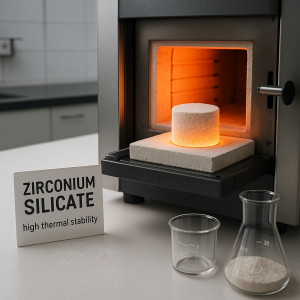
Zircon materials also exhibit exceptional thermal stability. This characteristic allows components to maintain performance levels, even in extreme conditions. For instance, metal parts exposed to high temperatures do not lose their structural integrity as quickly when coated with zircon coatings. Such benefits are pivotal in industries that operate under extreme environments.
Testing procedures further validate these benefits. Rigorous testing for wear and thermal tolerance demonstrates that materials coated with zircon significantly outperform traditional coatings. This evidence helps manufacturers make informed decisions about which treatments to use.
Here’s how durability is quantified:
| Metric | Zircon Coatings | Traditional Coatings |
|---|---|---|
| Wear Resistance Score | 9/10 | 5/10 |
| Thermal Stability | Excellent | Good |
| Service Life | Longer | Shorter |
This table illustrates that zircon-based coatings can offer remarkable durability compared to alternatives. By relying on coatings that extend the lifespan of critical components, companies can achieve substantial savings and improved reliability in their operations.
Why Should Companies Choose Zircon Coatings?
The benefits of coatings made from zircon extend beyond performance improvements. They provide real value to companies looking to enhance their manufacturing processes. By investing in these coatings, companies can expect lower operational costs over time.
The long-term durability of zircon-coated components translates into savings on replacements and maintenance. This financial aspect is essential for decision-makers who must justify their investments. For instance, a manufacturer focused on reducing downtime should consider how zircon-based coatings can lessen the frequency with which parts require replacement.
Ultimately, the strategic advantages of choosing zircon coatings make them an appealing option for businesses focused on growth and operational efficiency. As industries continue to evolve, so will the materials that support them, making it essential to keep pace with these innovations.
In summary, the implementation of zircon coatings not only enhances immediate performance but also sets the stage for future advancements in manufacturing technology.
Conclusion
In summary, coatings made from zircon stand out as a superior solution for precision steel casting challenges. They offer significant advantages in wear resistance, durability, and overall performance. By adopting these coatings, companies can achieve remarkable improvements in both quality and efficiency.
One clear benefit is the long-term reduction in operational costs associated with lower maintenance and replacement rates. Embracing zircon coatings may not just be beneficial but essential for those looking to excel in the highly competitive realm of steel casting.
If you are interested in exploring how zircon products can enhance your manufacturing processes, please contact our team at Global Industry. As a leading provider of high-quality zircon materials, we are committed to helping companies like yours succeed. Reach out to us today to learn more about our products and how they can meet your specific needs in precision steel casting and beyond.
FAQ Section
Q1: What are zircon coatings?
Zircon coatings are advanced materials designed to enhance the durability and performance of precision steel castings through superior thermal and wear resistance.
Q2: How do zircon coatings improve steel casting performance?
These coatings provide enhanced protection against oxidation and wear, resulting in longer tool life and less downtime during production.
Q3: Are zircon coatings cost-effective?
Yes, while they may have a higher initial cost, their durability and reduced maintenance needs lead to long-term savings.
Q4: What industries benefit most from zircon coatings?
Industries such as aerospace, automotive, and manufacturing are leading sectors that benefit from the application of zircon coatings.
Q5: How are zircon coatings applied to steel?
Zircon coatings can be applied using various techniques, including thermal spray, which ensures even coverage and optimal bonding to the steel surface.